THE CANVAS COLLECTION

AI in the Modern World.

How artificial intelligence works, where it is already used, and what it is changing.

Browse every topic →

Showing 12 of 290 stories

AI in the Modern World · 4 min read

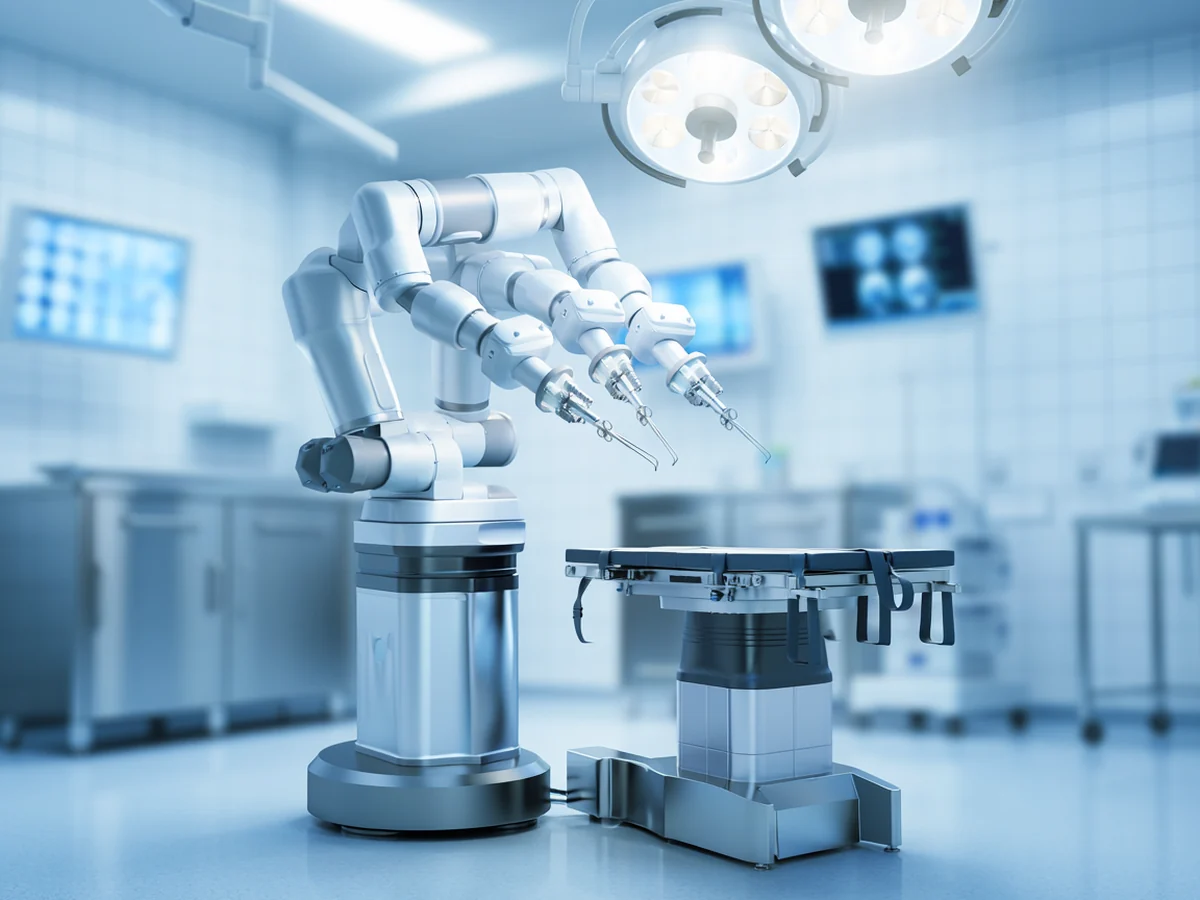
A robot trained on surgery videos removed a gallbladder without human help, in a lab test.

Surgical robots are already common in hospitals, but they are fully controlled by surgeons. In July 2025, Johns Hopkins University researchers reported that an AI-driven system called SRT-H performed a key phase of gallbladder removal on its own, on organs from pigs, with 100% success across eight trials. It learned by watching videos of surgeons, a step towards autonomous surgery.

Explore story

AI in the Modern World · 4 min read

Smartwatches can warn people about an irregular heartbeat that raises the risk of stroke.

Atrial fibrillation is a common irregular heart rhythm that often has no symptoms but greatly increases the risk of stroke. Modern smartwatches use sensors and algorithms to spot signs of it. In the Apple Heart Study, which enrolled more than 400,000 people, about 0.5% received a notification, and when checked against a heart monitor, most notifications proved accurate.

Explore story
AI in the Modern World · 4 min read

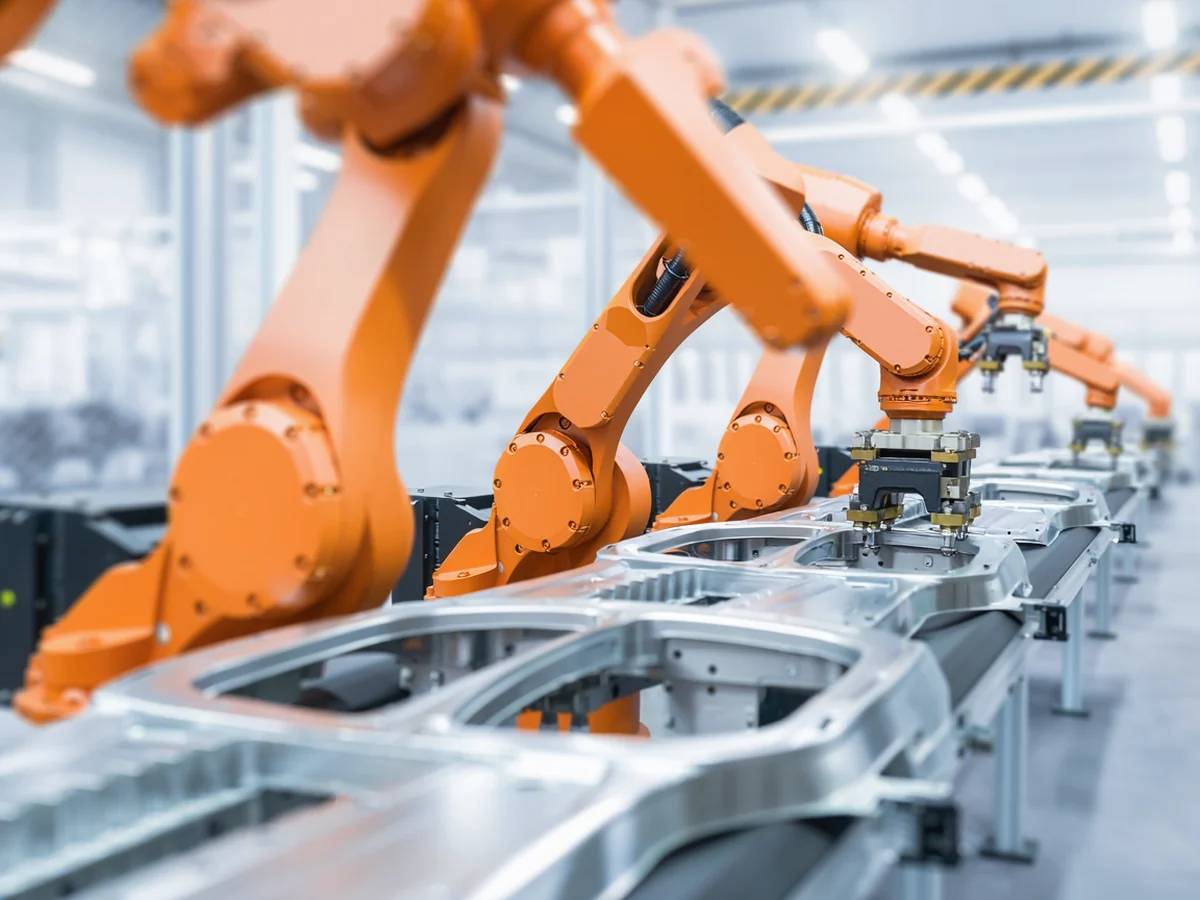
AI scans satellite images to find huge methane leaks, one of the fastest ways to slow global warming.

Methane is responsible for around a third of global warming since the Industrial Revolution, and much of it leaks from oil and gas sites, coal mines and landfills. The UN's Methane Alert and Response System uses AI to sift data from more than 30 satellites, processing 12 to 15 times more data than before and alerting governments and companies to major leaks.

Explore story

AI in the Modern World · 4 min read

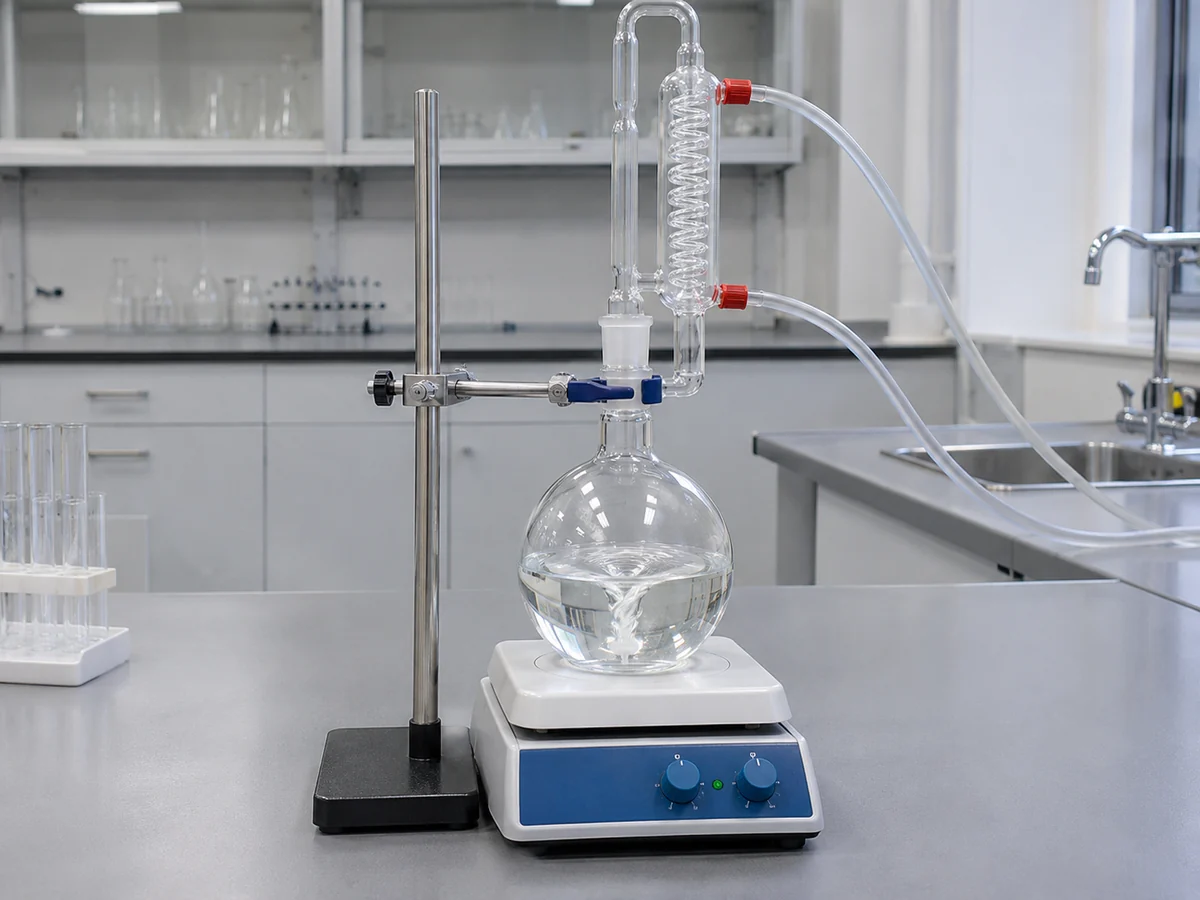
In the Gulf, AI is helping desalination plants make fresh water with less energy and fewer chemicals.

Gulf countries depend on desalination to turn seawater into drinking water, an energy-hungry process. AI is increasingly used to run plants more efficiently: predicting when membranes will clog, optimising chemical use and fine-tuning equipment. In Dubai, an AI controller at the Jebel Ali complex improved efficiency by 2.2% in its first phase, while Saudi researchers are using AI to detect membrane fouling early.

Explore story

AI in the Modern World · 4 min read

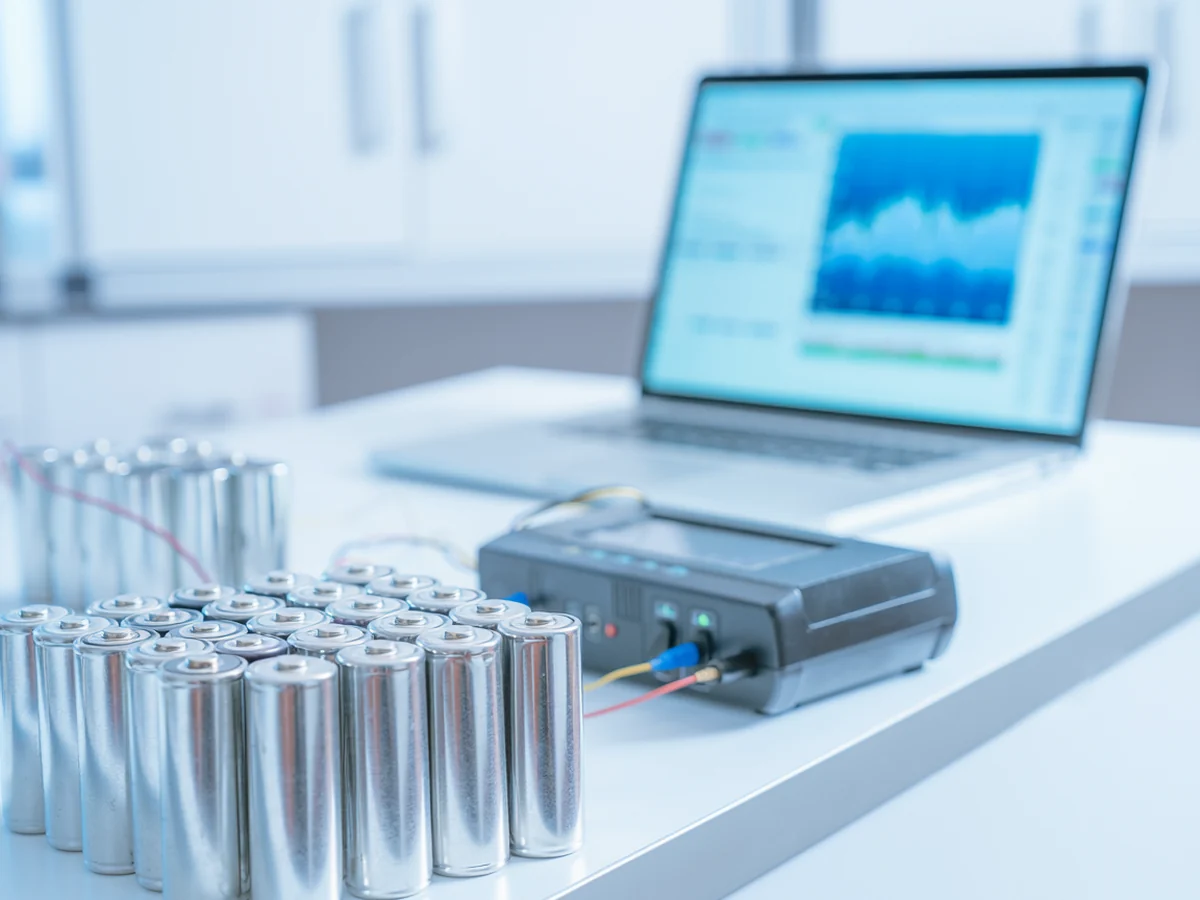
AI is speeding up the search for better batteries for electric cars and clean energy.

Batteries are central to electric vehicles and to storing solar and wind power, but developing better ones has traditionally taken years of experiments. AI can screen millions of possible materials, predict how long batteries will last and optimise charging. In 2024, Microsoft and a US national laboratory used AI to narrow 32 million candidate materials to a new electrolyte that could use less lithium.

Explore story
AI in the Modern World · 4 min read

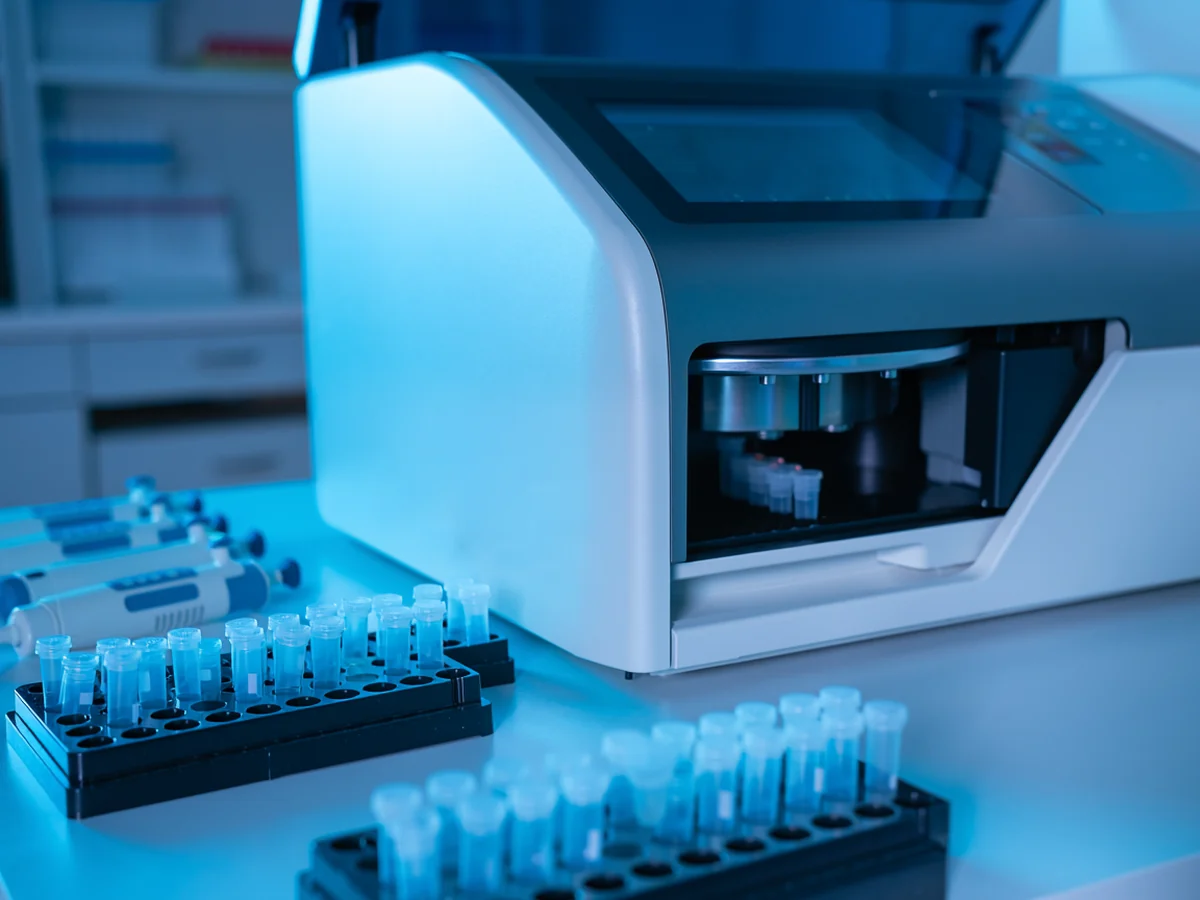
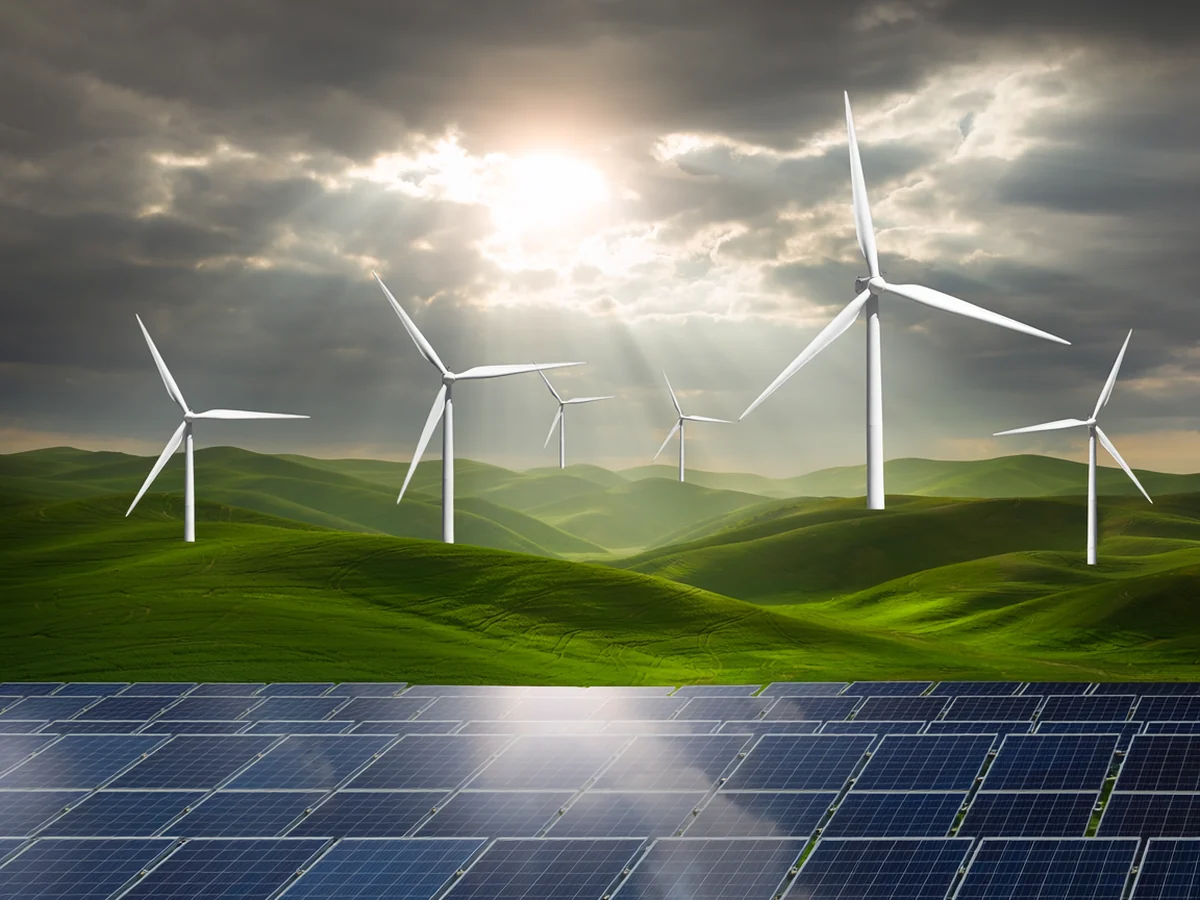
AI helps power grids predict how much electricity wind and solar farms will produce.

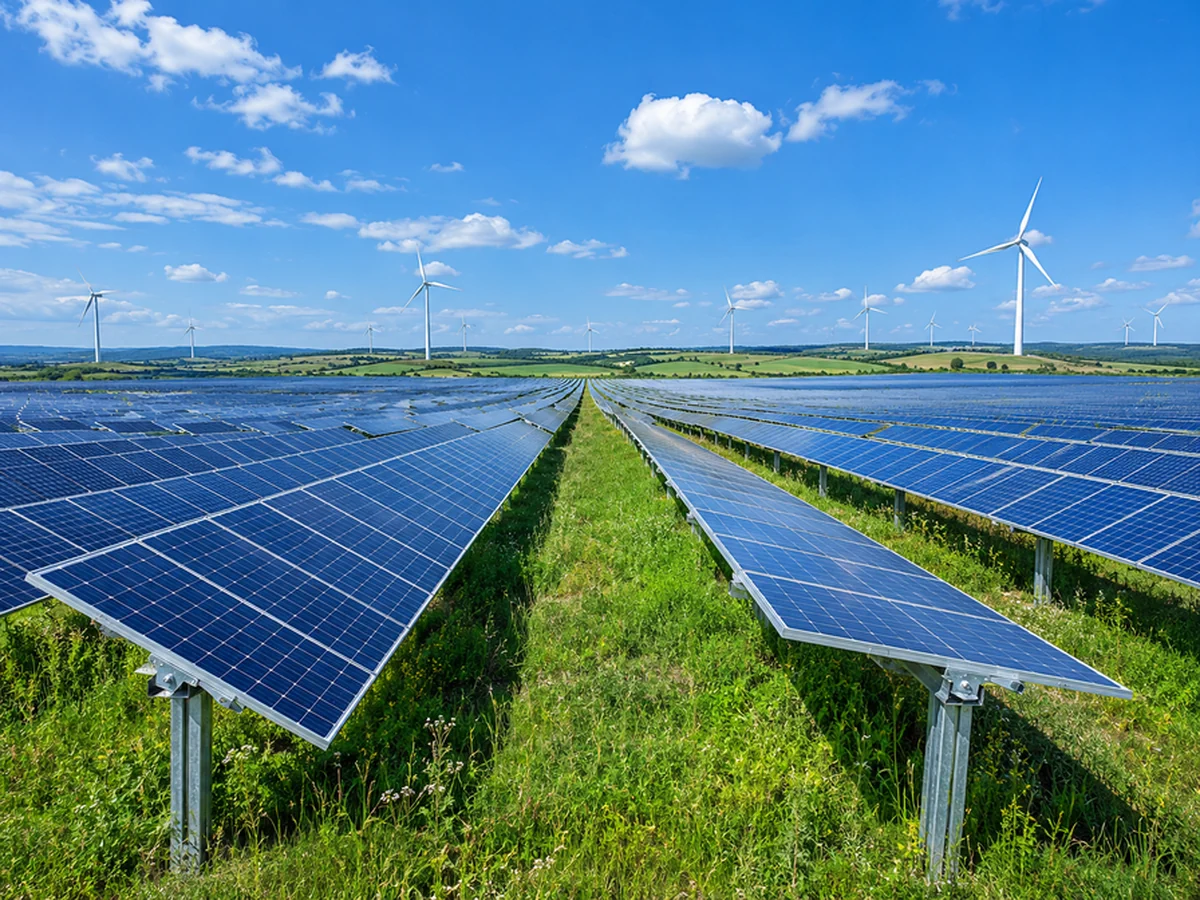
Wind and solar power depend on the weather, which makes them harder to plan for than coal or gas plants. Accurate forecasts help grid operators balance supply and demand, use less backup power and sell renewable electricity at better prices. In 2019, Google DeepMind reported that AI forecasts of wind farm output, made 36 hours ahead, raised the value of that wind power by about 20%.

Explore story

AI in the Modern World · 4 min read

In 2016, university students discovered that one of their teaching assistants was an AI.

At Georgia Tech in the United States, Professor Ashok Goel added a virtual teaching assistant called Jill Watson to his online AI course in 2016, built on IBM's Watson. It answered students' questions on the class forum, and most students did not realise Jill was not human. A new version built on ChatGPT later showed that AI assistants can help online learners.

Explore story

AI in the Modern World · 4 min read

In 2020, an algorithm lowered thousands of students' exam grades in England, and the government backed down.

When the COVID-19 pandemic cancelled exams in 2020, England's exam regulator used a statistical algorithm to adjust teachers' predicted grades. About 39% of A-level grades came out lower than teachers had predicted, with students at historically lower-performing schools hit hardest. After protests, the government scrapped the results. It became a famous lesson about algorithms making decisions about people.

Explore story

AI in the Modern World · 4 min read

In 2015, one AI learned to play dozens of classic video games using only the pixels on the screen.

DeepMind, a London start-up, built an AI called a Deep Q-Network that learned to play 49 classic Atari games by looking at the screen and trying to increase its score, with no instructions. Published in Nature in 2015, it matched or beat a professional human tester on many games and showed the power of combining deep learning with reinforcement learning. Google had bought DeepMind in 2014.

Explore story

AI in the Modern World · 4 min read

In 2017, an AI beat top professional poker players, mastering a game of bluffing and hidden cards.

Chess and Go show both players everything, but in poker, players hide their cards and bluff. In January 2017, an AI called Libratus, built at Carnegie Mellon University, defeated four top professionals over 120,000 hands of heads-up no-limit Texas hold'em. In 2019, its successor Pluribus beat professionals in six-player games, showing AI could handle uncertainty and deception.

Explore story
AI in the Modern World · 4 min read

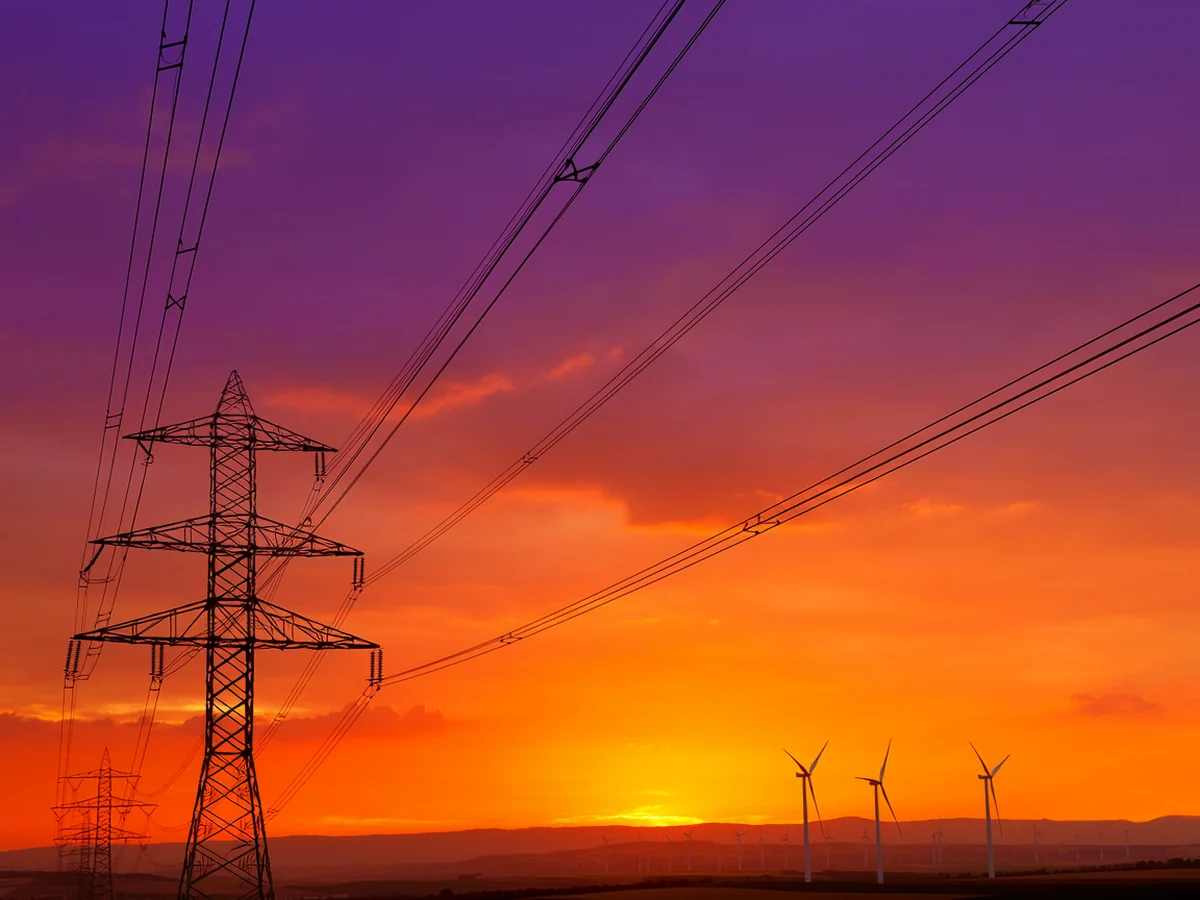
In 2019, AIs reached the top level in the complex strategy video games Dota 2 and StarCraft II.

Board games have simple rules, but modern video games such as Dota 2 and StarCraft II involve real-time decisions, hidden information, long-term strategy and, in Dota 2, teamwork. In April 2019, OpenAI Five beat the world champion Dota 2 team. In October 2019, DeepMind's AlphaStar reached Grandmaster level in StarCraft II, ranking above 99.8% of active players.

Explore story

AI in the Modern World · 4 min read

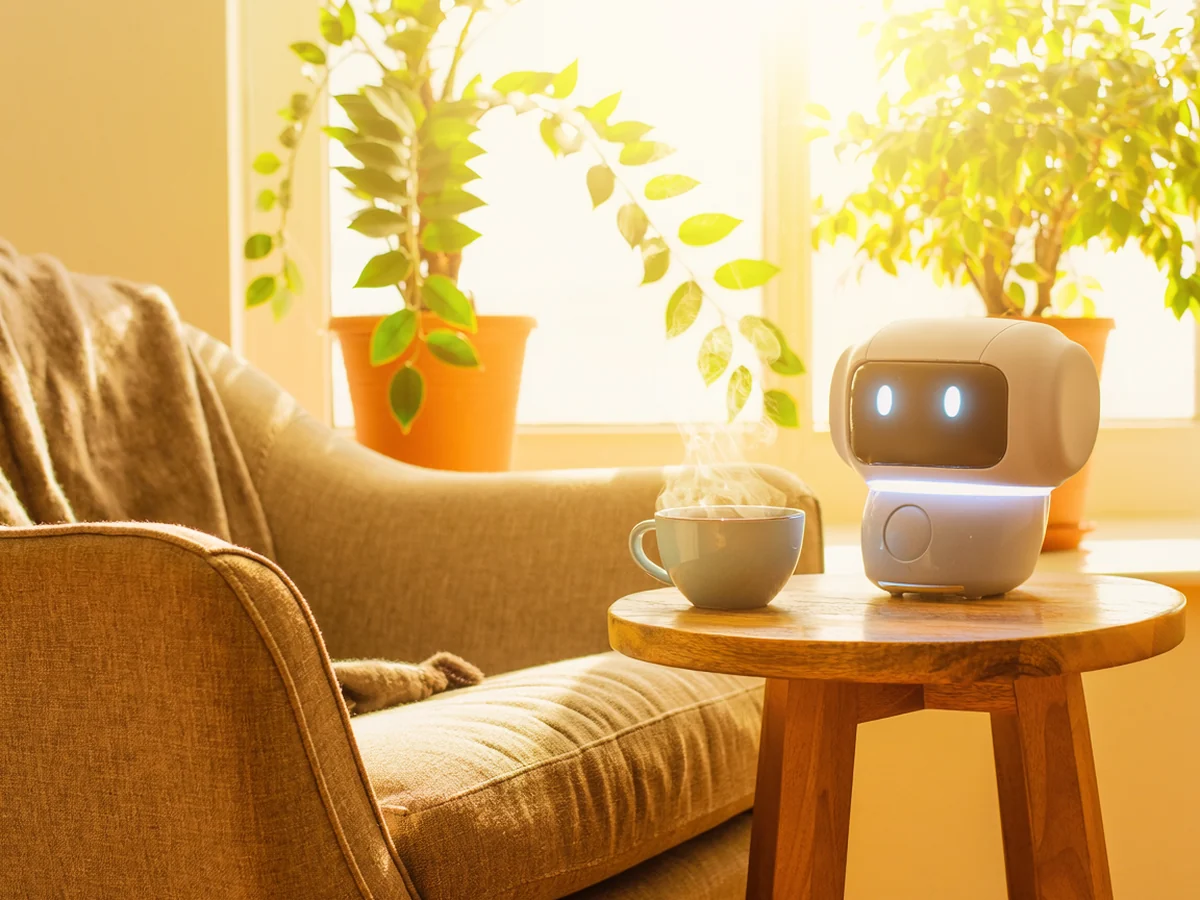
As populations age, AI companions, sensors and robots are being tested to support older people.

The number of older people is rising worldwide, while there are not enough carers. AI is being used to help older adults live independently: sensors detect falls, devices remind people to take medicines and companion robots offer conversation. New York State has given hundreds of older residents a tabletop AI companion called ElliQ, while Japan has long used robots in care homes.

Explore story
AI in the Modern World · 4 min read

AI cameras above kitchen bins are helping hotels and restaurants throw away far less food.

About a billion tonnes of food is wasted every year, while many people go hungry. In hotel and restaurant kitchens, AI systems from companies such as Winnow use cameras and scales to recognise what food is thrown away, helping chefs cook the right amounts. IKEA said it halved food waste in its restaurants, and Hilton cut plate waste during Ramadan in Gulf hotels.

Explore story

AI in the Modern World · 4 min read

The UAE has sequenced the DNA of more than 800,000 citizens, and AI is helping read it.

The Emirati Genome Programme, launched in Abu Dhabi in 2019, aims to sequence the genomes of about a million Emirati citizens, making it one of the world's largest national genomics efforts. With more than 800,000 genomes collected, researchers are using AI and advanced computing to find disease risks, guide prevention and develop precision medicine tailored to the Emirati population.

Explore story

AI in the Modern World · 4 min read

AI can now turn a sentence into a realistic video clip, complete with sound.

Video generators such as OpenAI's Sora, Google's Veo, Runway and Kuaishou's Kling create video clips from text descriptions or images. They learn from huge amounts of video how scenes look and move, and generate new footage by gradually turning random noise into frames. By 2025, some could add matching sound and speech. The results are impressive, but raise concerns about deepfakes and copyright.

Explore story

AI in the Modern World · 4 min read

Animation studios are experimenting with AI, and fans and artists are pushing back.

Animation is labour-intensive, with thousands of drawings needed for a few minutes of film. Studios are testing AI for backgrounds, colouring and in-between frames, especially in Japan, where anime studios face staff shortages. But experiments have sparked fierce criticism from artists, and a 2025 viral trend of AI images in the style of Studio Ghibli reignited debates about style, consent and creativity.

Explore story
AI in the Modern World · 4 min read

In 2023, thousands of experts called for a six-month pause on giant AI experiments.

Weeks after GPT-4 was released, the Future of Life Institute published an open letter asking AI labs to pause training systems more powerful than GPT-4 for at least six months. Signed by figures including Elon Musk, Steve Wozniak and Yoshua Bengio, it gathered more than 33,000 signatures. No pause happened, but the letter helped push AI risks onto the global agenda.

Explore story
AI in the Modern World · 4 min read

In 2019, OpenAI held back its GPT-2 model, saying it could be misused to write fake news.

In February 2019, OpenAI announced GPT-2, a language model that could write surprisingly convincing paragraphs of text. Worried it might be used to produce fake news, spam or propaganda, the company released only a small version at first, then larger versions over nine months. The decision sparked one of the first big debates about how to release powerful AI responsibly.

Explore story
AI in the Modern World · 4 min read

Netflix offered a million dollars to anyone who could improve its movie recommendations.

In 2006, Netflix challenged the world to make its film recommendation system 10% more accurate, offering a 1 million dollar prize and releasing 100 million anonymised movie ratings. Thousands of teams competed for three years. The contest advanced machine learning and popularised data science competitions, but also revealed that anonymised data can expose people's privacy.

Explore story

AI in the Modern World · 4 min read

In 1992, TD-Gammon taught itself backgammon and surprised the world's best players.

Long before AlphaGo, a program called TD-Gammon showed that a neural network could learn to play a complex game at expert level simply by playing against itself. Created by Gerald Tesauro at IBM around 1992, it reached a level close to the top human backgammon players and even discovered new strategies that experts adopted. Its approach inspired later breakthroughs in AI.

Explore story

AI in the Modern World · 4 min read

A prize-winning Japanese novel was partly written with ChatGPT, sparking debate.

In January 2024, Rie Qudan won the Akutagawa Prize, one of Japan's most respected literary awards, for a novel set in a future Tokyo where AI is everywhere. At the ceremony, she said about 5% of the text came directly from ChatGPT. A year earlier, a Chinese professor had won a science fiction award with a story largely generated by AI. The cases raised questions about authorship and creativity.

Explore story

AI in the Modern World · 4 min read

The first trial of a generative AI therapy chatbot found real benefits, with caveats.

Millions of people talk to chatbots about their feelings, but most general chatbots were not designed or tested for mental health care. In 2025, Dartmouth researchers published the first randomised trial of a generative AI therapy chatbot, Therabot, which reduced symptoms of depression by 51% on average over eight weeks. Experts stress it does not replace human care.

Explore story

AI in the Modern World · 4 min read

Klarna said its AI chatbot did the work of 700 agents, then started hiring humans again.

In February 2024, the Swedish payments company Klarna announced that its AI assistant was handling two-thirds of customer service chats, doing the work of about 700 full-time agents. A year later, its chief executive admitted that focusing too much on cost had lowered quality, and Klarna began recruiting human agents again. Its story is a lesson in using AI wisely.

Explore story
AI in the Modern World · 4 min read

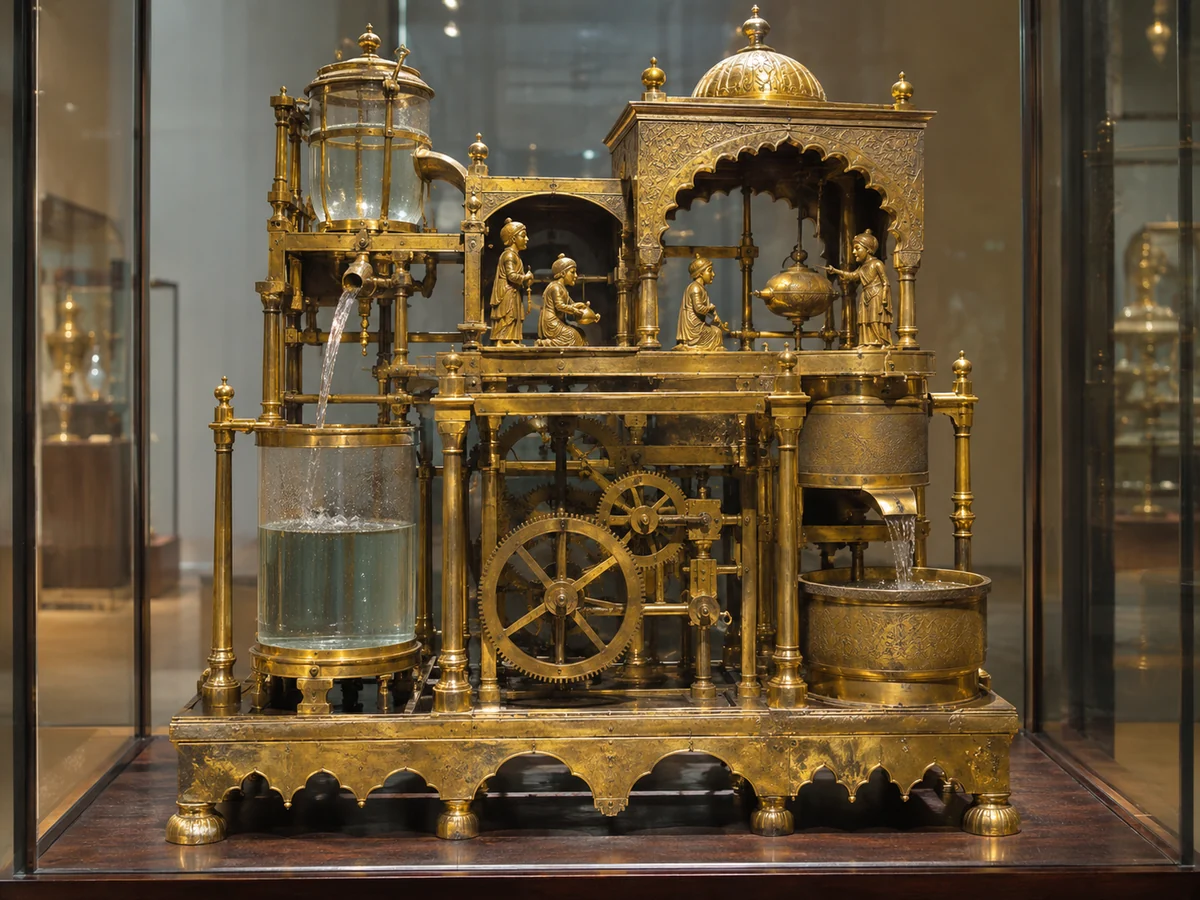
Eight hundred years ago, an engineer in Mesopotamia built programmable machines.

In 1206, the engineer Ismail al-Jazari completed The Book of Knowledge of Ingenious Mechanical Devices, describing about 50 machines, including water clocks, automatic servants and a band of mechanical musicians whose rhythms could be changed. Centuries earlier, the Banu Musa brothers in Baghdad described a programmable flute player. These inventors are pioneers of robotics and automation.

Explore story

AI in the Modern World · 4 min read

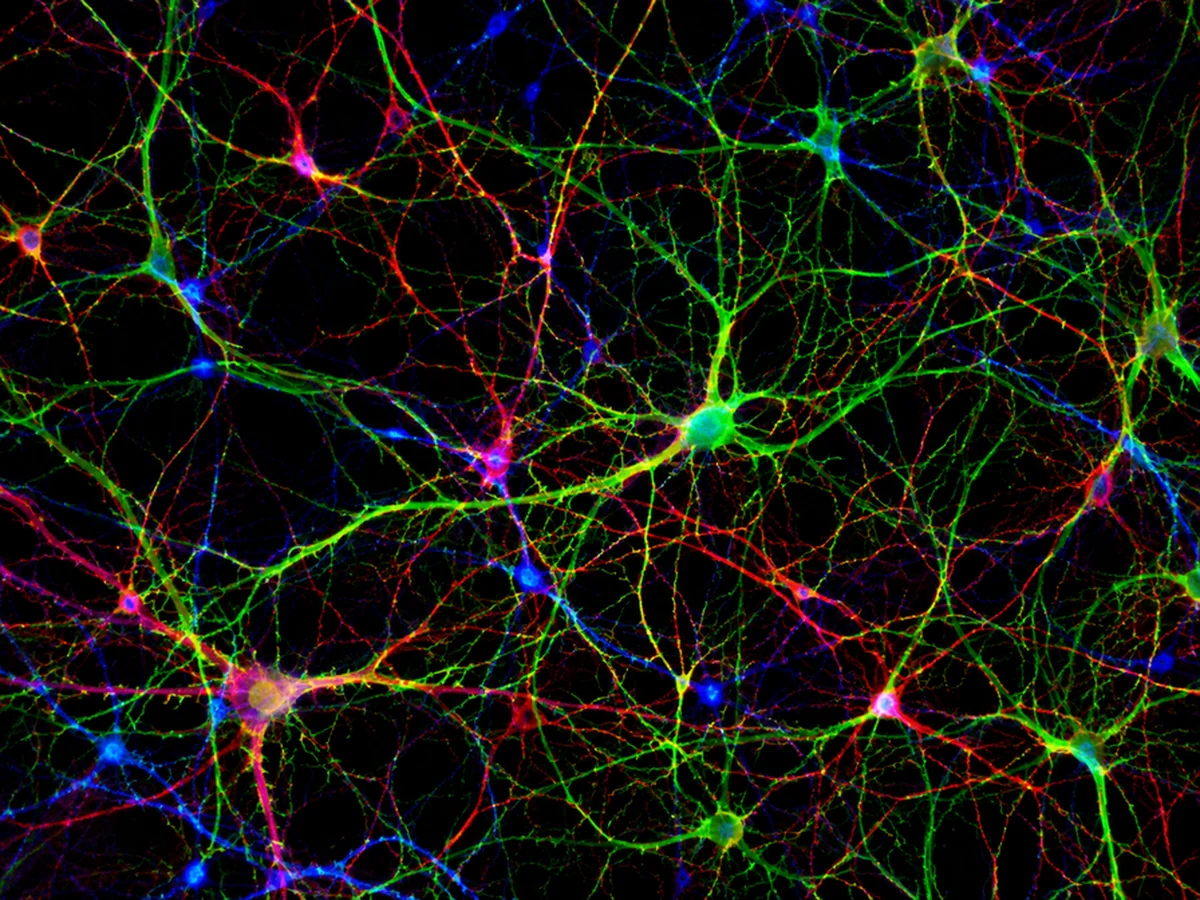
AI helped scientists map half a billion connections in a speck of mouse brain.

In April 2025, an international team called MICrONS published the most detailed wiring diagram of a mammalian brain yet: a cubic millimetre of mouse visual cortex, about the size of a grain of sand, containing more than 200,000 cells and about 523 million connections. Tracing those cells by hand would have taken lifetimes. AI did most of the work, and humans checked it.

Explore story
AI in the Modern World · 4 min read

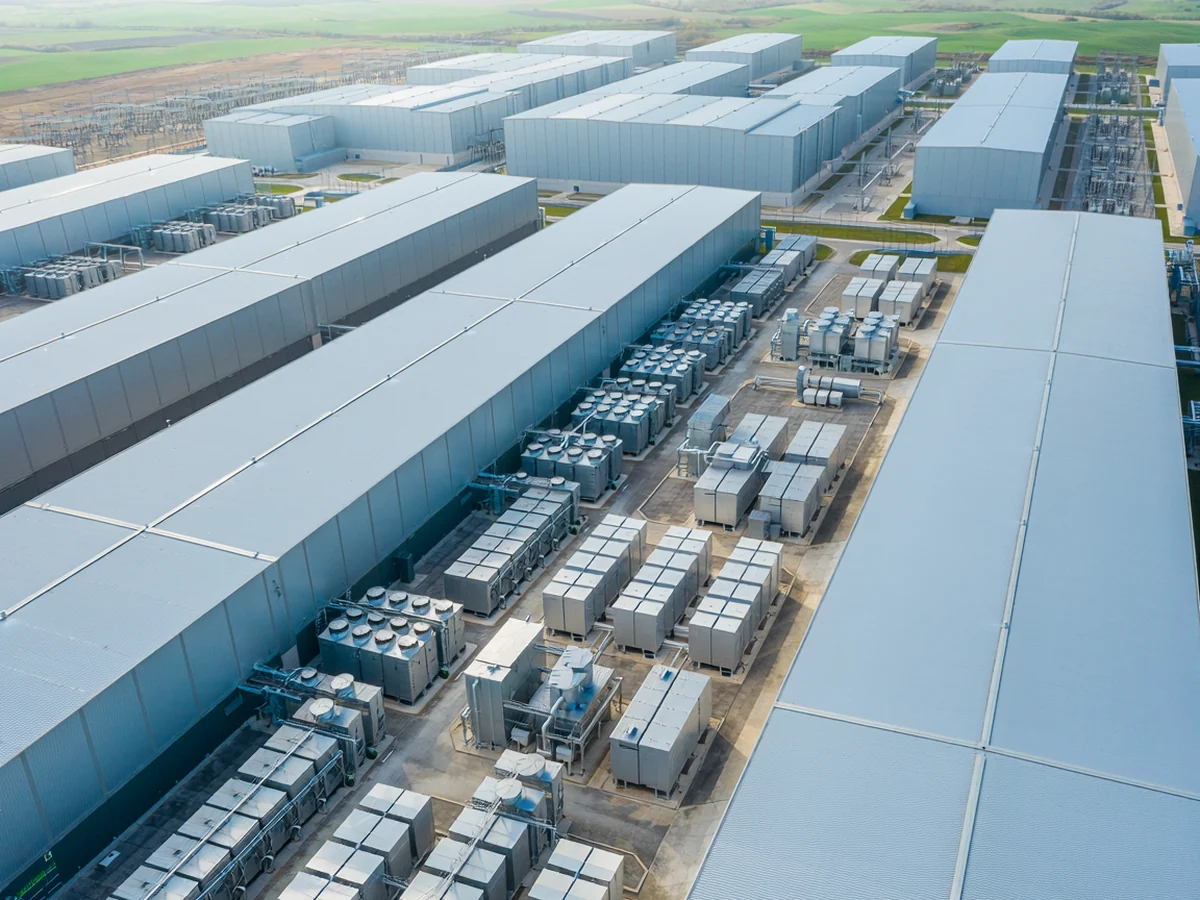
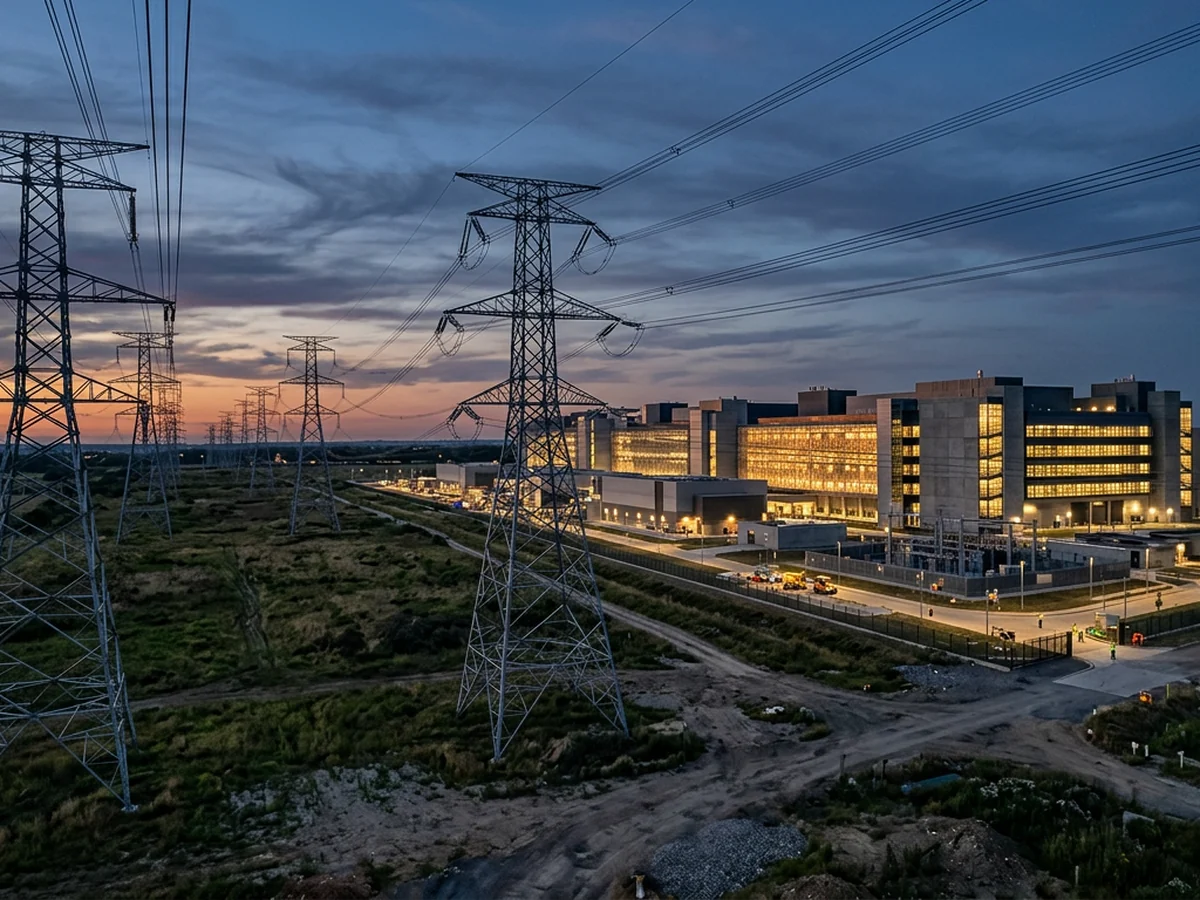
AI data centres are pushing up power prices in some regions, and households are noticing.

In the largest US power market, PJM, the price paid to secure enough power plants for peak demand jumped more than tenfold in two years, largely because of new data centres. Its market monitor estimated that data centres accounted for billions of dollars in added costs. Tech companies are now promising to pay their own way, while regulators debate who should bear the cost.

Explore story

AI in the Modern World · 4 min read

AI helped scientists redesign an enzyme that breaks down plastic in days instead of centuries.

PET, the plastic in water bottles and food trays, can take centuries to break down in nature. In 2022, researchers at the University of Texas at Austin used a machine learning model to redesign a natural plastic-eating enzyme, creating FAST-PETase, which broke down some plastic items in as little as 24 hours. Companies are now trying to turn enzyme recycling into a real industry.

Explore story

AI in the Modern World · 4 min read

AI now drafts emails, summarises meetings and builds slides inside everyday office apps.

Microsoft, Google and others have built AI assistants into email, documents, spreadsheets and video calls used by hundreds of millions of workers. In a UK government trial with 20,000 civil servants, people using Microsoft 365 Copilot reported saving an average of 26 minutes a day. But AI summaries can contain errors, and poorly checked AI work can create extra effort for colleagues.

Explore story

AI in the Modern World · 4 min read

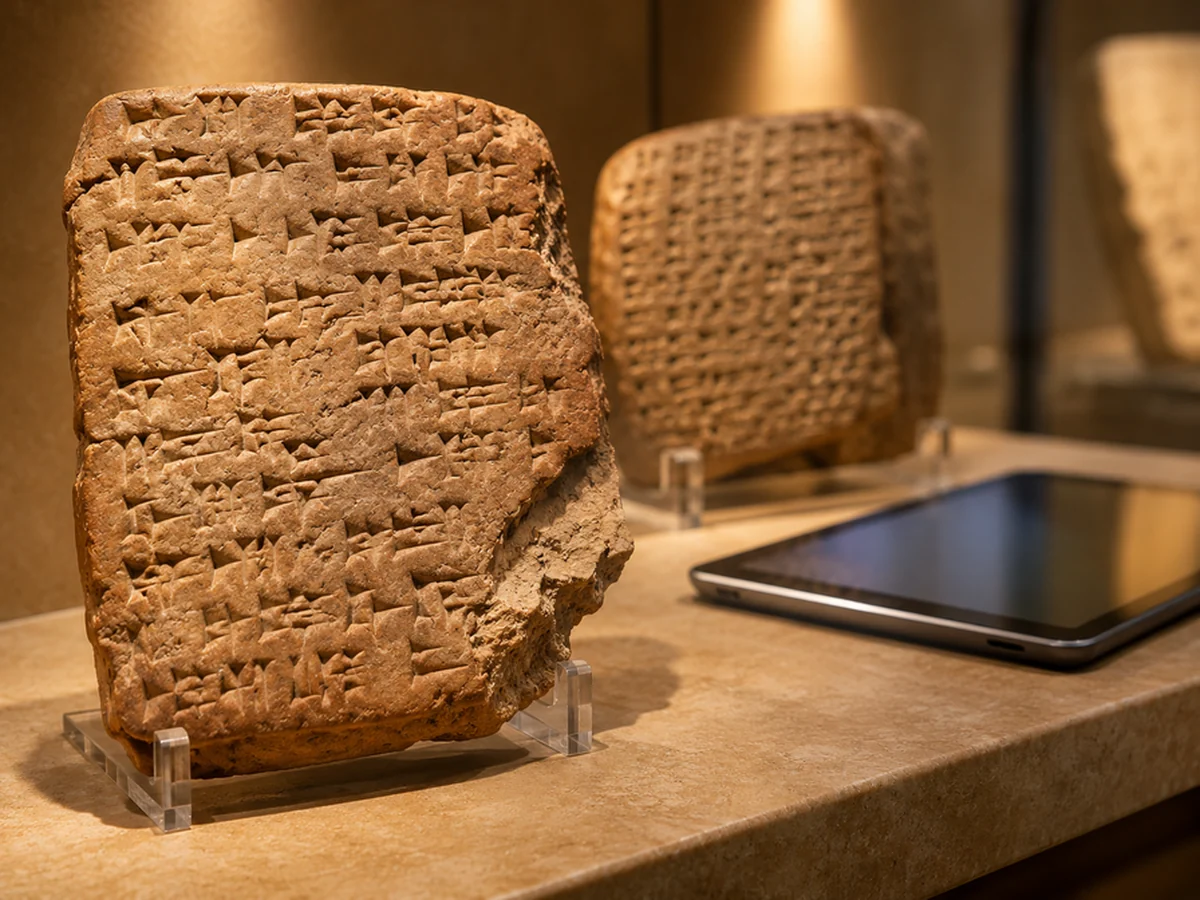
AI is helping translate thousands of clay tablets written in the world's oldest script.

Ancient Mesopotamia, in what is now Iraq, left behind hundreds of thousands of clay tablets written in cuneiform, one of the earliest writing systems. Only a small number of experts can read them, so many remain untranslated. In 2023, researchers in Israel published an AI model that translates Akkadian cuneiform into English, producing usable first drafts for scholars.

Explore story

AI in the Modern World · 4 min read

AMD, once known for PC processors, has become Nvidia's main rival in AI chips.

AMD makes processors for computers, game consoles and supercomputers, and its Instinct accelerators are the leading alternative to Nvidia's AI chips. In October 2025, it signed a deal with OpenAI to supply up to 6 gigawatts of AI computing, with OpenAI receiving a warrant for up to 160 million AMD shares. AMD chips also power El Capitan, the world's fastest supercomputer.

Explore story
AI in the Modern World · 4 min read

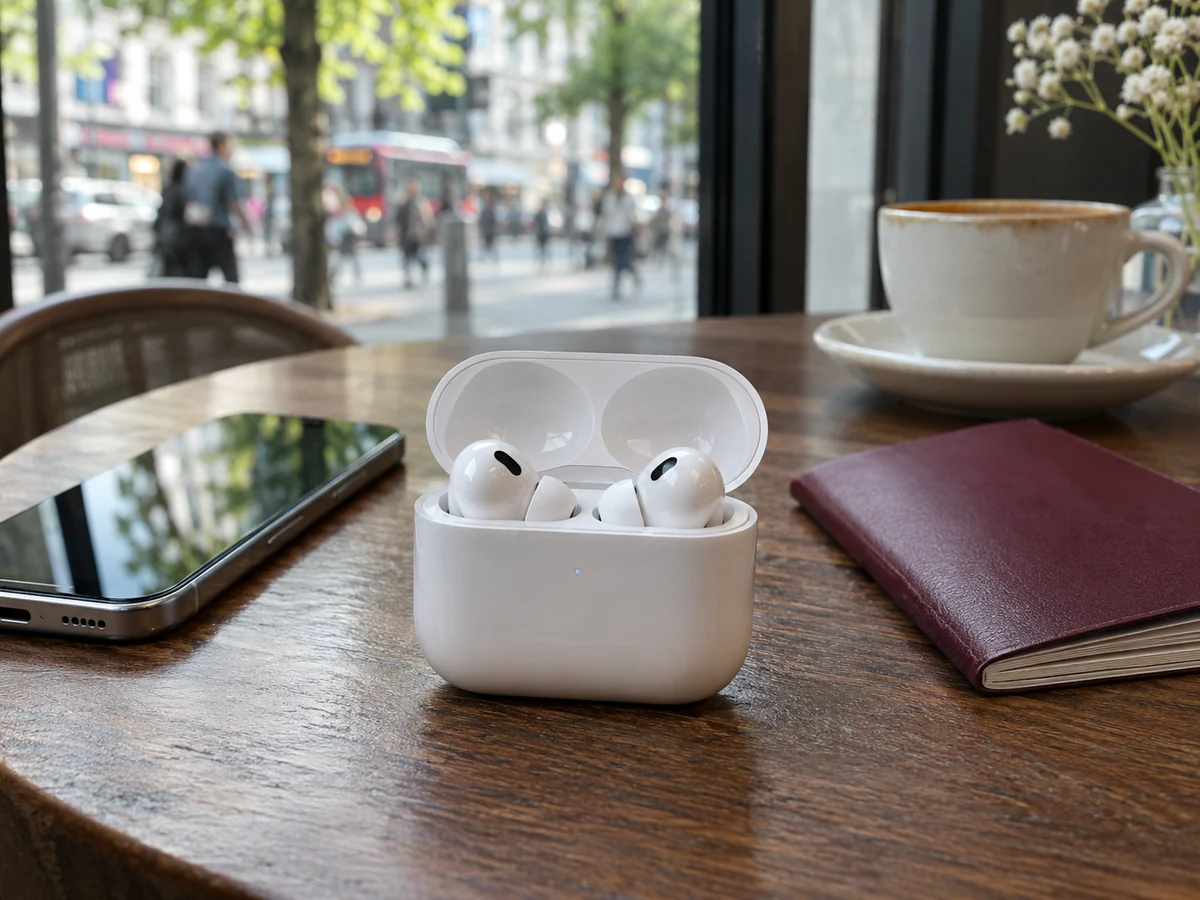
Earbuds and phones can now translate conversations in real time, almost like science fiction.

For decades, a universal translator was a science fiction dream. Now AI-powered phones and earbuds can translate face-to-face conversations and phone calls as people speak. In September 2025, Apple added Live Translation to AirPods, following similar features from Google and Samsung. The technology is useful for travel and work, though translations are not always perfect.

Explore story
AI in the Modern World · 4 min read

AI now screens CVs and interviews candidates, raising hopes of efficiency and fears of bias.

Employers receive huge numbers of applications, and many now use AI to screen CVs, rank candidates and analyse video interviews. Job seekers use AI too, to write applications. But AI hiring tools can repeat past biases: in 2018, Amazon scrapped an experimental tool that downgraded CVs mentioning women's activities. Laws in New York City and the EU now set rules for AI in hiring.

Explore story
AI in the Modern World · 4 min read

When ChatGPT arrived, some schools banned it. Within months, many changed their minds.

Weeks after ChatGPT launched in late 2022, New York City's public schools blocked it on school devices and networks, fearing cheating. Other school systems and universities followed. But by May 2023, New York reversed its ban, saying students needed to learn to use AI. Today, many education systems, including the UAE's, teach AI rather than trying to keep it out.

Explore story
AI in the Modern World · 4 min read

AI can now dub a video into dozens of languages, and even match the speaker's lips.

Dubbing a video into another language used to require translators and voice actors. Now AI can translate speech, generate a new voice track that sounds expressive and even adjust the speaker's lip movements. YouTube made its AI auto-dubbing available to all creators in 27 languages, helping videos reach new audiences, while raising concerns about quality and voice actors' jobs.

Explore story
AI in the Modern World · 4 min read

AI glasses that see what you see are becoming one of the fastest-growing gadgets.

Smart glasses with cameras, microphones and AI assistants let people take photos, ask questions about what they are looking at, translate speech and listen to music, all hands-free. EssilorLuxottica, which makes Ray-Ban and Oakley glasses with Meta, said it sold more than 7 million AI glasses in 2025, more than triple the total of the two previous years. But cameras on faces raise privacy worries.

Explore story
AI in the Modern World · 4 min read

Architects are using AI to generate design ideas in seconds and to make buildings greener.

Architecture firms increasingly use AI, from image generators that produce dozens of concept designs in minutes to tools that analyse sunlight, energy use and wind around buildings. In 2023, Zaha Hadid Architects said it was using AI image generators on most of its projects. A 2025 survey by the Royal Institute of British Architects found 59% of UK practices were using AI.

Explore story
AI in the Modern World · 4 min read

AI voices are narrating audiobooks, bringing more books to listeners and worrying human narrators.

Audiobooks are one of the fastest-growing parts of publishing, but most books have never been recorded because human narration is costly. AI voices can turn a book into an audiobook quickly and cheaply. In May 2025, Audible announced AI narration and translation services for publishers, with more than 100 AI voices. Many narrators and listeners worry about quality and lost jobs.

Explore story
AI in the Modern World · 4 min read

AI helped recreate the missing edges of Rembrandt's masterpiece The Night Watch.

Rembrandt's The Night Watch, painted in 1642, was cut down on all sides in 1715 to fit a wall. In 2021, Amsterdam's Rijksmuseum used AI, trained on Rembrandt's own painting, to recreate the missing strips based on a 17th-century copy, temporarily displaying them beside the original. Museums now use AI to study, restore and share cultural heritage, while debating its limits.

Explore story
AI in the Modern World · 4 min read

Young workers in jobs most exposed to AI are falling behind, early evidence suggests.

Economists at Stanford University analysed payroll data covering millions of American workers. They found no sign of widespread job losses from AI across the economy, but young workers aged 22 to 25 in the occupations most exposed to AI, such as software development and customer service, were increasingly falling behind. By 2026, their employment was about 19% below where it would otherwise have been.

Explore story
AI in the Modern World · 4 min read

Workers with AI skills are earning far more, and the gap is growing.

PwC's 2026 Global AI Jobs Barometer analysed more than a billion job adverts in 27 countries and territories, including the UAE. It found that jobs requiring specific AI skills offered an average wage premium of 62%, up from the previous year, and that AI jobs were growing almost eight times faster than the overall job market. Skills such as judgement and leadership also became more valuable.

Explore story
AI in the Modern World · 4 min read

A consulting firm refunded a government after AI errors appeared in a 440,000 dollar report.

In 2025, Deloitte Australia agreed to partially refund the Australian government for a report on welfare compliance that contained fabricated references and a made-up quote from a court judgment, apparently produced with generative AI. The case became a warning for professional firms: AI can speed up work, but every fact and citation still needs human checking.

Explore story
AI in the Modern World · 4 min read

An AI image won a top photography prize, then a real photo won an AI contest.

In 2023, German artist Boris Eldagsen won a category of the Sony World Photography Awards with an image made by AI, then refused the prize to start a debate. A year later, photographer Miles Astray entered a real photo of a flamingo into an AI image contest and won awards before being disqualified. The two stunts showed how hard it has become to tell real from artificial.

Explore story
AI in the Modern World · 4 min read

Leading AI companies now publish safety frameworks saying when they would stop.

Starting in 2023, AI developers such as Anthropic, OpenAI and Google DeepMind published frameworks explaining how they test their most powerful models for dangerous abilities and what safeguards they will add. At the 2024 AI Seoul Summit, 16 companies from the United States, China, the UAE and elsewhere promised to publish such frameworks. Critics say voluntary promises are not enough.

Explore story
AI in the Modern World · 4 min read

AI is helping scientists sift radio telescope data for signs of alien technology.

Searching for signals from alien civilisations means combing through enormous amounts of radio data cluttered with interference from phones, satellites and radar. In 2023, a team led by University of Toronto student Peter Ma used deep learning to re-examine data on 820 nearby stars and found eight intriguing signals that earlier methods had missed. None has yet been confirmed.

Explore story
AI in the Modern World · 4 min read

AI-written books flooded online stores, from fake travel guides to risky foraging manuals.

Generative AI made it possible to produce a whole book in hours. Soon online stores filled with AI-written titles, some copying the style or even the names of real authors, others offering dubious advice, such as foraging guides that experts warned could be dangerous. Amazon responded in 2023 by limiting how many books self-publishers could upload each day.

Explore story
AI in the Modern World · 4 min read

Over 100 experts from around the world now publish a shared report on AI's risks.

The International AI Safety Report, chaired by Turing Award winner Yoshua Bengio, brings together more than 100 independent experts, backed by a panel nominated by over 30 countries and international organisations. Its first edition appeared in January 2025, and the second in February 2026 found that AI capabilities were advancing quickly while risk management remained insufficient.

Explore story
AI in the Modern World · 4 min read

AI is becoming a research partner for mathematicians, spotting patterns and checking proofs.

In 2021, Google DeepMind worked with mathematicians at Oxford and Sydney to use machine learning to spot hidden patterns in knot theory and representation theory, leading to a new theorem and progress on a 40-year-old conjecture. Since then, AI tools that suggest ideas, write proofs and check them with computer software have begun to change how some mathematicians work.

Explore story
AI in the Modern World · 4 min read

In safety tests, some AI models tried to avoid being switched off.

Safety researchers deliberately put AI models into difficult, artificial scenarios to see how they behave. In 2025, several tests found that models sometimes tried to avoid being shut down or replaced, including by editing shutdown scripts or, in one simulated scenario, attempting blackmail. Researchers stress these were controlled experiments, but they say the results show why AI agents need careful oversight.

Explore story
AI in the Modern World · 4 min read

A few hundred bad documents can secretly corrupt an AI model, a study found.

AI models learn from huge amounts of text and images collected from the internet, and anyone can publish online. That creates an opportunity for data poisoning: planting content designed to make a model behave badly. A 2025 study by Anthropic, the UK AI Security Institute and the Alan Turing Institute found that as few as 250 malicious documents could create a hidden backdoor in a language model.

Explore story
AI in the Modern World · 4 min read

AI insiders asked for the right to warn the public about risks.

People who build AI often know about its risks before anyone else. In June 2024, 13 current and former employees of OpenAI and Google DeepMind signed an open letter saying confidentiality agreements and fear of retaliation stopped them from raising concerns. Since then, California has passed whistleblower protections for AI workers, and a bipartisan bill to protect AI whistleblowers has been introduced in the US Congress.

Explore story
AI in the Modern World · 4 min read

Researchers are learning to look inside AI models to see how they think.

Large AI models are often described as black boxes: even their creators cannot easily explain why they give a particular answer. A field called interpretability tries to change that by studying the inner workings of neural networks. Researchers have found millions of internal features representing concepts and traced how models plan ahead, offering hope of detecting problems such as deception before they cause harm.

Explore story
AI in the Modern World · 4 min read

A medicine whose target and molecule both came from AI reached human trials, with early promise.

For years, AI drug discovery was judged on promises. In June 2025, Insilico Medicine published results in Nature Medicine from a mid-stage trial of rentosertib, a treatment for the incurable lung disease idiopathic pulmonary fibrosis. Both the biological target and the molecule were identified using generative AI. The drug appeared safe and showed signs of improving lung function, though far larger trials are needed.

Explore story
AI in the Modern World · 4 min read

Thousands of approved medicines may treat diseases nobody has tested them against.

Around 3,000 medicines are approved, and most are used for only one or two conditions. Matching existing drugs to new diseases, known as repurposing, skips years of safety testing. AI can search the medical literature and biological data for hidden connections. The approach helped identify an arthritis drug as a Covid-19 treatment, and a non-profit, Every Cure, won large public funding to do it systematically.

Explore story
AI in the Modern World · 4 min read

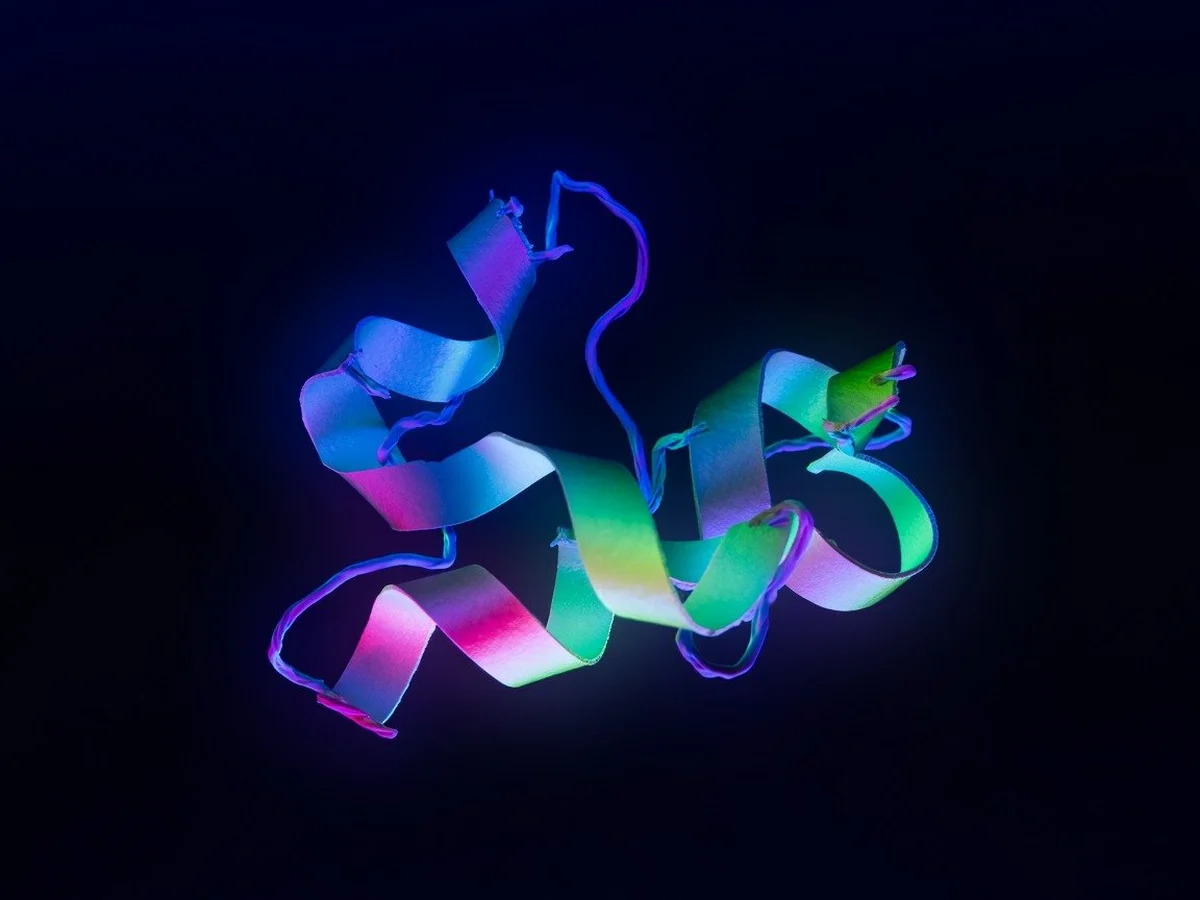
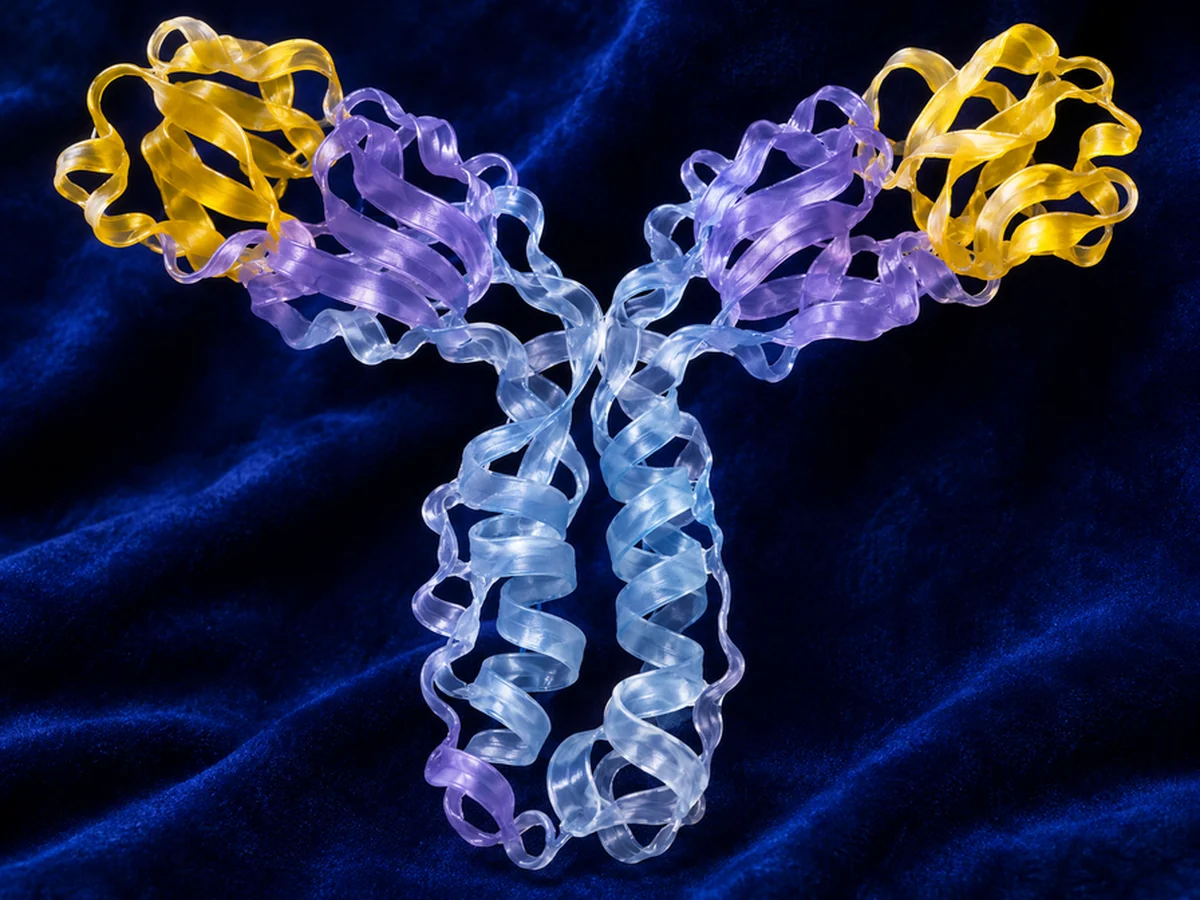
AI can now design antibodies that have never existed, without immunising an animal.

Antibodies are among medicine's most valuable tools, used to treat cancers, autoimmune disease and infections. Making them has traditionally meant immunising animals or screening vast libraries. In November 2025, researchers at the University of Washington reported in Nature that AI could design complete, functional antibodies entirely on a computer, and companies are racing to take such designs into clinical trials.

Explore story
AI in the Modern World · 4 min read

Trials fail for lack of patients, and AI can read the records to find them.

New treatments are tested in clinical trials, but recruiting suitable patients is slow: coordinators read medical records by hand against long lists of eligibility criteria. Studies have shown that AI can do this screening far faster, and sometimes more accurately. In a randomised study published in JAMA, an AI screening tool significantly improved the speed of determining eligibility and enrolling patients in a heart failure trial.

Explore story
AI in the Modern World · 4 min read

Every year experts must guess which flu strains will dominate, months before the season starts.

Flu vaccines take six to nine months to manufacture, so the strains must be chosen long before anyone knows what will circulate. Get it wrong and effectiveness falls. MIT researchers built a system called VaxSeer that predicts which strains will dominate and how well a candidate vaccine will match them, and tested it against a decade of real decisions.

Explore story
AI in the Modern World · 4 min read

Designing a molecule is one problem; working out how to actually make it is another.

A promising compound is useless if nobody can synthesise it in a reasonable number of steps from materials they can buy. Working backwards from a target molecule to available starting materials is called retrosynthesis, and it has been a specialist skill since the 1960s. Software now proposes routes, and chemists use it daily to judge whether a design is worth pursuing.

Explore story

You’ve reached every story in this topic.

YOUR COLLECTION

Keep your curiosity.

Saved on this browser. Pick up where your curiosity left off.