A business of prediction
Insurance works by pooling risk: many people pay premiums, and those who suffer losses receive payouts. To set prices, insurers must predict how likely each customer is to make a claim and how large it might be. Actuaries have used statistics for centuries to do this. Machine learning allows insurers to analyse far more data and find more complex patterns, potentially making predictions more accurate.
Faster claims
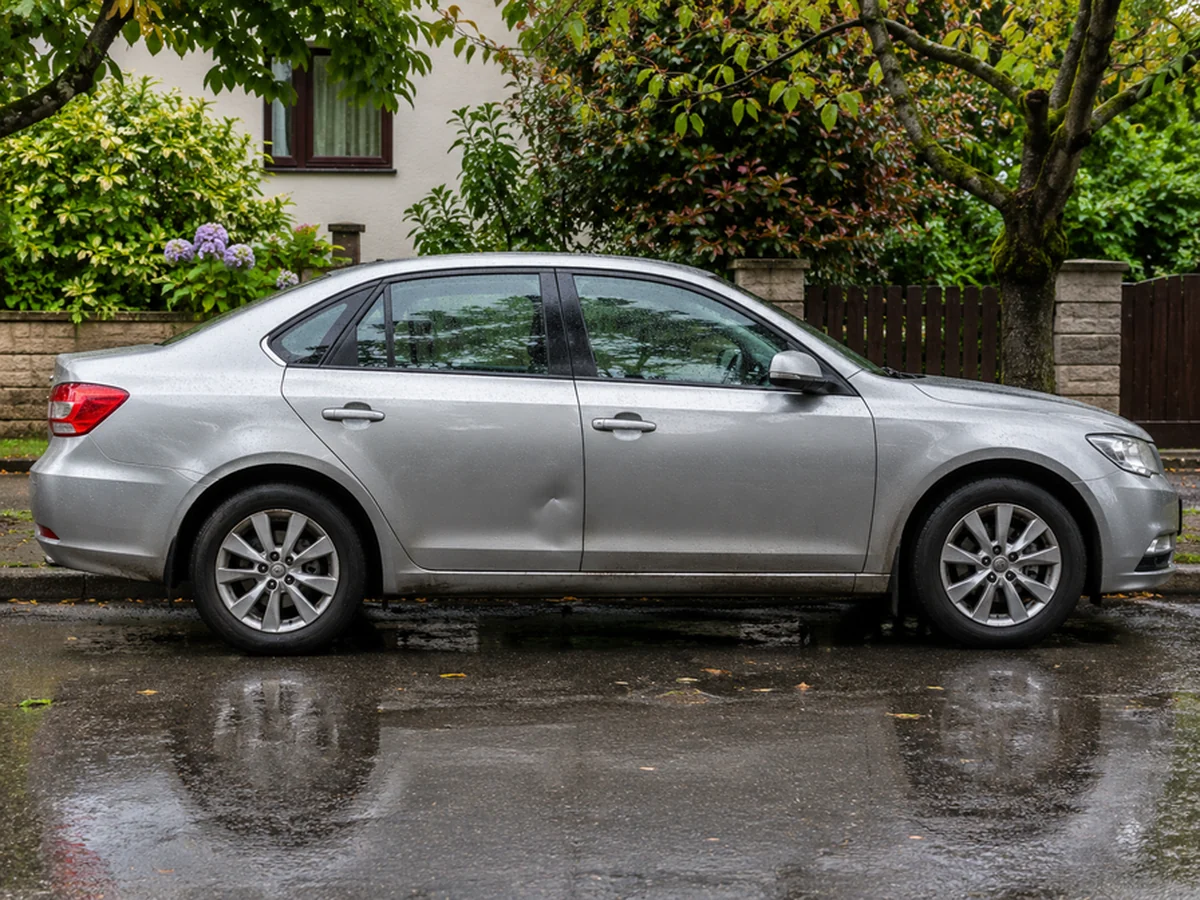
Claims processing has traditionally involved forms, phone calls, inspections and waiting. AI can speed this up dramatically. Customers can photograph damage to a car or home with a smartphone, and AI image analysis estimates repair costs. Simple claims can be checked against policy terms and approved automatically, sometimes within minutes. More complex claims are routed to human adjusters with AI-generated summaries, saving time.
Catching fraud
Insurance fraud, from exaggerated claims to staged accidents, costs insurers and honest customers billions of dollars each year. AI models analyse claims for unusual patterns, such as repeated claims by connected people, inconsistencies in documents or images that appear manipulated. Insurers must be careful, however, because false accusations can harm genuine customers, so flagged claims are usually reviewed by investigators.
Data from devices
Some motor insurers offer policies based on driving behaviour, using telematics devices or smartphone apps that record speed, braking, acceleration and time of day. Safer drivers may receive lower premiums. Health and life insurers in some countries offer discounts linked to fitness trackers. These programmes can reward good behaviour but raise privacy concerns about the amount of personal data collected.
Climate and catastrophes
Natural disasters such as floods, storms and wildfires are causing growing insured losses. Insurers use AI with satellite images, weather data and climate models to assess risks to individual properties, predict losses from approaching storms and estimate damage quickly after disasters. In the UAE, the heavy rainfall and floods of April 2024 led to a surge of claims, highlighting the importance of understanding climate risks even in desert regions.
Underwriting businesses
For commercial insurance, AI helps underwriters analyse large amounts of information about businesses, such as financial records, property details and industry risks, and extract key facts from lengthy documents. Generative AI can summarise submissions and draft reports, allowing underwriters to focus on judgment. AI also helps insurers manage their overall exposure, such as how much risk they hold in a particular region.
Fairness concerns
Using more data and complex models can create unfair outcomes. Models might charge higher prices to people in certain neighbourhoods or with certain characteristics, indirectly discriminating against groups protected by law. Insurers could also use AI to set prices based on how likely customers are to shop around rather than on risk, a practice that some regulators have banned. Explaining AI-driven decisions to customers is also challenging.
Regulation
Insurance regulators are paying close attention to AI. In the United States, the National Association of Insurance Commissioners adopted a model bulletin in 2023 setting expectations for insurers' use of AI, which many states have adopted. The European Union's AI Act classifies AI used for risk assessment and pricing in life and health insurance as high-risk. In the UAE, insurance is regulated by the Central Bank, which has issued guidance on technology and consumer protection.
For customers
AI can make insurance more convenient, with instant quotes, quicker claims and helpful chatbots. Customers should read policy terms carefully, understand what data is being collected, especially with telematics or apps, and know that they can ask for human review if they disagree with a decision. Comparing quotes from several insurers remains a good way to find fair prices, whether prices are set by humans or algorithms.
Why it matters
Insurance protects people and businesses against life's risks, and AI is changing how it is priced, sold and paid. The technology can make insurance faster, cheaper and better at handling new risks such as climate change. It also raises important questions about fairness, privacy and accountability. Getting the balance right will determine whether AI makes insurance work better for everyone, including people who have traditionally found cover hard to obtain.
Sources & further reading
- NAIC · Model bulletin on the use of artificial intelligence systems by insurers (2023) ↗
- European Commission · Navigating the AI Act ↗
- Central Bank of the UAE · Insurance ↗
This is general information, not financial advice. Photograph: original AI-generated illustration (Adobe Firefly). Reference organisations do not endorse this website.