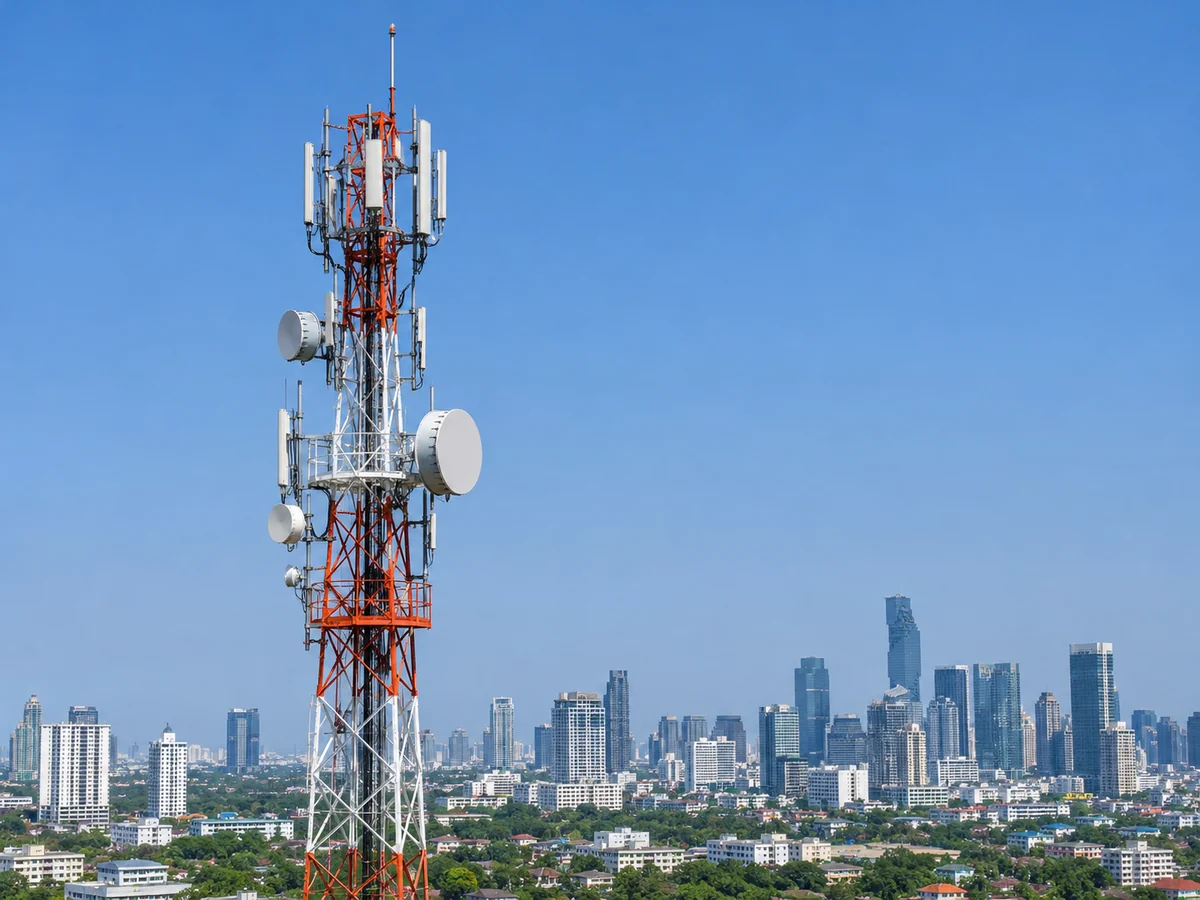
Networks of staggering complexity
Modern telecom networks connect billions of phones, computers and devices through millions of mobile masts, fibre optic cables, satellites and data centres. Traffic patterns change constantly with time of day, events and the popularity of video streaming and online gaming. 5G networks add even more complexity, with many more settings and frequency bands. Managing such systems manually is impossible, so operators increasingly rely on automation and AI.
Optimising the network
AI analyses data from network equipment to adjust settings automatically, such as how antennas direct signals, how traffic is balanced between masts and how capacity is allocated. This helps maintain good service during busy periods, such as major events or holidays. Operators also use AI to plan where to build new masts and fibre, predicting future demand based on population growth, construction and usage patterns.
Fixing faults before they happen
Network failures frustrate customers and cost operators money. AI models analyse alarms, performance data and equipment logs to detect early signs of problems, identify the likely cause and suggest or automatically apply fixes. This reduces the time engineers spend diagnosing faults and can prevent outages. With thousands of alarms generated every day, AI helps teams focus on the issues that matter most.
Saving energy
Energy is one of the largest operating costs for mobile operators, and networks consume significant electricity. AI can predict when traffic will be low, for example late at night, and temporarily switch off some equipment or frequency bands without affecting service, then switch them back on as demand rises. Equipment makers and operators report meaningful energy savings from such techniques, which also reduce emissions.
Stopping scams
Scam calls and text messages are a major problem worldwide. Operators use AI to detect patterns typical of fraud, such as numbers making huge numbers of short calls or messages containing suspicious links, and to block them before they reach customers. Some operators offer AI services that warn customers about likely scam calls. In the UAE, operators and the telecommunications regulator have taken measures to combat spam and fraudulent calls.
Customer service
Telecom companies serve millions of customers with questions about bills, plans and technical problems. AI chatbots and virtual assistants handle many enquiries in apps and online, while AI tools help human agents find answers faster. Operators use AI to personalise offers and predict which customers might leave for a competitor, offering them incentives to stay. Generative AI is making these assistants more capable.
Operators as AI companies
Many telecom operators are moving beyond connectivity into technology services, including cloud computing, data centres and AI. In the UAE, e&, formerly Etisalat, and du have announced investments in AI, data centre capacity and partnerships with global technology companies. Some operators in Asia and Europe have developed their own language models tailored to local languages. Telecom networks are also needed to carry the growing traffic generated by AI applications, from video generation to cloud-based assistants.
AI-native networks
The industry is designing the next generation of mobile networks, often called 6G and expected around 2030, with AI built in from the start. The idea is for networks to manage and optimise themselves, adapt to different applications and support new uses such as connected vehicles and immersive experiences. Industry groups are developing standards for using AI in network management and protecting networks against AI-powered cyberattacks.
Security and privacy
Telecom networks are critical infrastructure and attractive targets for cyberattacks. AI helps detect intrusions and unusual activity, but attackers also use AI. Operators handle sensitive data about customers' locations, calls and internet use, and must protect it under privacy laws. Using AI to analyse such data requires careful safeguards, and regulators set rules on how operators may use customer information.
Why it matters
Reliable, fast communication networks underpin modern life, from work and education to healthcare and emergency services. AI is helping operators keep networks running smoothly, use less energy, protect customers from scams and prepare for future demand, including from AI itself. As networks grow more complex, AI will become even more essential to keeping the world connected, reliably and securely, for everyone who depends on it.
Sources & further reading
- GSMA · AI in networks ↗
- ITU · AI for Good ↗
- UAE Telecommunications and Digital Government Regulatory Authority ↗
A general overview of industry practice. Photograph: original AI-generated illustration (Adobe Firefly). Reference organisations do not endorse this website.