A giant energy user
Amazon is one of the world's largest companies, running warehouses, delivery fleets, offices and stores, and, through Amazon Web Services, the world's largest cloud computing business. Its data centres, which host websites, apps and increasingly AI services for millions of customers, use enormous amounts of electricity. How it powers them has a significant effect on global emissions and on the growth of clean energy.
The Climate Pledge
In 2019, Amazon co-founded The Climate Pledge, committing to reach net-zero carbon emissions across its operations by 2040, ten years ahead of the Paris Agreement's goal. It also set a target to match all the electricity used in its operations with renewable energy by 2030, later bringing the target forward. Hundreds of other companies have since signed The Climate Pledge.
The top buyer
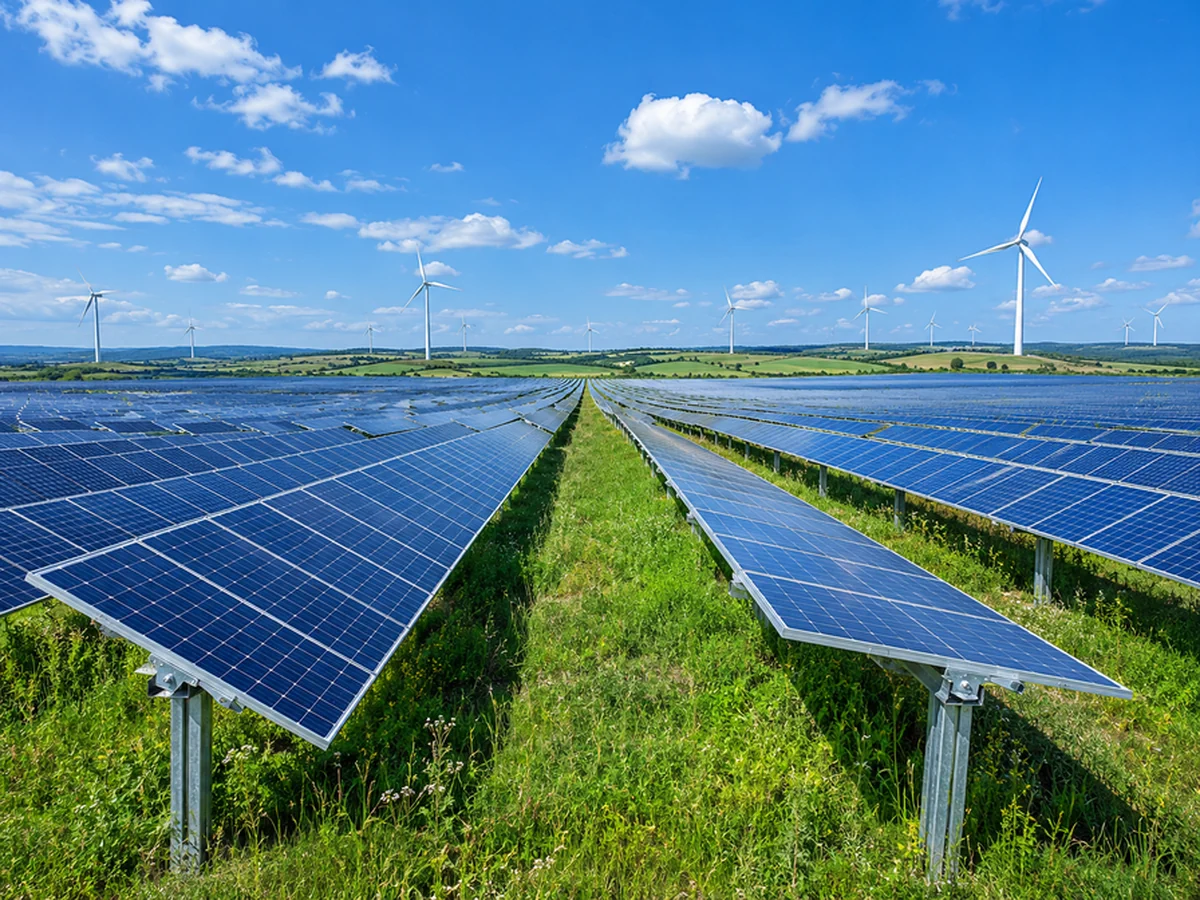
According to BloombergNEF, an energy research firm, Amazon has been the world's largest corporate buyer of renewable energy every year since 2020. It has announced more than 600 renewable energy projects across about 28 countries, including large solar and wind farms and rooftop solar on its buildings. Its long-term contracts give developers the certainty they need to finance new projects, adding clean power to grids.
Goal met early
In 2024, Amazon announced that it had matched 100% of the electricity consumed across its global operations with renewable energy in 2023, seven years ahead of its original 2030 goal, and it reported doing so again in 2024. Matching means that the company bought or supported as much renewable electricity as it used over the year, though not necessarily at the same time or place as its consumption.
Around the world
Amazon is the largest corporate buyer of renewable energy in several countries, including India and Japan, according to the company and analysts. In Europe, it has announced dozens of projects, including offshore wind farms. A 2026 analysis by S&P Global found that Amazon's renewable portfolio totalled about 42 gigawatts, accounting for a large share of all corporate clean energy purchases tracked.
Turning to nuclear
Because solar and wind do not produce power all the time, Amazon has also invested in other carbon-free sources. In 2024, it announced investments in small modular nuclear reactors, including backing the developer X-energy and agreements with utilities in the United States. It also signed agreements to buy power from an existing nuclear plant in Pennsylvania. These moves aim to provide steady clean power for data centres.
Efficient data centres
Amazon says its data centres are among the most energy- and water-efficient in the industry, using custom chips, efficient cooling and designs that reduce waste. AWS has developed its own AI chips, called Trainium and Inferentia, which it says use less energy than alternatives for some tasks. It also uses recycled water for cooling at some sites and aims to return more water to communities than it uses by 2030.
Rising emissions
Despite its clean energy purchases, Amazon's total reported emissions have risen in recent years as it builds more data centres for AI, according to its sustainability reports and analysts. Construction materials such as steel and concrete, and the manufacture of chips and servers, produce emissions that renewable electricity does not address. Critics also question how much renewable energy certificates, which Amazon uses in part, truly reduce emissions.
Debate over matching
Some experts argue that annual matching is not enough and that companies should match their electricity use with clean power every hour, in the same grid region, as Google aims to do with its 24/7 carbon-free energy goal. Amazon has argued that its approach adds the most new clean energy to grids worldwide, including in places where it is most needed. Both approaches have supporters.
Why it matters
Amazon's scale means its energy choices shape clean energy markets worldwide. Its purchases have helped finance hundreds of solar and wind farms and are now supporting new nuclear technologies. But the growth of AI is increasing energy demand faster than ever, testing whether big technology companies can keep their climate promises. How they meet this challenge will matter for the whole world.
Sources & further reading
- Amazon · Carbon-free energy ↗
- Amazon · Amazon is a leading corporate purchaser of carbon-free energy ↗
- S&P Global · Amazon delivers on green commitments but emissions rise amid the AI boom (2026) ↗
An independent overview based on company reports and analysts. Photograph: original AI-generated illustration (Adobe Firefly). Reference organisations do not endorse this website.