The problem with sunshine
Solar power has become one of the cheapest sources of electricity in the world, and the Gulf has some of the best sunshine on Earth. But solar panels only generate electricity when the sun shines, and output varies through the day. Data centres, hospitals, desalination plants and factories need steady power around the clock. Until recently, that meant relying on gas, nuclear or other sources to fill the gaps, limiting how much solar a grid could use.
A world-first project
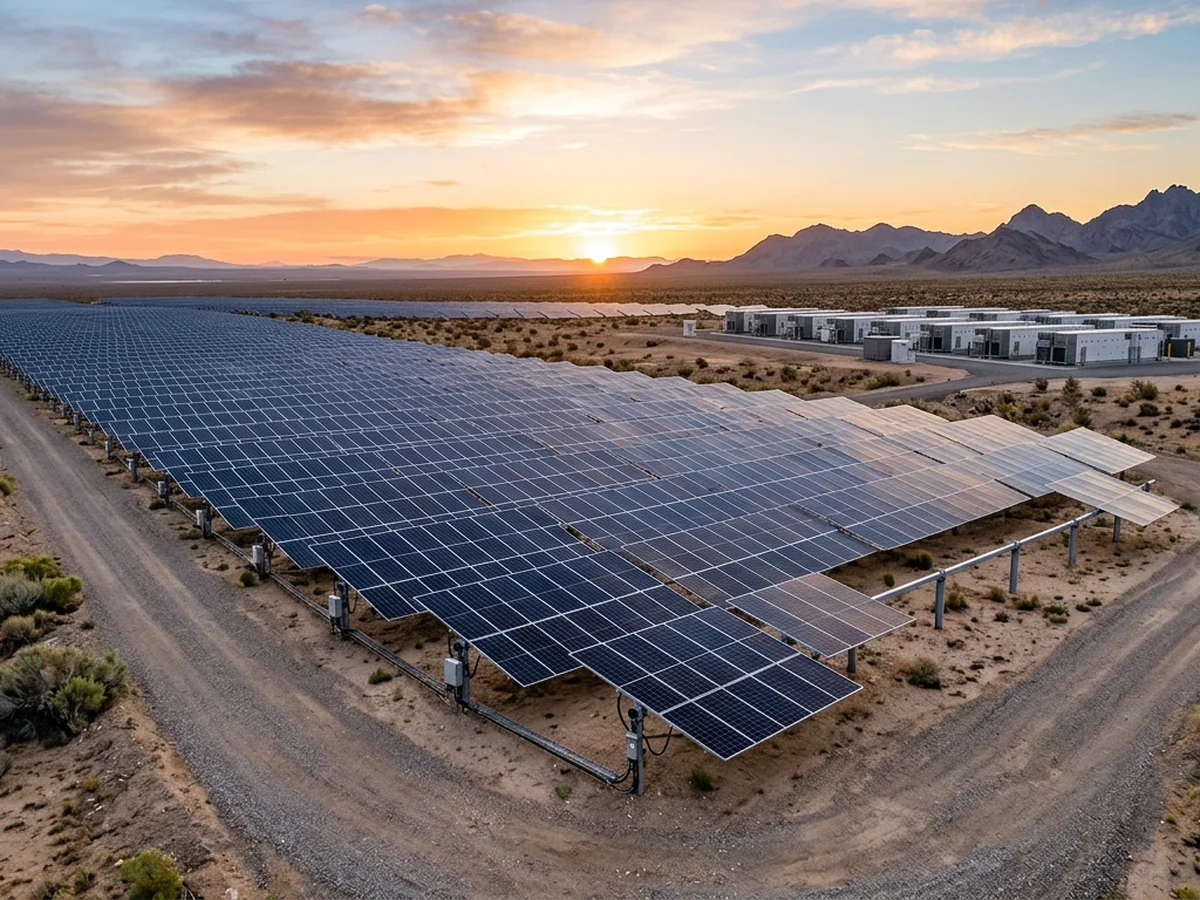
In January 2025, at Abu Dhabi Sustainability Week, Masdar and the Emirates Water and Electricity Company (EWEC) announced what they described as the world's first gigascale round-the-clock renewable energy project. It combines a 5.2-gigawatt solar photovoltaic plant with a 19-gigawatt-hour battery energy storage system, designed to deliver 1 gigawatt of continuous, baseload clean power 24 hours a day. Construction began in October 2025, and the project is scheduled for completion in 2027.
How it works
The solar plant is much larger than the steady output it promises. During the day, it produces far more than 1 gigawatt; part goes straight to the grid and the surplus charges the batteries. After sunset, the batteries discharge to keep supplying 1 gigawatt through the night until the sun rises again. Sophisticated software forecasts sunshine and demand and manages charging and discharging. Masdar describes the battery system as the largest and most technologically advanced of its kind.
The scale
The numbers are enormous. A gigawatt of continuous power is roughly the output of a large conventional power station. The 19 gigawatt-hours of battery storage is among the largest ever planned for a single project. Masdar later announced financial close, with a total investment of about 6.1 billion US dollars. Chinese manufacturers were chosen to supply the solar panels, and large engineering firms from China and India were selected to build the plant.
Why it matters for AI
AI data centres consume large amounts of electricity continuously, and the UAE is building some of the world's largest, including the Stargate UAE campus in Abu Dhabi. Masdar has described the round-the-clock project as clean energy built for the digital age. Providing steady renewable power could help the UAE meet growing demand from data centres while cutting emissions, and it shows that solar plus storage can compete with fossil fuels for constant, reliable supply.
Falling battery costs
Projects like this have become possible because the cost of lithium-ion batteries has fallen dramatically over the past decade, driven largely by mass production for electric vehicles. Battery packs now cost a fraction of what they did in the early 2010s, and large grid batteries are being installed rapidly in China, the United States, Australia and the Middle East. As costs continue to fall, combining solar with several hours of storage is becoming one of the cheapest ways to supply round-the-clock power in sunny regions.
Part of a bigger plan
The UAE aims to reach net zero emissions by 2050 and is expanding renewable energy rapidly alongside its Barakah nuclear power plant. Abu Dhabi already hosts some of the world's largest solar plants, including Noor Abu Dhabi and the 2-gigawatt Al Dhafra solar project. Masdar, owned by Abu Dhabi state entities, has also become one of the world's fastest-growing clean energy companies, with projects across dozens of countries.
Challenges
Huge solar plants require large areas of land, and desert dust reduces panel output, so panels need regular cleaning, often by robots that use little or no water. Extreme heat affects both panels and batteries, requiring careful cooling and design. Batteries degrade over time and must eventually be recycled or replaced. Integrating a large project into the grid requires investment in transmission. Supporters say these challenges are manageable and that experience gained here will help similar projects elsewhere.
A blueprint for the world
Abu Dhabi's leaders have presented the project as a blueprint that can be replicated internationally to meet growing demand for clean, secure, round-the-clock power. If it performs as planned, it could encourage other sunny countries, from India to Chile, to pair giant solar fields with batteries to power industry and AI. For a technology whose energy appetite draws constant attention, it offers a glimpse of how AI could run largely on sunshine.
Sources & further reading
- Masdar · Round-the-clock (RTC) project ↗
- Masdar · Financial close for world-first gigascale 24/7 clean energy project ↗
- pv magazine · Masdar, EWEC break ground on 1 GW baseload solar-plus-storage project ↗
Project figures are from the developers and may change as construction proceeds. Photograph: original AI-generated illustration (Adobe Firefly). Reference organisations do not endorse this website.