AI on the battlefield
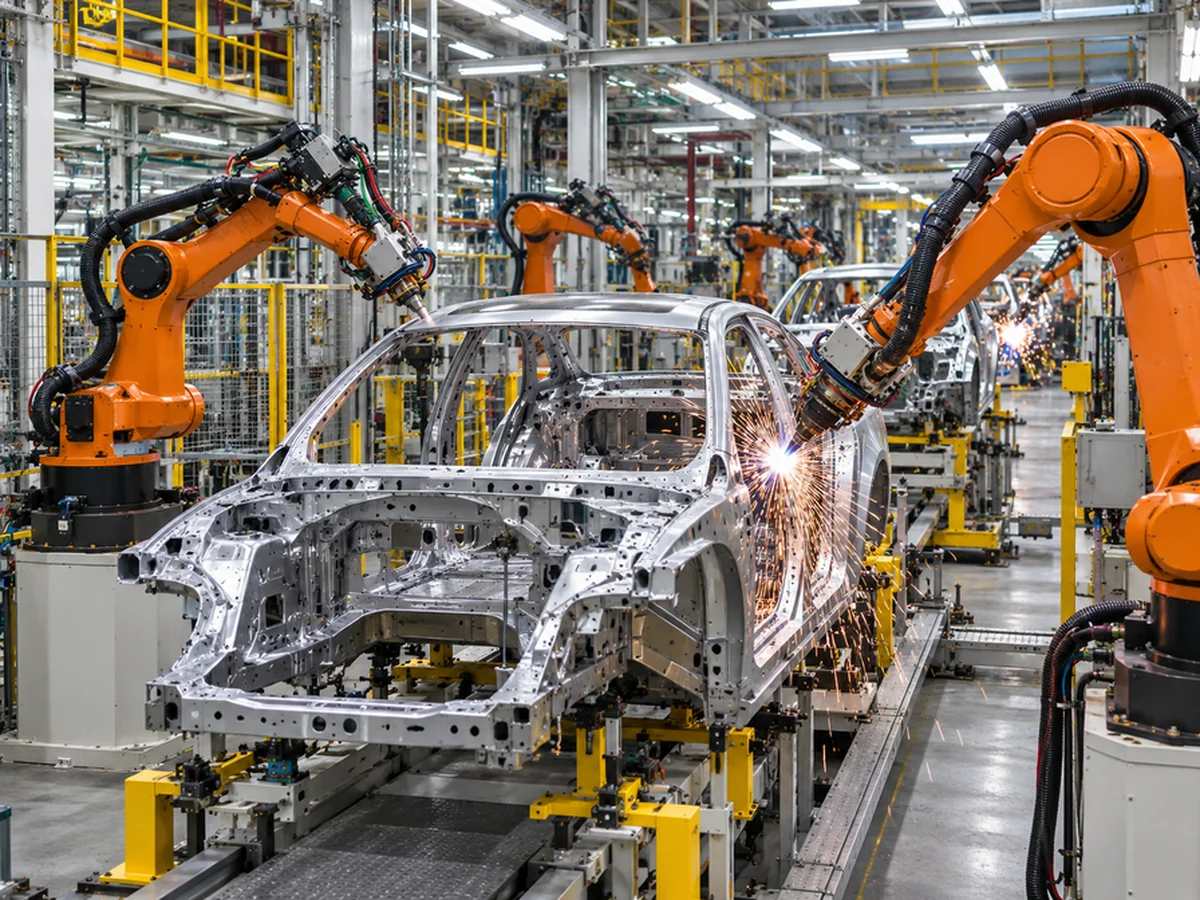
Militaries around the world are adopting AI for many tasks, such as analysing satellite images, predicting equipment failures, planning logistics, defending against cyberattacks and helping identify potential targets. Drones have become central to modern warfare, as seen in the war in Ukraine, and AI helps some drones navigate, track targets and continue operating when communications are jammed. Most military uses of AI do not involve weapons making decisions on their own.
What autonomous weapons are
The International Committee of the Red Cross describes autonomous weapons as systems that select and apply force to targets without human intervention, after being activated by a person. Some defensive systems, such as those that automatically shoot down incoming missiles, have existed for decades with limited autonomy. The concern is about weapons that could independently search for, identify and attack people or objects in complex environments.
Ethical concerns
Critics, including many AI researchers, human rights groups and religious leaders, argue that delegating decisions to kill to machines crosses a moral line, undermining human dignity. They worry that machines cannot make the nuanced judgements required by the laws of war, such as distinguishing civilians from fighters, recognising surrender or weighing whether an attack's harm to civilians would be excessive. The Stop Killer Robots campaign has called for a ban.
Legal and security risks
International humanitarian law requires that attacks distinguish between military targets and civilians and avoid excessive civilian harm. If an autonomous weapon makes a mistake, it may be unclear who is responsible: the commander, the programmer or the manufacturer. Experts also warn that autonomous weapons could lower the threshold for war, escalate conflicts quickly, be hacked or fall into the hands of terrorists and criminals.
Arguments for military AI
Some governments and military experts argue that AI can make weapons more precise and reduce civilian casualties compared with human soldiers, who may act under fear, fatigue or anger. They say that existing international law already applies to all weapons, and that banning a broad category of technology could disadvantage law-abiding countries against adversaries who ignore rules. Many favour guidelines and responsible use over new treaties.
Talks at the UN
Since 2014, countries have discussed autonomous weapons under the Convention on Certain Conventional Weapons in Geneva, agreeing in 2019 on guiding principles, including that humans must remain responsible for decisions on the use of weapons. Progress has been slow because decisions there require consensus. In December 2023, the UN General Assembly adopted its first resolution on the issue, supported by 152 countries.
Growing support
On 2 December 2024, the General Assembly adopted a second resolution, 79/62, with 166 votes in favour, 3 against and 15 abstentions, creating new consultations open to all countries. In May 2025, UN Secretary-General António Guterres and ICRC President Mirjana Spoljaric Egger repeated their call for a legally binding instrument by 2026 to prohibit and regulate such weapons. In late 2025, a further resolution passed, with the United States and Russia among those voting against.
National policies
Some countries have set out their own policies. The United States has a Department of Defense directive requiring that autonomous weapons allow commanders and operators to exercise appropriate levels of human judgement over the use of force, and it launched a political declaration on responsible military use of AI in 2023, endorsed by dozens of countries. Other countries have published principles emphasising human control and compliance with international law.
AI companies and the military
Technology companies have taken different positions. Some AI developers once prohibited military uses of their models but later allowed certain national security applications, such as intelligence analysis and cybersecurity, while maintaining bans on developing weapons. These shifts sparked debate among employees and the public about the role of AI companies in defence and the safeguards needed.
Why it matters
Decisions about autonomous weapons will shape the future of warfare and the protection of civilians. The debate raises fundamental questions about human responsibility, the limits of technology and whether international rules can keep pace with innovation. Whatever one's view, maintaining meaningful human judgement over the use of force is a principle that most countries say they support, even as they disagree about how to guarantee it.
Sources & further reading
- United Nations · General Assembly adopts resolution on lethal autonomous weapons systems (2024) ↗
- ICRC · What you need to know about autonomous weapons ↗
- Human Rights Watch · UN: Start talks on treaty to ban 'killer robots' (2025) ↗
A balanced overview of an ongoing international debate. Photograph: original AI-generated illustration (Adobe Firefly). Reference organisations do not endorse this website.