A global problem
According to the UN Environment Programme's Food Waste Index Report 2024, about 1.05 billion tonnes of food were wasted in 2022 by households, food services and retailers, around a fifth of the food available to consumers. Food loss and waste contributes a significant share of global greenhouse gas emissions. At the same time, hundreds of millions of people face hunger. The UN's Sustainable Development Goals call for halving per person food waste by 2030.
Waste in kitchens
Hotels, restaurants, canteens and caterers throw away large amounts of food: ingredients that spoil, food prepared but never served and leftovers on customers' plates. Buffets, common in hotels and during festive occasions, are particularly prone to waste. Kitchens often do not know exactly what they throw away or why, because measuring waste by hand is time-consuming, so it is hard to fix the problem.
How AI tracking works
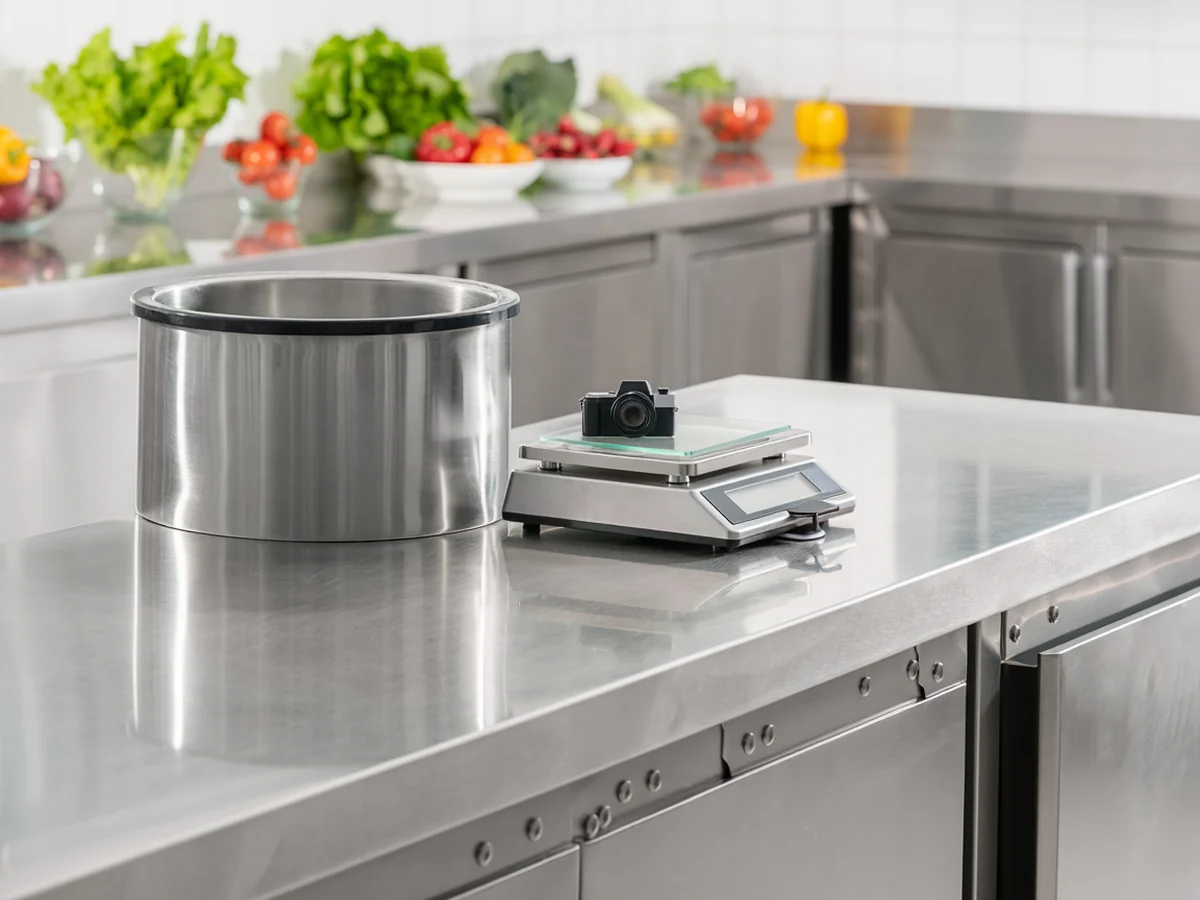
AI food waste systems place a camera and a scale above a kitchen's waste bin. When staff throw food away, the scale weighs it and the camera captures an image. Computer vision AI recognises what the food is, such as rice, bread or chicken, and the system records the weight, cost and time. Dashboards show chefs and managers what is being wasted most, at which point in service, and how much it costs.
Winnow
Winnow, founded in London in 2013 by Marc Zornes and Kevin Duffy, is one of the best-known companies in this field. Its AI system, Winnow Vision, automatically identifies discarded food without staff entering data. The company says its technology is used in thousands of kitchens in nearly 100 countries, including hotels run by Hilton, Marriott, Accor and Mandarin Oriental, and that its customers save more than 100 million dollars a year in food costs.
IKEA halves its waste
IKEA serves millions of meals in its store restaurants. Ingka, the largest IKEA retailer, said it had cut food waste in half across its restaurants worldwide using Winnow's technology, with more than 20,000 food workers trained to use it, and saving tens of millions of dollars. IKEA is also an investor in Winnow. The company described it as the first time a truly global business had halved food waste.
Green Ramadan in the Gulf
During Ramadan, hotels in the Gulf serve large iftar buffets, which can generate significant waste. Hilton's Green Ramadan initiative, supported by Winnow's AI and educational resources developed with UNEP's West Asia office, aimed to reduce this. In 2025, Hilton reported a 26% reduction in plate waste across 45 hotels in 14 countries, equivalent to millions of meals a year, according to Winnow, building on earlier campaigns in the UAE, Saudi Arabia and Qatar.
Predicting demand
Measuring waste after the fact is only part of the solution. Newer tools use AI to forecast how much of each dish will be needed before service, based on past data, bookings and other factors. Winnow developed a forecasting tool with Hilton chefs, and early pilots in European hotels reported cutting the weight of leftover food by up to 69%. Supermarkets also use AI to forecast demand and reduce prices on products nearing their expiry dates.
UAE commitments
The UAE has made reducing food waste a national priority. In 2018, the Ministry of Climate Change and Environment launched the UAE Food Waste Pledge with Winnow, encouraging hospitality companies to measure and cut waste. In 2022, the UAE launched Ne'ma, the National Food Loss and Waste Initiative, with the goal of halving food loss and waste by 2030, involving government, businesses and the public.
Beyond technology
AI tools work best when combined with changes in habits and culture. Chefs must use the data to adjust menus, portion sizes and preparation, and staff need training and motivation. Surplus food can be donated to charities, such as food banks, where safe. Experts note that households waste more food than restaurants, so public awareness and better planning at home are also essential.
Why it matters
Wasting food wastes the water, energy, land and labour used to produce it, and contributes to climate change. AI food waste tracking shows how a simple combination of cameras, scales and smart software can deliver real savings for businesses and the environment. In a region that imports much of its food, like the Gulf, cutting waste also strengthens food security.
Sources & further reading
- UNEP · Food Waste Index Report 2024 ↗
- Hotel Dive · Hospitality operators using Winnow's AI now saving $100 million in food waste (2026) ↗
- Gulf News · UAE commercial kitchens use artificial intelligence to track food waste ↗
Results are as reported by companies and may vary between kitchens. Photograph: original AI-generated illustration (Adobe Firefly). Reference organisations do not endorse this website.