Why AI wants nuclear
Most big technology companies have pledged to cut carbon emissions while their electricity use soars because of AI. Solar and wind are cheap and growing fast, but they rise and fall with the weather and the time of day, while data centres run continuously. Batteries help, but storing enough energy for long periods is expensive. Nuclear power produces large amounts of electricity around the clock with almost no carbon emissions. That combination has made it suddenly attractive to companies that need firm, clean power on a scale few other sources can match.
Restarting Three Mile Island
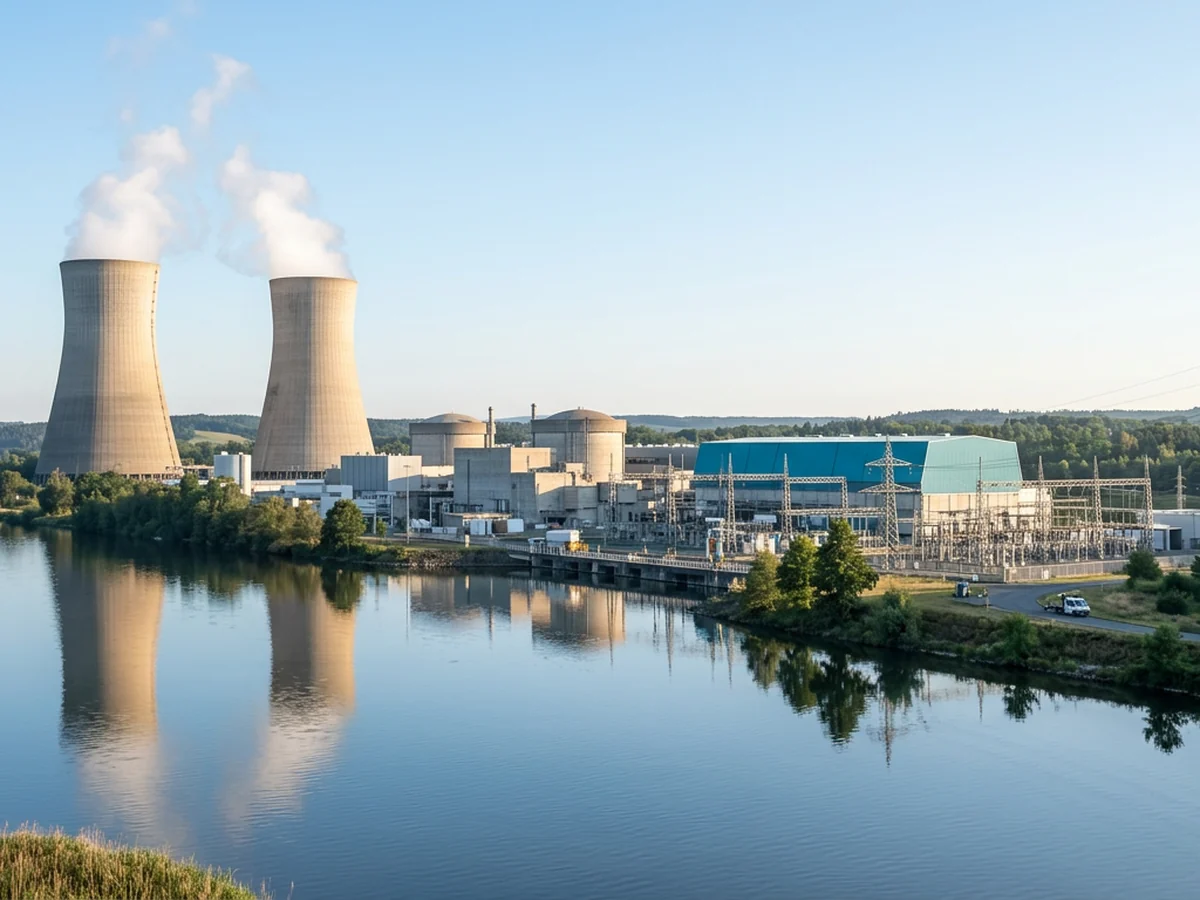
The most symbolic deal came in September 2024, when Microsoft signed a 20-year agreement to buy power from Constellation Energy's Three Mile Island Unit 1 in Pennsylvania, which had closed in 2019 for economic reasons. It is a different reactor from Unit 2, which was damaged in the 1979 accident and remains shut. Renamed the Crane Clean Energy Center, the roughly 835-megawatt reactor is being prepared to restart, with Constellation saying it could return as early as 2027, a year ahead of its original timetable, subject to regulatory approval.
Small reactors for the 2030s
In October 2024 Google signed an agreement with Kairos Power, a start-up developing small modular reactors cooled by molten salt, to deploy about 500 megawatts of new nuclear capacity by 2035, with the first unit targeted around 2030. Days later Amazon anchored a 500-million-dollar investment round in X-energy, another reactor developer, and backed plans for small reactors with the public utility Energy Northwest in Washington state. Small modular reactors are designed to be built in factories and installed in stages, which supporters hope will cut costs and construction times.
Keeping existing plants running
Other deals focus on plants already operating. In June 2025 Meta signed a 20-year agreement with Constellation to buy about 1.1 gigawatts from the Clinton Clean Energy Center in Illinois, supporting the plant's continued operation and an upgrade. Amazon agreed to buy up to about 1.9 gigawatts from Talen Energy's Susquehanna plant in Pennsylvania through 2042. Analysts at the Carnegie Endowment counted announced agreements that could provide up to around 13 gigawatts in total, split roughly equally between purchase agreements and direct partnerships.
The catches
Nuclear projects are notoriously slow and expensive, and small modular reactors have yet to prove they can be built on time and on budget at commercial scale. New reactors face lengthy licensing, and supply chains for specialised fuel are limited. Buying output from existing plants can also divert clean power that other customers were already using, which means overall grid emissions may not fall unless new capacity is added. Critics also raise long-standing concerns about nuclear waste and safety, although modern designs include more passive safety features.
Not only nuclear
Technology companies are pursuing many clean energy options at once. They are the world's largest corporate buyers of solar and wind power, increasingly paired with large batteries. Some are investing in geothermal energy, which provides steady output, and in long-duration storage. Others are exploring natural gas plants with carbon capture as a bridge. The International Energy Agency expects renewables to meet about half of the growth in data centre electricity demand to 2030, with the first small modular reactors arriving around the end of the decade.
What it means for the grid
Large, long-term contracts from wealthy technology buyers can give nuclear developers the financial certainty they need to build. In that sense, AI's appetite for power could help revive an industry that struggled for decades, bringing benefits that outlast any single data centre. The risk is that utilities and other customers end up competing with technology firms for limited clean power, or that consumers bear the cost of new transmission. Regulators in several countries are now examining how data centre deals affect bills and reliability.
The bigger picture
Whatever the outcome, the shift is striking. A few years ago, nuclear power was in decline in many Western countries. Now some of the world's most valuable companies are betting that it is essential to their future. If the restarts and new reactors arrive on schedule, AI could end up running on a significant share of carbon-free, always-on electricity. If they are delayed, data centres will lean more on gas in the meantime, which is why the next five years will be decisive.
Sources & further reading
- Fortune · Big Tech is the nuclear industry's new best friend (2024) ↗
- Carnegie Endowment · Assessing hyperscaler nuclear commitments (2026) ↗
- Trellis · Amazon, Google, Meta and Microsoft go nuclear ↗
Timelines and capacities are as announced and may change. Photograph: original AI-generated illustration (Adobe Firefly). Reference organisations do not endorse this website.