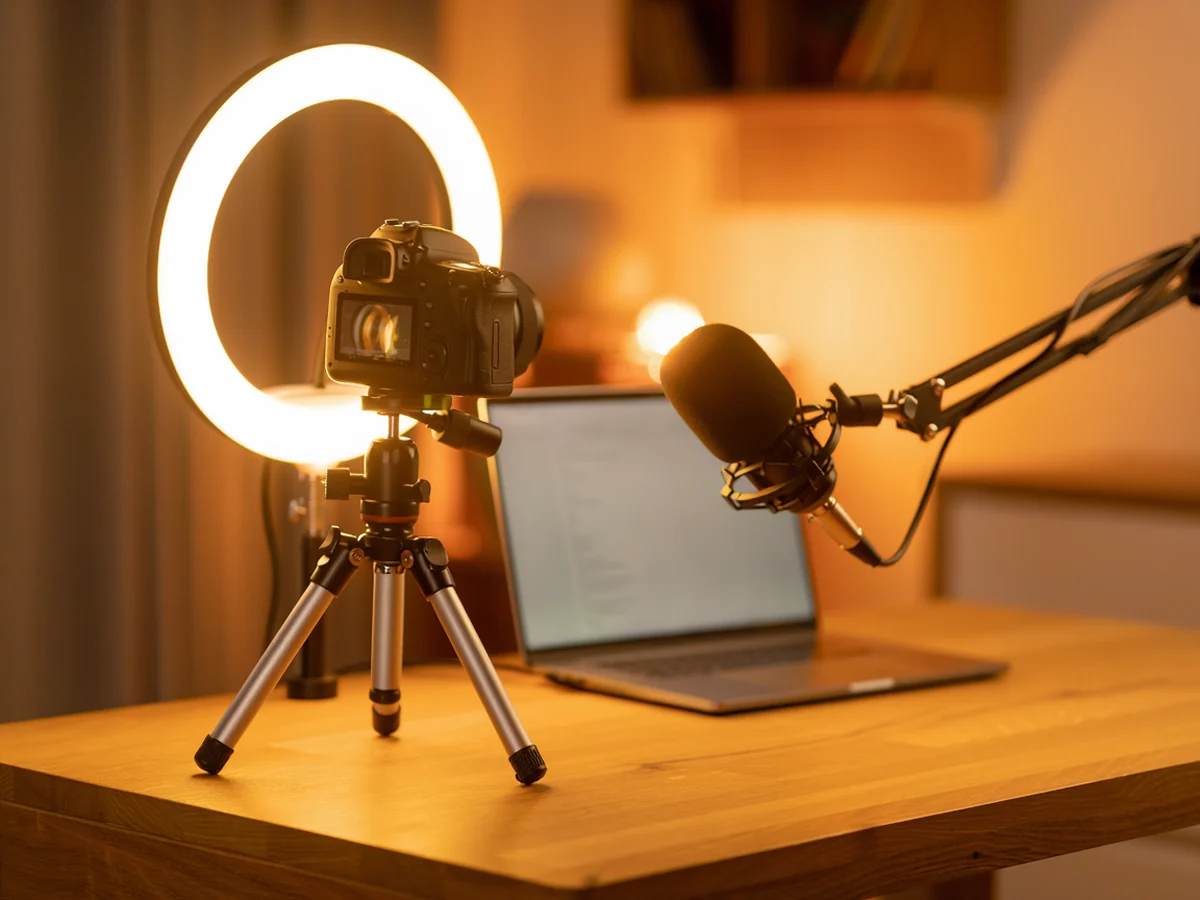
AI in the creator toolkit
Generative AI has become part of everyday YouTube production. Creators use chatbots to brainstorm topics, outline scripts and write titles; image and video generators to create scenes, thumbnails and B-roll; AI voices for narration; music generators for soundtracks; and editing software with AI features to remove silences, add captions and reframe videos for Shorts. For small teams or solo creators, these tools can dramatically cut the time and cost of making videos.
YouTube's own AI tools
YouTube has built AI features into its platform. Dream Screen lets creators generate AI backgrounds and video clips for Shorts using Google's models. Automatic dubbing can translate a video's audio into several other languages, helping creators reach international audiences. YouTube Studio offers AI-generated ideas for videos and titles, and AI helps with comment moderation. Google has said such features are designed to help creators work faster and reach more viewers.
The disclosure rule
In March 2024, YouTube began requiring creators to disclose content that is meaningfully altered or synthetically generated when it seems realistic, for example making a real person appear to say something they did not, altering footage of real events or generating realistic scenes. Creators tick a box during upload, and YouTube adds a label. Clearly unrealistic or animated content, and minor edits such as colour correction or beauty filters, do not need disclosure.
Labels and earnings
YouTube states that disclosing AI content does not limit a video's audience or its eligibility to earn money. For photorealistic content, a label may appear on the video player; for other AI content, the disclosure appears in the expanded description. YouTube may add a label itself if a creator fails to disclose content that could mislead viewers, and creators who repeatedly fail to disclose may face penalties, including removal of content or suspension from the Partner Programme.
Inauthentic content
On 15 July 2025, YouTube updated its monetisation guidelines, renaming its repetitious content policy as inauthentic content to better describe the videos it considers ineligible to earn money. The policy targets mass-produced and repetitive content, such as channels that upload large numbers of near-identical videos with little variation or original value. YouTube clarified that using AI tools does not automatically make content ineligible, but low-effort AI slop is at risk.
What adds value
To stay monetisable, creators are advised to make content that is original and offers viewers genuine value, such as storytelling, commentary, education, analysis or entertainment that reflects human creativity and effort. Using AI to assist with visuals or editing while providing original scripts, narrative and perspective is generally acceptable. Simply reading out AI-generated text over stock images, or reposting AI clips with minimal changes, is more likely to be considered inauthentic.
Protecting likeness
AI makes it easy to imitate real people, including other creators. YouTube allows people to request the removal of AI-generated content that simulates their face or voice through its privacy complaint process, and it has developed likeness-detection tools for creators in its Partner Programme to find videos that use their face without permission. Music partners can also request removal of AI content imitating an artist's unique singing or rapping voice.
Copyright still applies
AI does not exempt creators from copyright rules. Using AI to recreate copyrighted characters, songs or footage can still result in Content ID claims or copyright strikes. Many AI tools have terms specifying who owns the output and whether it can be used commercially, often depending on the subscription plan. Creators should keep records of how their content was made and check the licences of AI tools, music and stock assets they use.
Emotional storytelling with AI
Some of the most successful AI-assisted channels use the technology to tell emotional or imaginative stories that would be too expensive to film, such as short films set in other eras or worlds. Audiences respond to strong narratives, consistent characters, good pacing and sound design, which still depend heavily on human creative choices. Combining AI visuals with original writing, voice performance and careful editing helps such content stand out and comply with platform rules.
Why it matters
YouTube is one of the world's largest creative platforms and a major source of income for millions of creators. Its approach to AI, allowing creative use while requiring transparency and discouraging low-quality mass production, shapes how AI content develops online. For creators, understanding these rules is essential to building a sustainable channel. For viewers, labels and policies help maintain trust in what they watch.
Sources & further reading
- YouTube Help · Disclosing use of altered or synthetic content ↗
- YouTube Blog · How we're helping creators disclose altered or synthetic content (2024) ↗
- eWeek · YouTube to creators: AI is fine, as long as it's authentic (2025) ↗
Platform policies change; check YouTube's Help Centre for the latest rules. Photograph: original AI-generated illustration (Adobe Firefly). Reference organisations do not endorse this website.