The paperwork problem
Electronic health records improved access to information but added a heavy burden. Studies have found that many doctors spend roughly two hours on documentation and computer work for every hour of direct patient care, often finishing notes at home in the evening, sometimes called pyjama time. This workload is a leading driver of burnout, which affects the quality of care and causes some doctors to leave medicine. Reducing documentation time has become one of the most sought-after goals in healthcare.
How ambient scribes work
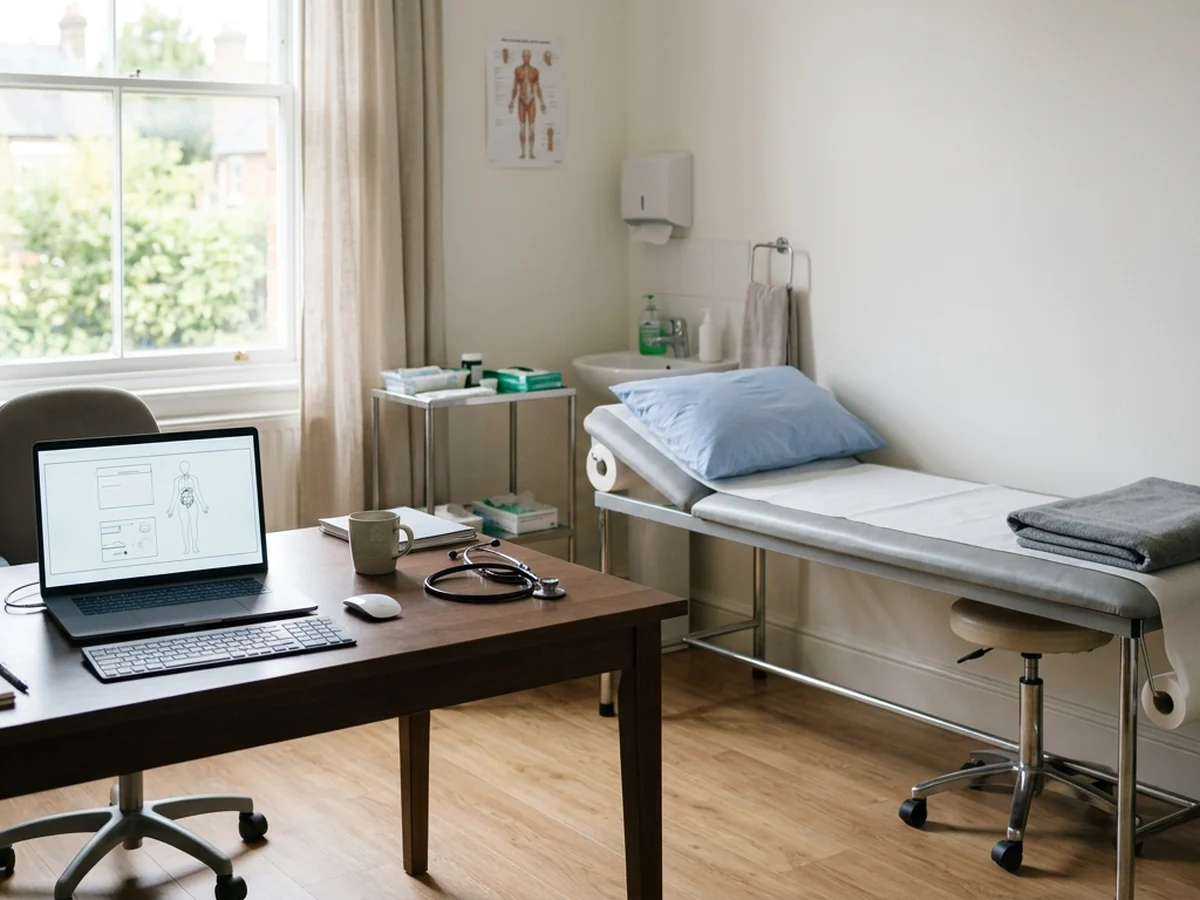
An ambient scribe runs on a phone or computer in the consulting room. With the patient's consent, it captures the conversation, transcribes it and uses language models to produce a structured clinical note: the history, examination findings, assessment and plan. It filters out small talk and organises information into the right sections. The doctor then reviews, edits and signs the note. Some systems also draft referral letters, patient instructions or billing codes for checking.
Rapid adoption
Adoption has been remarkably fast. The Permanente Medical Group in Northern California made ambient AI scribes available to 10,000 physicians at 21 locations in late 2023. Within a year the tool had been used about 2.5 million times, and the group estimated it had saved around 15,000 hours of documentation time, with many physicians saying it improved their conversations with patients. Many other health systems in the United States, Europe and the Middle East have since introduced similar tools.
What the evidence shows
Rigorous studies arrived in 2025. A randomised trial published in NEJM AI, involving 238 physicians across 14 specialties, found that one AI scribe reduced documentation time by nearly 10% compared with usual care, while both tools tested showed potential benefits for burnout. A multi-site study of five health systems found modest reductions of around 16 minutes of documentation time over a measured period and slightly more patient visits. Time savings were real but smaller than early enthusiasm suggested.
The burnout effect
The clearest benefit may be on well-being. A study published in JAMA Network Open in October 2025, covering 263 clinicians in six health systems, found that the share reporting burnout fell from 51.9% to 38.8% after 30 days of using an ambient AI scribe. Clinicians reported less cognitive load, more attention for patients and less after-hours work. Patients in several surveys said their doctors seemed more engaged when not typing throughout the visit.
Accuracy and safety
AI scribes can make mistakes: mishearing medication names, attributing statements to the wrong person, omitting important details or occasionally adding information that was not said. That is why doctors must review every note carefully. Over-reliance is a risk if busy clinicians sign notes without reading them. Health systems typically monitor quality, train clinicians on common errors and choose vendors that meet strict standards for accuracy, security and data handling.
Beyond the clinic room
Similar technology is spreading to other parts of healthcare. Nurses use AI to draft handover notes and care plans, emergency departments test tools that summarise long patient histories, and hospitals use AI to draft replies to patient messages for clinicians to review. Some systems help code visits for billing or check notes for missing information. Each use promises time savings, but each also needs careful evaluation to ensure accuracy and to avoid simply adding new tasks elsewhere.
Privacy and consent
Recording medical conversations raises privacy concerns. Responsible deployments ask patients for consent, explain how the data is used, often delete audio after the note is created, and keep data within secure, compliant systems. Patients can usually decline without affecting their care. In the UAE, health data is protected by specific laws on health information, and hospitals adopting AI tools must comply with national and emirate-level rules on data storage and use.
Why it matters
AI scribes are one of the first generative AI applications to be adopted widely in clinical practice, and they show both the promise and the limits of the technology. They will not solve every problem in healthcare, but giving doctors back some time and attention could improve care and help retain staff. As the tools improve and evidence accumulates, they may become as routine as the stethoscope, quietly handling paperwork so clinicians can focus on patients.
Sources & further reading
- JAMA Network Open · Use of ambient AI scribes to reduce administrative burden and burnout (2025) ↗
- NEJM AI · Ambient AI scribes in clinical practice: a randomized trial (2025) ↗
- AMA · AI scribes save 15,000 hours ↗
Findings come from specific health systems and may vary elsewhere. Photograph: original AI-generated illustration (Adobe Firefly). Reference organisations do not endorse this website.