A business of predictions
Retail runs on predictions. Shops must decide months in advance how many coats, phones or boxes of dates to order, and supermarkets must forecast daily demand for fresh food that spoils quickly. Too little stock means lost sales; too much means waste and discounts. AI forecasting models analyse sales history, seasons, holidays, weather, promotions and local events to predict demand more accurately than traditional methods.
Less waste
For grocery retailers, better forecasts reduce food waste, a major environmental and financial problem. AI systems can recommend order quantities for each store and product and suggest discounts for items nearing their expiry dates. Some retailers use computer vision to monitor shelves and alert staff when products run low or are misplaced. These tools help keep shelves stocked while reducing the amount of food thrown away.
Personal recommendations
Online shops use recommendation engines to suggest products based on browsing history, purchases and the behaviour of similar customers. Personalised emails, offers and home pages are tailored to each shopper. Search engines on shopping sites use AI to understand what customers mean, even with misspellings or vague descriptions, and visual search lets shoppers upload a photo to find similar items.
Prices that change
Dynamic pricing uses AI to adjust prices according to demand, competition, stock levels and time. It is common in airlines, hotels and ride-hailing and increasingly in online retail. Retailers say it helps them stay competitive and clear stock efficiently. Critics worry about fairness and transparency, especially if personalised pricing means different customers pay different prices for the same item based on their data, and some regulators are examining these practices.
Shopping assistants
Generative AI is creating conversational shopping assistants that can answer questions, compare products, summarise reviews and help customers decide. Amazon introduced a shopping assistant called Rufus in 2024, and many retailers have added chatbots to their apps and websites. AI agents that can search for products and complete purchases on a customer's behalf are being tested, which could change how people shop online and how retailers compete for attention.
Robots in the warehouse
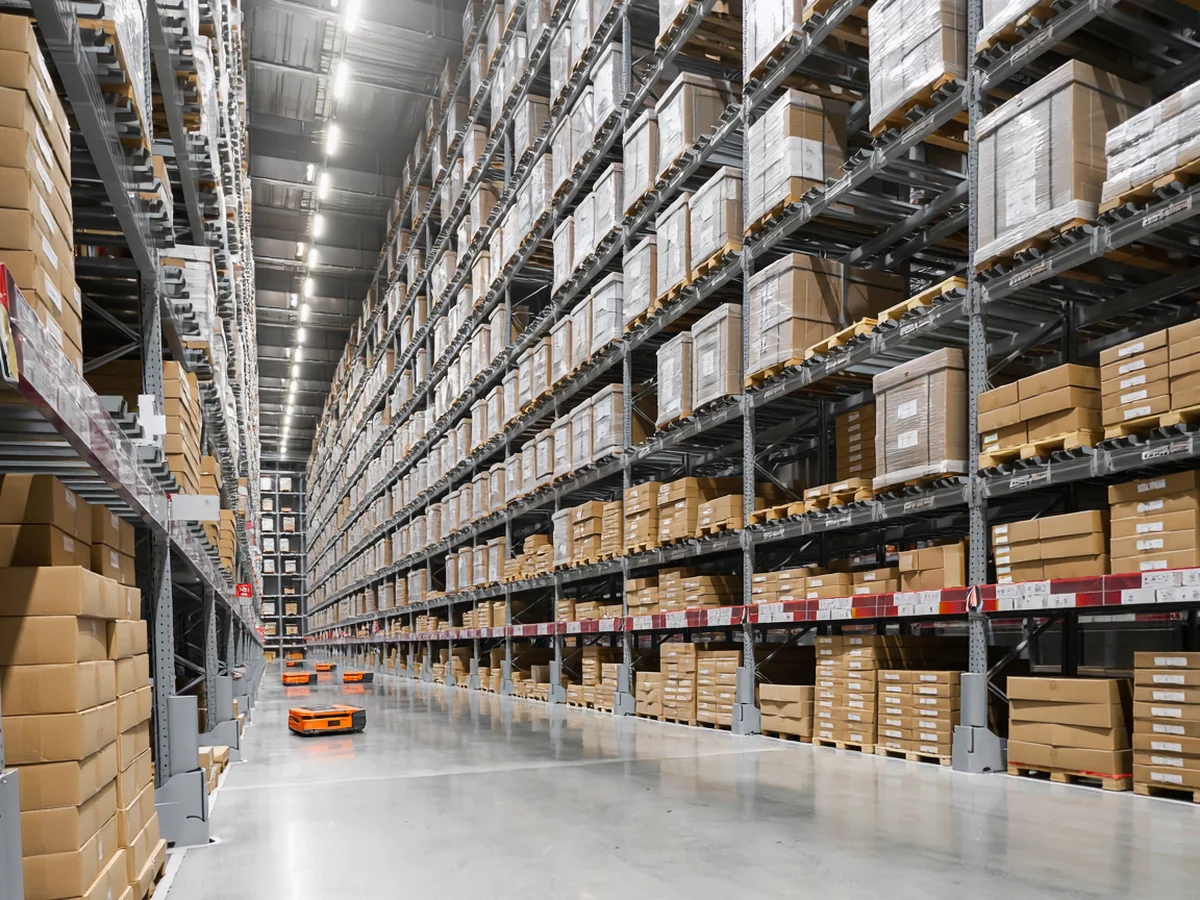
E-commerce depends on fulfilment centres that can pick and pack huge numbers of orders quickly. Amazon began using mobile robots after acquiring Kiva Systems in 2012, and in July 2025 it said it had deployed its one millionth robot across more than 300 facilities, along with an AI model called DeepFleet that it said would make its robot fleet's travel 10% more efficient. Robots carry shelves to human workers, sort parcels and move goods, while AI coordinates their movements. Other retailers and logistics firms use robotic systems for automated storage and picking.
Last-mile delivery
Delivery companies use AI to plan efficient routes, predict delivery times and decide which warehouse should fulfil each order. Some are testing delivery robots and drones. In the UAE, where online shopping is popular and quick delivery is expected, retailers and delivery platforms rely heavily on routing algorithms, and Dubai has tested autonomous delivery robots and drone delivery in selected areas.
Smarter stores
Physical shops are also using AI. Checkout-free stores use cameras and sensors to track items customers pick up and charge them automatically when they leave. Smart carts can scan items as shoppers add them. Retailers analyse anonymised foot traffic patterns to improve store layouts. These technologies raise privacy questions about cameras and data collection, which retailers must address under data protection laws.
Fighting fraud and returns
Online retailers face fraud such as stolen card payments, fake accounts and abuse of return policies. AI models detect suspicious orders and accounts in real time, helping prevent losses while minimising disruption for genuine customers. Retailers also use AI to predict which orders are likely to be returned, for example because of sizing problems, and to offer better size recommendations to reduce returns.
Why it matters
Retail is one of the world's largest employers and a major part of every economy. AI is helping retailers cut waste, lower costs and personalise service, while changing jobs in stores and warehouses. For shoppers, the benefits include convenience, faster delivery and better recommendations; the trade-offs include questions about privacy, pricing fairness and the growing power of the largest online platforms. Shoppers who understand how these systems work can make better use of them.
Sources & further reading
- Amazon · Amazon deploys its one millionth robot (2025) ↗
- TechCrunch · Amazon deploys its 1 millionth robot, releases generative AI model ↗
- McKinsey · How AI is transforming retail ↗
A general overview; company figures are self-reported. Photograph: original AI-generated illustration (Adobe Firefly). Reference organisations do not endorse this website.