The deadliest cancer
Lung cancer is the leading cause of cancer deaths worldwide, according to the World Health Organization. Survival is much higher when it is found early, before it spreads, but symptoms often appear only at a late stage. Screening people at high risk, such as long-term smokers, with low-dose computed tomography scans has been shown to reduce deaths from lung cancer, but many eligible people never get screened.
Meet Sybil
Sybil was developed by researchers at the Abdul Latif Jameel Clinic for Machine Learning in Health at MIT, including Regina Barzilay, together with doctors at the Mass General Cancer Center, including Lecia Sequist, and Chang Gung Memorial Hospital in Taiwan. Named after the prophetesses of ancient Greece, it was described in the Journal of Clinical Oncology in January 2023.
How it works
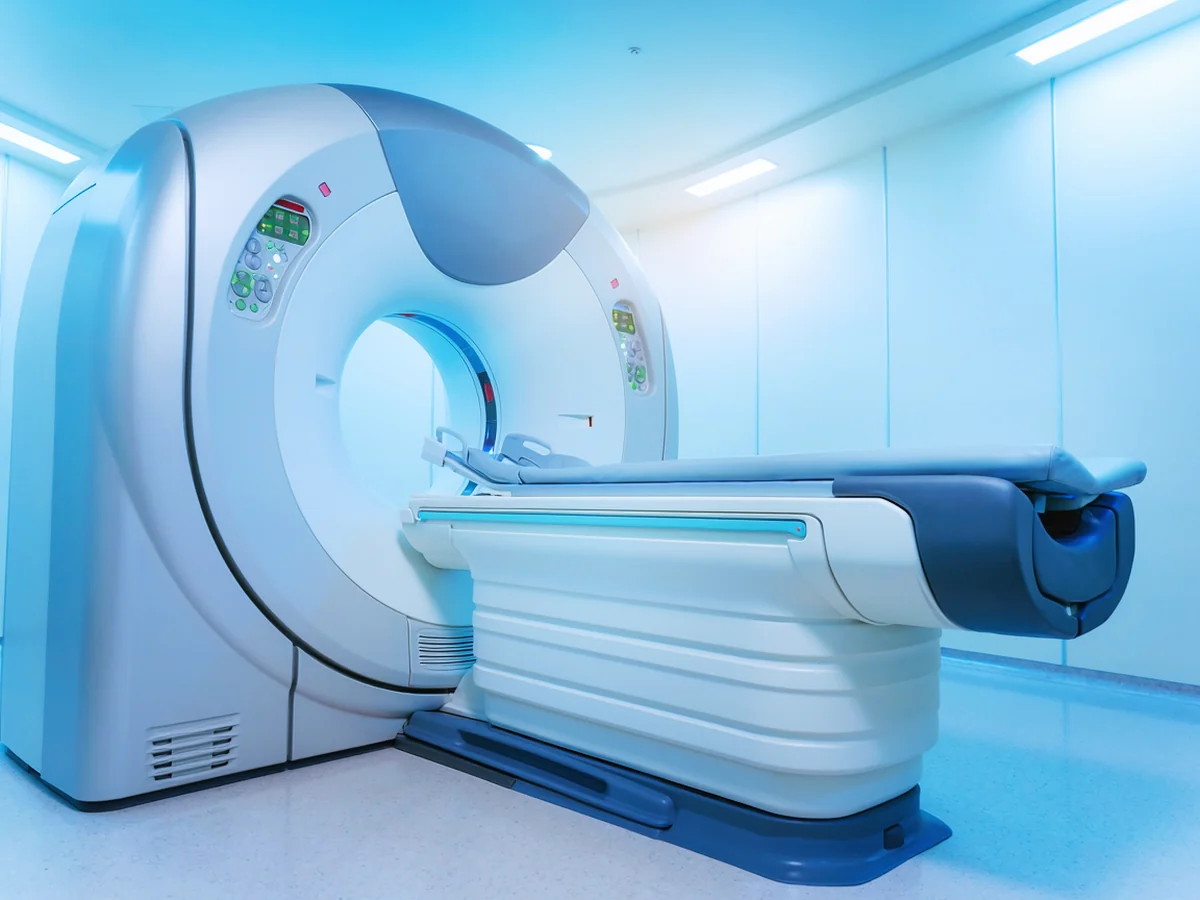
Sybil is a deep learning model that analyses the three-dimensional images from a single low-dose chest CT scan. Unlike many risk calculators, it does not need information such as age, smoking history or family history, and it does not need a radiologist to mark anything on the scan. It runs in the background as soon as the scan is available and estimates the risk of lung cancer in each of the next six years.
Trained on a big trial
The researchers trained Sybil using scans from the National Lung Screening Trial, a large US study in which tens of thousands of people at high risk had CT screening. Because the trial followed participants for years, the researchers knew which people later developed lung cancer. Sybil learned to spot subtle patterns in earlier scans that were linked to future cancers, often in areas where radiologists saw nothing suspicious.
How accurate is it?
In testing, Sybil predicted lung cancer within one year with an AUC, a standard measure of accuracy, of 0.92 on trial data, 0.86 on scans from Mass General and 0.94 on scans from Chang Gung Memorial Hospital in Taiwan. For six-year predictions, its concordance index ranged from 0.75 to 0.81. Performance was similar regardless of sex, age and smoking history, the researchers reported.
Why it could help
Today, people who have a clear scan are usually told to return in a year. A tool like Sybil could personalise screening, suggesting more frequent scans for those at higher risk and less frequent ones for those at very low risk, reducing unnecessary radiation and costs. It could also help identify risk in people who have never smoked, among whom lung cancer is increasingly diagnosed, particularly women in Asia.
Testing in the real world
The researchers have stressed that Sybil needs further studies before it is used to make decisions about patients. Prospective studies, in which the AI is used as patients are screened and outcomes are followed, have been planned or started in several countries. Researchers are also testing it in populations that were not well represented in the original data, such as non-smokers and people of different ethnic backgrounds.
Part of a wider trend
Sybil is one of several AI tools designed to predict cancer risk from medical images. Barzilay's team previously developed Mirai, which predicts breast cancer risk from mammograms. Other researchers are building AI to predict pancreatic cancer from routine scans and health records, and to estimate cancer risk from blood tests. These tools aim to shift medicine from detecting cancer to anticipating it, giving doctors and patients more time to act.
Lung cancer in the UAE and Gulf
Lung cancer is among the most common cancers in men in the UAE and the region, and smoking, including tobacco in shisha, is a major risk factor. Health authorities in the UAE have expanded cancer screening programmes and invested in AI for medical imaging. Tools like Sybil, if validated in local populations, could help target screening to those who would benefit most.
Why it matters
Catching lung cancer early saves lives, and AI may help doctors find those at highest risk years before a tumour becomes visible. Sybil shows how AI can extract hidden information from images that doctors already collect. With careful testing to confirm its benefits and fairness, it could make screening more effective, personal and efficient for millions of people around the world.
Sources & further reading
- Journal of Clinical Oncology · Sybil: a validated deep learning model to predict future lung cancer risk (2023) ↗
- MIT News · MIT researchers develop an AI model that can detect future lung cancer risk (2023) ↗
- Mass General · Artificial intelligence tool developed to predict risk of lung cancer (2023) ↗
General information, not medical advice. Ask your doctor about lung cancer screening. Photograph: original AI-generated illustration (Adobe Firefly). Reference organisations do not endorse this website.