A biodiversity crisis
Wildlife populations have declined sharply in recent decades. WWF's Living Planet Report 2024 found an average decline of 73% in monitored wildlife populations since 1970. Conservation organisations and governments need accurate information about where species live, how populations are changing and what threats they face, but monitoring vast and remote areas is difficult and expensive. AI is helping to close this information gap.
Camera traps
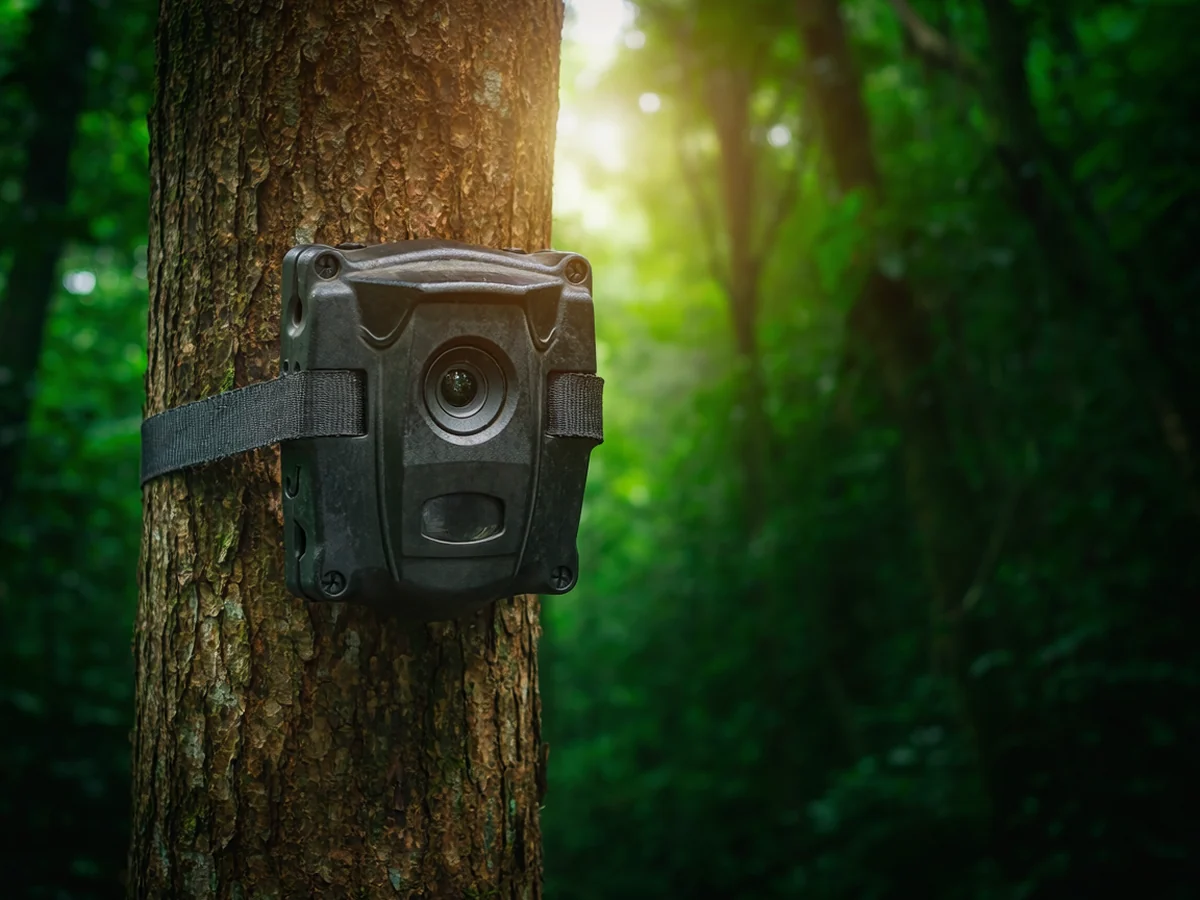
Camera traps, cameras triggered by movement, are widely used to study elusive animals. A single project can produce millions of images, many showing nothing but moving vegetation. Reviewing them by hand can take years. AI models can automatically filter out empty images and identify species. Wildlife Insights, launched in 2019 by Google, Conservation International and partners, provides a platform for researchers to upload camera trap images and classify them with AI.
Listening to nature
Bioacoustics uses microphones to record the sounds of ecosystems. AI can identify the calls of birds, frogs, insects, bats and whales, revealing which species are present and how active they are. Some systems detect the sounds of chainsaws or gunshots in real time and alert rangers to possible illegal logging or poaching. Researchers studying elephants have used AI to analyse their rumbling calls, helping track herds across forests where they are hard to see.
Counting from above
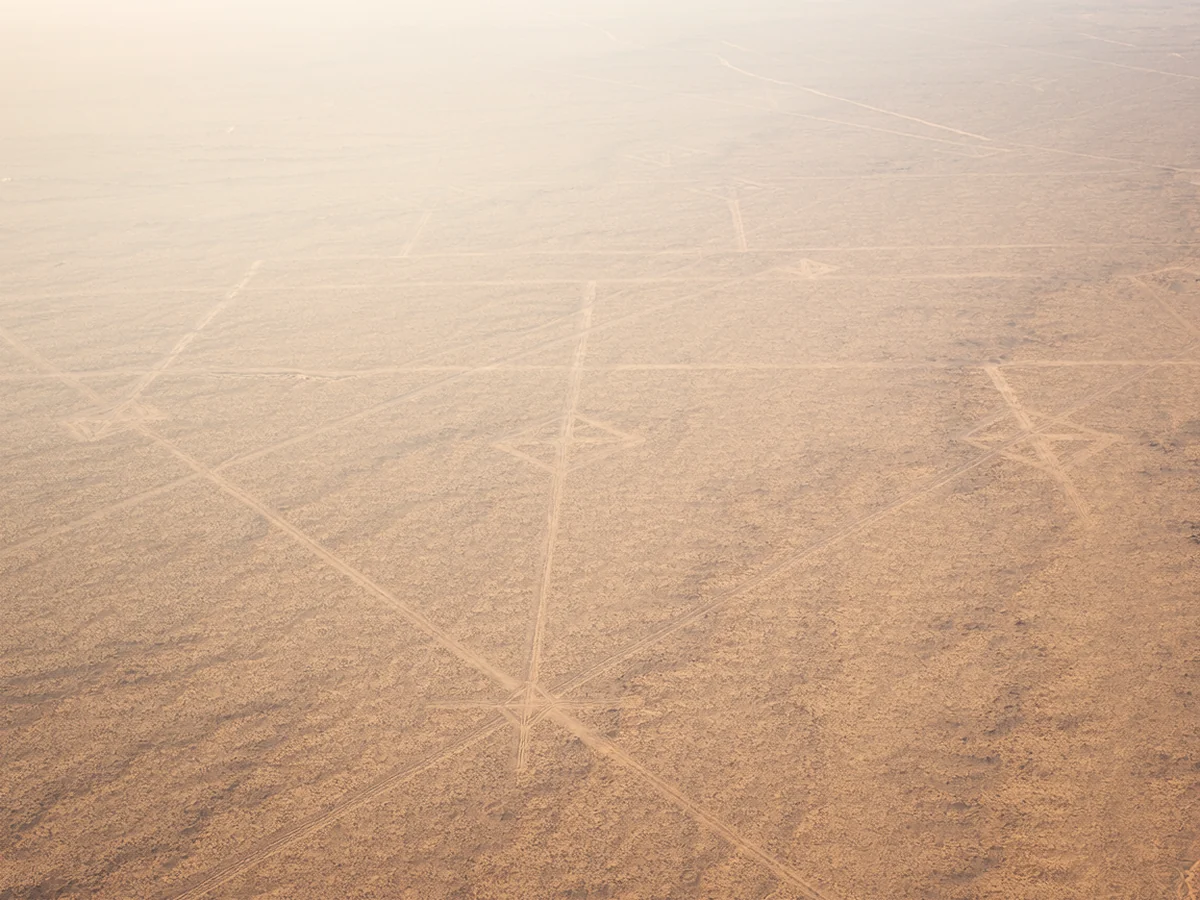
Drones and high-resolution satellite images allow scientists to survey large areas quickly. AI can count animals such as elephants, seabirds, seals and whales in aerial images, and detect changes in habitat such as deforestation or the spread of farmland. Researchers have even used satellite images and AI to count whales from space. These methods are faster, safer and often more accurate than traditional ground or aircraft surveys.
Predicting poaching
Poaching threatens species such as elephants, rhinos and pangolins. Researchers have developed AI tools, such as the PAWS system, that analyse past patrol data, terrain and records of poaching activity to predict where poachers are most likely to set snares or hunt. Rangers can then plan patrols to cover high-risk areas. Field trials in protected areas in Uganda, Cambodia and elsewhere found that patrols guided by such predictions found more snares.
Recognising individuals
Many animals have unique markings, such as the stripes of zebras, the spots of whale sharks and giraffes or the shapes of whale tails and dolphin fins. AI can match photos of these markings to identify individual animals, allowing scientists to track them over time and estimate population sizes. Projects collect photos from researchers, tourists and citizen scientists, building databases that would be impossible to manage manually.
Fighting wildlife trafficking
Illegal wildlife trade is a multi-billion dollar criminal business. AI helps detect suspicious online advertisements for protected species, analyse shipping data for signs of smuggling and identify wildlife products in X-ray images at borders. Technology companies and conservation groups have worked together to remove illegal wildlife listings from online marketplaces and social media platforms.
Conservation in the UAE
The UAE has invested in protecting species such as the Arabian oryx, dugongs, sea turtles, falcons and the critically endangered Arabian leopard, which survives in small numbers in the region. The Environment Agency – Abu Dhabi uses satellite tracking, aerial surveys and data analysis to monitor wildlife and habitats, including one of the world's largest dugong populations in Abu Dhabi's waters. AI tools can help analyse these growing datasets more quickly.
Limits
AI tools require training data, which can be scarce for rare species or particular regions, and models trained in one place may not work well elsewhere. Equipment such as cameras, drones and sensors must survive harsh conditions and needs power and connectivity. Most importantly, technology does not replace the need for funding, rangers, local communities and policies that address the root causes of biodiversity loss, such as habitat destruction.
Why it matters
Protecting biodiversity is essential for healthy ecosystems, food security, climate stability and human wellbeing. AI gives conservationists the ability to monitor nature at a scale and speed never possible before, turning millions of images and recordings into knowledge that can guide action. Used alongside traditional fieldwork and community involvement, it is becoming one of conservation's most valuable allies, helping people protect the natural world for future generations.
Sources & further reading
A general overview; technologies vary between projects. Photograph: original AI-generated illustration (Adobe Firefly). Reference organisations do not endorse this website.