A bold promise
In January 2020, Microsoft announced that by 2030 it would be carbon negative, removing more carbon dioxide from the atmosphere than it emits, and that by 2050 it would remove all the carbon it had emitted since its founding in 1975. It later added goals to be water positive, replenishing more water than it consumes, and zero waste by 2030. At the time, the commitments were among the most ambitious of any large company.
The AI surge
Since then, Microsoft has become one of the world's biggest builders of AI infrastructure, spending tens of billions of dollars a year on data centres, many of them to run OpenAI's models and its own Copilot services. Building data centres requires steel, concrete and chips, all of which produce emissions, and running them requires vast amounts of electricity. As a result, Microsoft's emissions have risen rather than fallen.
The numbers
In its 2026 Environmental Sustainability Report, covering fiscal year 2025, Microsoft reported total emissions of about 20.3 million tonnes of carbon dioxide equivalent, up about 25% from 16.2 million tonnes the year before and roughly 58% above its 2020 baseline. Most of its footprint comes from scope 3 emissions in its supply chain, but electricity-related emissions grew sharply as new data centres came online in places where clean power was not yet available.
Buying clean electricity
Microsoft has signed agreements for large amounts of carbon-free electricity. It reported that its renewable and clean energy agreements covered up to about 40 gigawatts across 26 countries, with around 19 gigawatts operating. These include solar and wind farms, as well as a deal to restart a reactor at the Three Mile Island nuclear plant in Pennsylvania, renamed the Crane Clean Energy Center, and an agreement to buy power from a future fusion plant being developed by Helion.
The carbon removal giant
Because some emissions are hard to eliminate, Microsoft plans to pay for carbon removal: projects that take carbon dioxide out of the air and store it. It has become the world's largest buyer, contracting nearly 22 million tonnes of removals in fiscal 2024 alone. These include reforestation, direct air capture machines, enhanced rock weathering and bioenergy plants that capture their emissions. Its purchases are helping the young carbon removal industry grow, though prices and quality vary widely.
Water positive
Data centres can use water for cooling, which is a concern in dry regions. Microsoft has designed new data centres that use closed-loop liquid cooling and consume almost no water for cooling, saving an estimated 125,000 cubic metres per facility each year. It also funds projects that replenish water in stressed areas. In fiscal 2025, the company said it replenished more water globally than it withdrew for the first time, more than 14 million cubic metres.
Greener construction
Microsoft is testing low-carbon building materials, such as cross-laminated timber and concrete made with less cement, for data centres. It has invested in green steel and sustainable aviation fuel through its Climate Innovation Fund, a one billion dollar programme launched in 2020 to accelerate climate technologies. It also requires many suppliers to use carbon-free electricity for the goods and services they provide to Microsoft.
Still committed
Microsoft's chief sustainability officer, Melanie Nakagawa, has said the company remains focused on reaching carbon negativity by 2030, while acknowledging that sustainability solutions are not scaling as fast as AI demand. Microsoft argues that AI can also help the climate, by improving energy grids, accelerating materials discovery and helping companies measure emissions. Its leaders describe reaching the 2030 goal as more difficult but still possible.
Sceptics
Some climate experts argue that relying on carbon removal to offset rising emissions is risky, since removal is expensive, hard to verify and not yet available at the scale needed. Others note that tech companies' rapid growth in electricity demand may slow the retirement of fossil fuel power plants in some regions. Supporters counter that Microsoft's spending is helping to create markets for clean energy and carbon removal that will benefit everyone.
Why it matters
Microsoft's experience shows the tension between AI's rapid expansion and climate goals set before the AI boom. Its transparency about rising emissions, and its large investments in clean power, water replenishment and carbon removal, make it a closely watched test case. If Microsoft can meet its pledges while building AI at massive scale, it will show that AI and climate commitments can be compatible. If not, it will be an important lesson for the industry.
Sources & further reading
- Microsoft · 2025 Environmental Sustainability Report ↗
- Microsoft · Responsibly building the AI future (2026 report) ↗
- Tom's Hardware · Microsoft struggles to fulfill its 2030 sustainability promise ↗
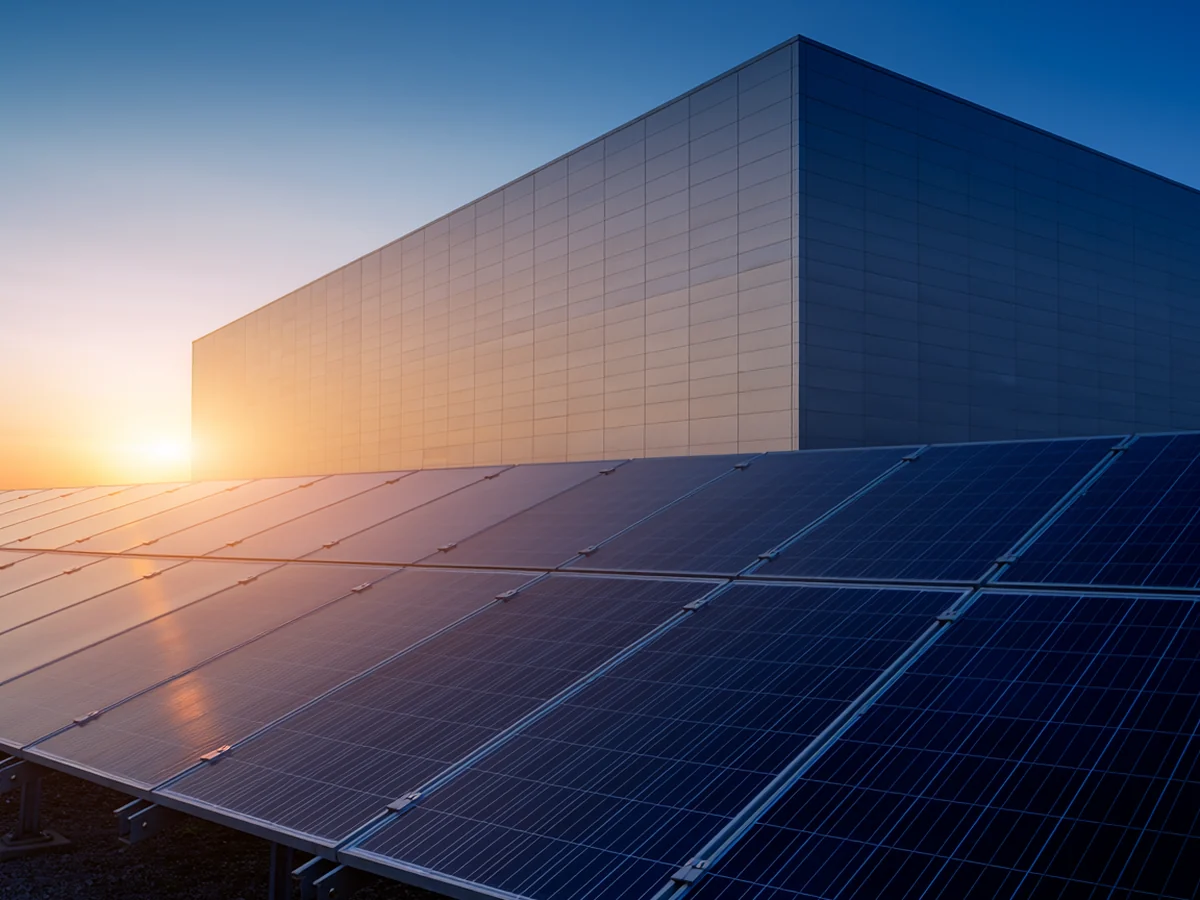
Figures are company-reported; fiscal years end in June. Photograph: original AI-generated illustration (Adobe Firefly). Reference organisations do not endorse this website.