How humans communicate
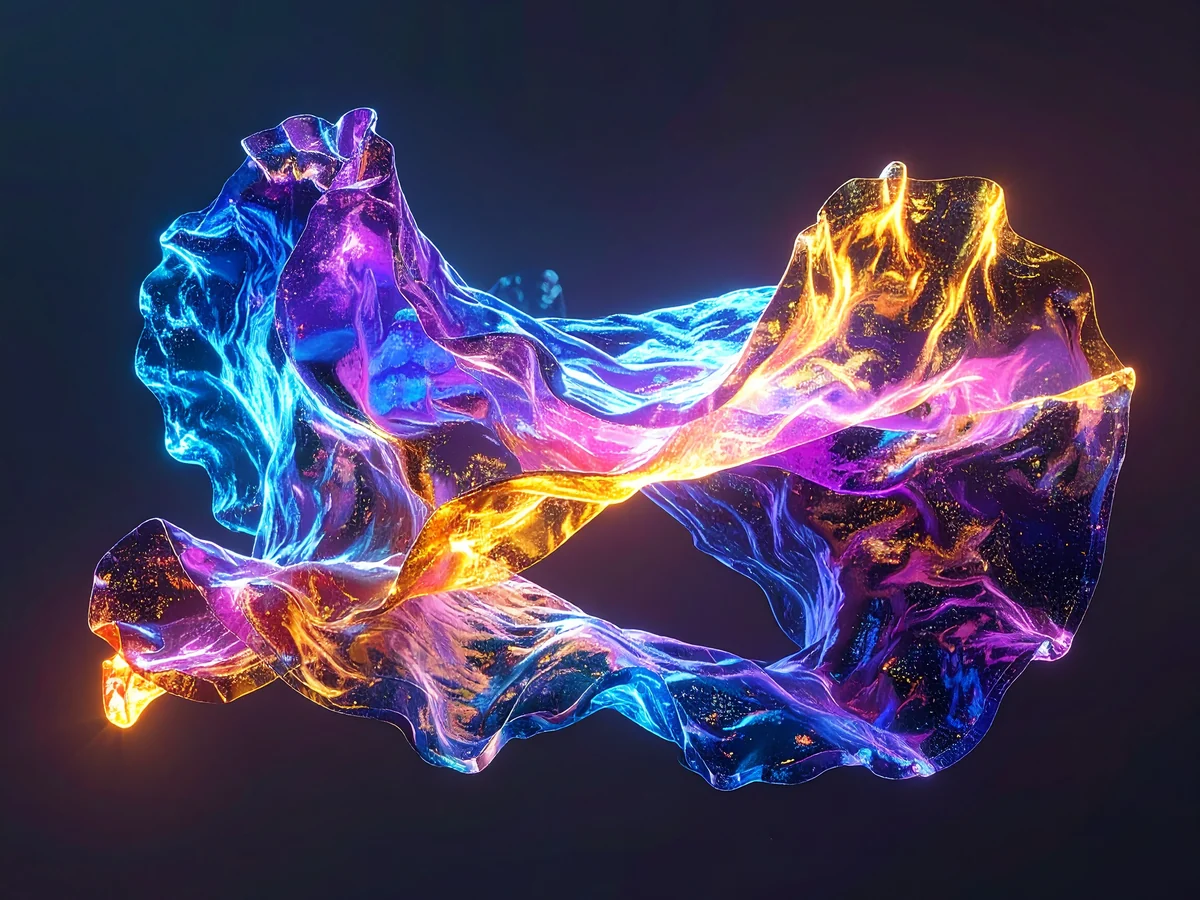
People understand the world through many senses at once: we read, look, listen and speak, often combining them, such as pointing at something while asking about it. Early AI systems were typically limited to one kind of data: a translation system for text, an image classifier for pictures, a speech recogniser for audio. Multimodal AI aims to combine these abilities in a single system that can understand and respond across different forms of information.
How it works
Multimodal models convert different kinds of data into a common numerical form that the model can process together. Images are split into small patches, audio into short segments, and each is turned into tokens similar to those used for text. A transformer then processes all these tokens jointly, learning connections between words, visual features and sounds. Training on huge collections of paired data, such as images with captions, teaches the model how they relate.
Seeing and understanding
With vision abilities, AI can describe photos, read handwriting, interpret charts and diagrams, identify plants or landmarks, solve maths problems from a photo of a worksheet, analyse screenshots and extract information from receipts or forms. These abilities are useful for accessibility, helping blind and partially sighted people understand images, and for many business tasks such as processing documents.
Talking naturally
Multimodal models with audio abilities can hold spoken conversations, understanding not only words but tone and pace and responding with natural-sounding speech, sometimes with very little delay. In 2024, OpenAI demonstrated GPT-4o, a model that processes text, audio and images in one system, enabling voice conversations that feel more natural. Google, Anthropic and others have released models with similar abilities.
Understanding video
Some models can analyse video, answering questions about what happens in a clip, summarising long recordings or finding specific moments. This is useful for reviewing meeting recordings, lectures, security footage, product demonstrations or sports matches, and can save hours of watching. Google's Gemini models were designed from the start to handle long videos and other media alongside text. Video understanding requires processing large amounts of data, so it remains computationally demanding.
Creating across modes
Multimodal AI can also generate different types of content: images from text descriptions, speech from text, music, and video. Some models can edit images based on instructions, such as changing the background of a photo or adding objects, by understanding both the image and the request. Combining understanding and generation in one model allows more flexible creative tools for designers, teachers and small businesses.
Robots and the physical world
Multimodal AI is important for robotics. Robots need to see their surroundings, understand spoken instructions and act. Researchers have built vision-language-action models that connect camera images and language commands with robot movements, allowing robots to follow instructions such as pick up the red cup. This approach is helping robots perform a wider variety of tasks in homes, warehouses and factories.
Challenges
Multimodal AI can make errors, such as misreading text in images, misidentifying objects or misunderstanding context in photos. It can be fooled by manipulated images. Processing images, audio and video raises privacy concerns, since cameras and microphones can capture information about people who have not consented. Developers add safeguards, such as refusing to identify people in images based on their faces.
Everyday uses
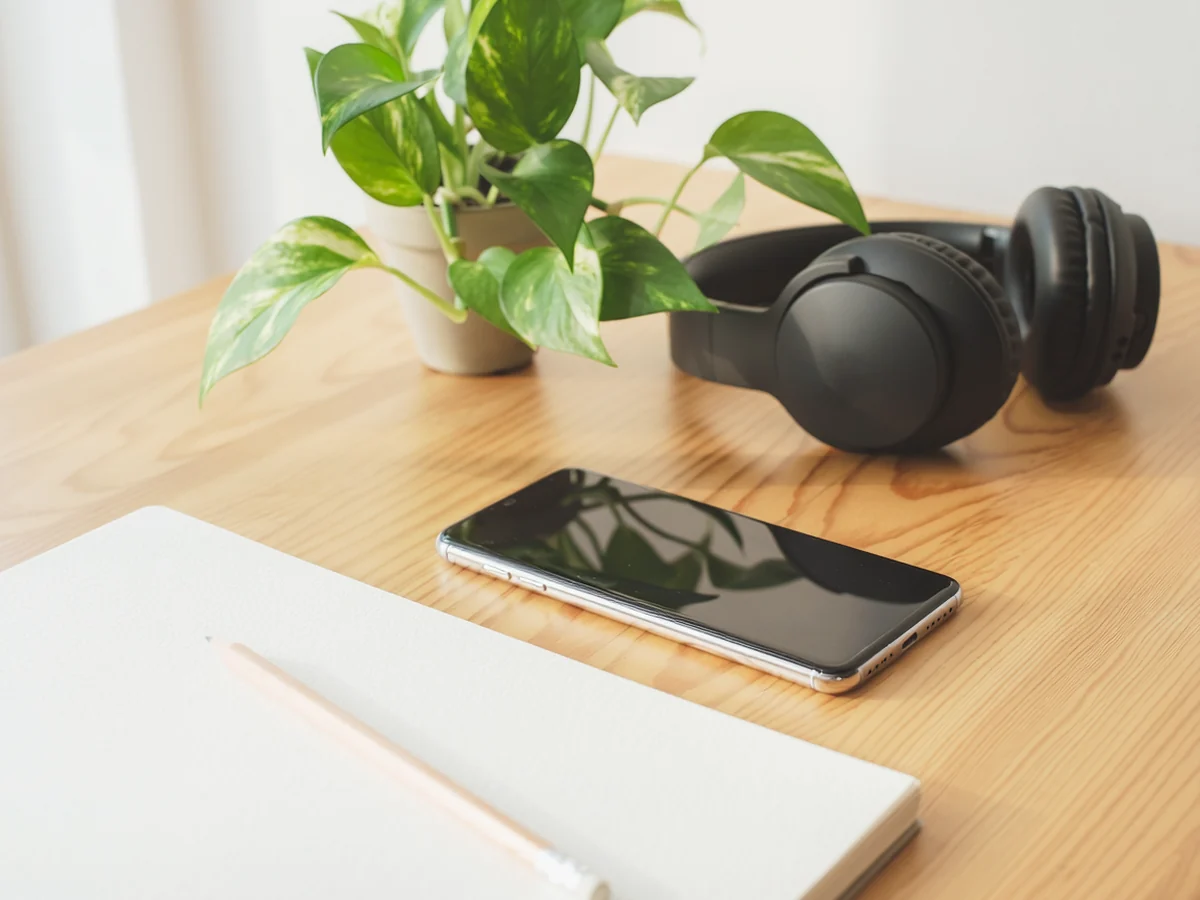
Many people already use multimodal AI: pointing their phone camera at a sign to translate it, photographing a broken appliance to ask how to fix it, asking an assistant about a picture, using voice mode while driving or cooking, or having AI summarise a video. In the UAE, where people communicate in many languages, camera translation and voice assistants that handle Arabic and English are particularly useful.
Why it matters
Multimodal AI makes computers far more natural and useful to interact with, removing the need to type or describe everything in words. It enables new applications in accessibility, education, healthcare, robotics and creativity. As AI increasingly sees, hears and speaks, it is becoming a more capable assistant, and also one that requires careful attention to privacy and accuracy. Users should check important details, such as numbers read from images, before relying on them.
Sources & further reading
- OpenAI · Hello GPT-4o (2024) ↗
- Google DeepMind · Gemini ↗
- Google DeepMind · RT-2: new model translates vision and language into action (2023) ↗
Capabilities vary between models and products. Photograph: original AI-generated illustration (Adobe Firefly). Reference organisations do not endorse this website.