A labour of love
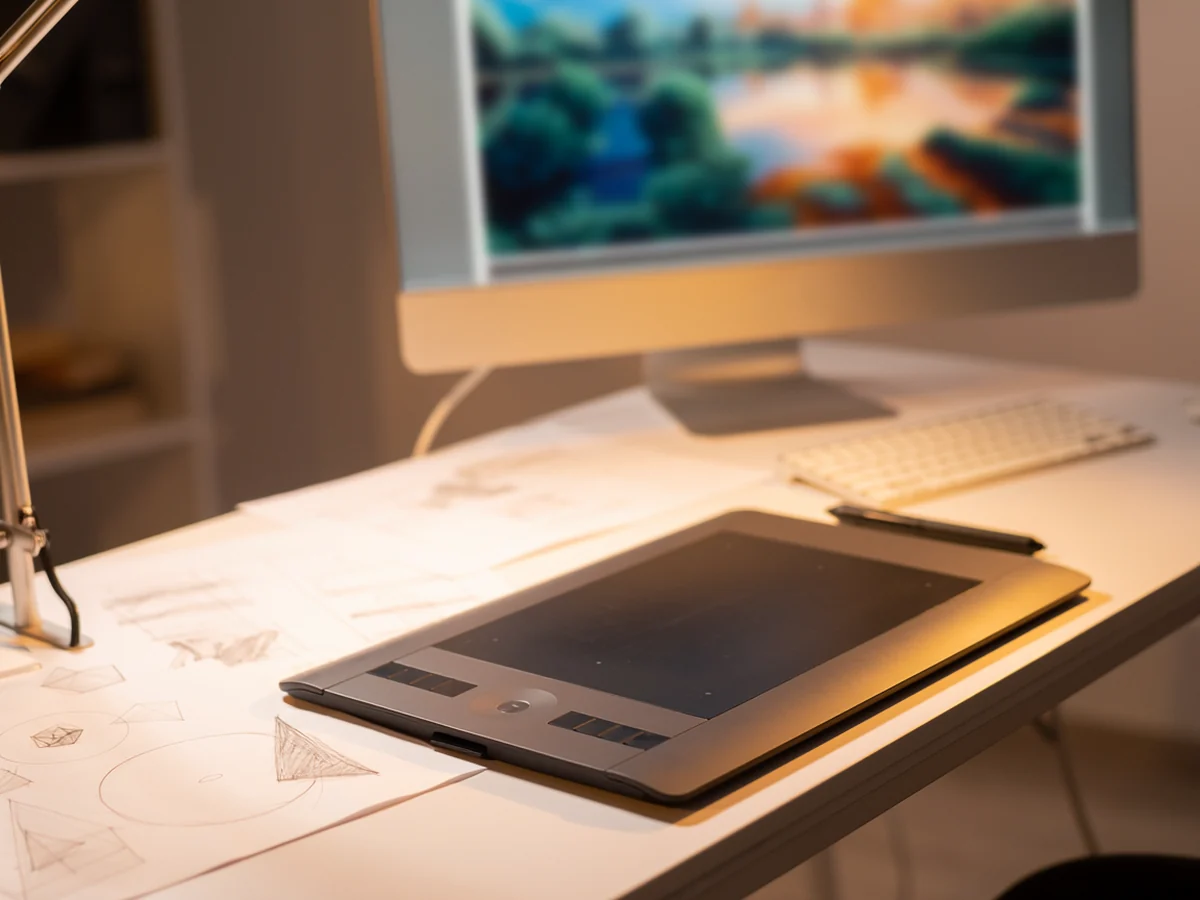
Traditional animation requires enormous effort. Each second of hand-drawn animation can contain up to 24 frames, and even with modern digital tools, artists must draw key poses, in-between frames, backgrounds and colours. Computer-animated films require teams of modellers, animators, lighting artists and technical specialists. Producing a feature film or a television series can take years and hundreds of skilled people.
Pressure on anime
Japan's anime industry is world-famous and growing rapidly in global popularity, but many animators work long hours for low pay, and studios struggle to find enough staff to meet demand from streaming services. Industry groups and government reports have highlighted labour shortages. Some studios see AI as a way to reduce repetitive work, while critics fear it could be used to cut costs further rather than improve working conditions.
The Dog and the Boy
In January 2023, Netflix Japan released a short animated film, The Dog and the Boy, produced with the AI company Rinna and the studio WIT Studio, which used AI to generate background images. Netflix said the project was an experiment to help the anime industry, which faced a labour shortage. The credits listed the background designer as AI plus human. Many artists and fans criticised the film, arguing that it devalued background artists' work.
Studios experiment
Other studios have explored AI more cautiously. Some major anime and animation companies have said they are studying AI for tasks such as colouring, cleaning up line art, generating in-between frames and creating backgrounds, while keeping key creative work in human hands. In Western animation, studios use machine learning for tasks such as simulating crowds, hair and water, improving lighting and speeding up rendering.
The Ghibli trend
In March 2025, after OpenAI added advanced image generation to ChatGPT, millions of people used it to turn their photos into images resembling the hand-drawn style of Japan's Studio Ghibli, famous for films by Hayao Miyazaki. The trend went viral worldwide. Critics pointed out that Miyazaki had once strongly criticised an AI animation demonstration, and the trend sparked debate about whether imitating a studio's distinctive style without permission was fair.
Style and copyright
Copyright laws generally protect specific works, such as particular drawings or characters, rather than artistic styles. This means imitating a style may be legal in many places, even if many artists consider it unfair. Artists argue that AI models learned these styles by training on their work without consent or payment. Lawsuits by artists against AI image companies are testing these questions, and some companies have added policies limiting imitation of living artists.
Tools that help artists
Not all AI in animation replaces artists. Some tools are designed to support them, such as software that suggests in-between frames that animators then adjust, automatic colouring that artists correct, or tools that help independent creators with small budgets produce animation they could not otherwise make. Many animators say they are open to AI that handles tedious tasks, as long as they keep creative control and credit.
AI-generated animation
Fully AI-generated animation is also emerging, with video generators able to create short animated clips from text descriptions. Independent creators use these tools to produce animated stories and music videos. Results can be impressive but often lack consistency, character continuity and the expressive intention of human animation. Audiences and critics continue to debate whether such works can match the emotional depth of animation made by people.
Animation in the Arab world
The Arab world has a growing animation industry, with studios in the UAE, Saudi Arabia and elsewhere producing content for regional and global audiences, often supported by government initiatives for creative industries. AI tools could help smaller studios compete by reducing costs and speeding up production, including dubbing into Arabic dialects. The same debates about artists' rights and quality apply in the region.
Why it matters
Animation is an art form that has delighted children and adults for more than a century, built on the skill of countless artists. AI could reduce drudgery and help more stories reach the screen, but it also threatens livelihoods and raises questions about creativity and consent. How studios use AI, and whether they share its benefits with artists, will shape the future of animation.
Sources & further reading
Overview of an evolving debate. Photograph: original AI-generated illustration (Adobe Firefly). Reference organisations do not endorse this website.