Too many choices
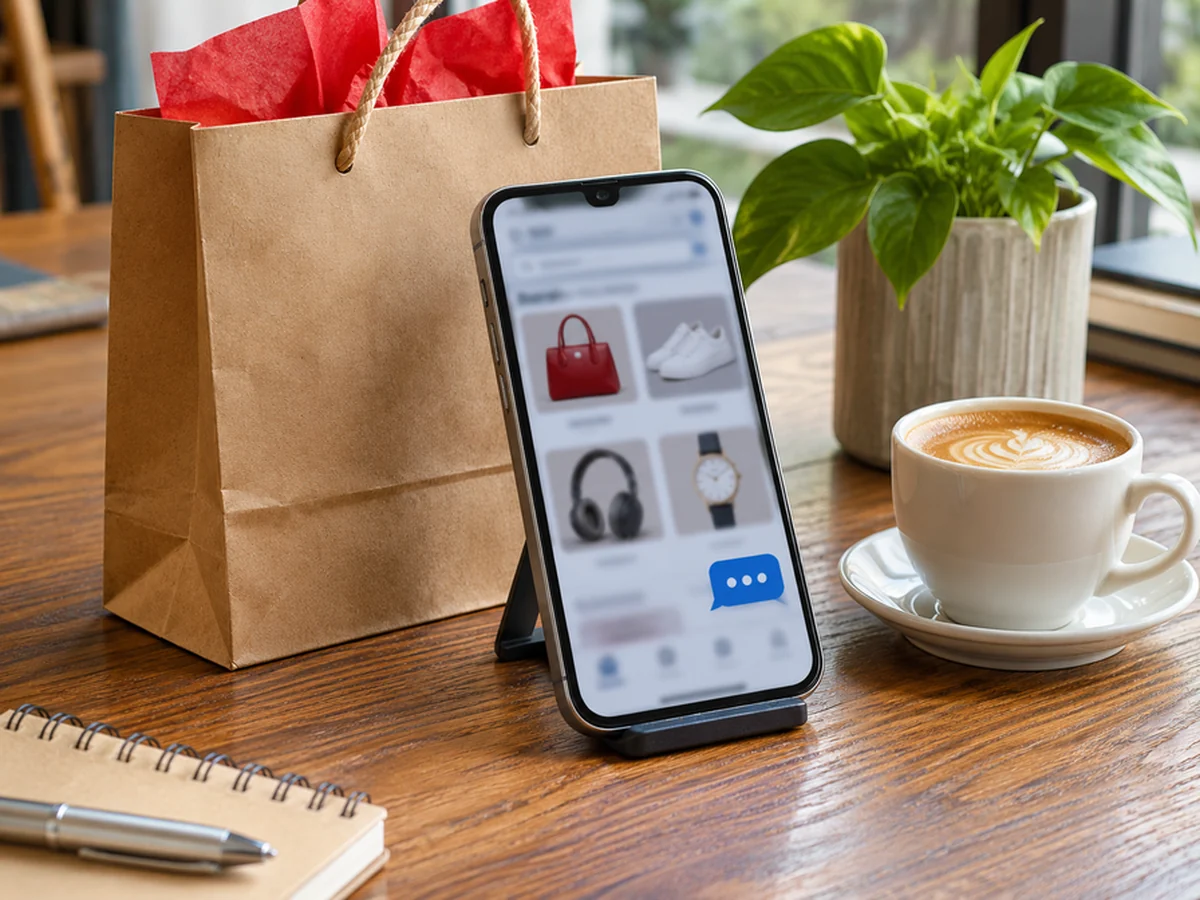
Online shops offer millions of products, and choosing between them can be overwhelming. Shoppers have traditionally relied on search filters, product descriptions and customer reviews, which take time to read. Generative AI offers a new approach: an assistant that people can ask questions in plain language, such as which running shoes suit flat feet or what to consider when buying a coffee machine, and that answers using product information and reviews.
Rufus arrives
Amazon launched its generative AI shopping assistant, named Rufus after a dog that used to come to work with early Amazon employees, in early 2024, and made it widely available in the United States later that year. It answers questions about products, compares items, summarises reviews, suggests gift ideas and tracks orders. Amazon built it using its own models and its cloud AI service, and expanded it to other countries.
The numbers
In its third-quarter 2025 results, Amazon said that 250 million customers had used Rufus that year, that monthly users had grown by 140% and interactions by 210% compared with a year earlier, and that customers who used Rufus while shopping were more than 60% more likely to complete a purchase. Chief executive Andy Jassy said Rufus was expected to generate more than 10 billion dollars in additional annual sales.
A new name
On 13 May 2026, Amazon renamed Rufus as Alexa for Shopping, bringing it together with its Alexa voice assistant brand, which had been rebuilt with generative AI as Alexa+. The change reflected Amazon's strategy of offering one AI assistant across its devices and services, from Echo speakers to the shopping app, so that customers can shop by voice, text or images.
Shopping agents
The next step is agentic shopping, in which AI does not just advise but acts. Amazon introduced features that let its assistant buy items when prices fall below a set level, add items from a photographed shopping list to a basket and even buy products from other websites on customers' behalf. OpenAI, Google and Perplexity have also launched shopping features that let users find and buy products through their chatbots.
Benefits for shoppers
AI assistants can save time, help people understand technical products, highlight common complaints in reviews and suggest options they might not have found. They can be especially helpful for people who find searching difficult, such as those with visual impairments or limited reading skills, and they can answer questions in many languages. Shopping by conversation can feel more natural than using filters and menus.
Questions to ask
Shopping assistants are built by retailers who want to sell products, so their recommendations may favour items that are profitable for the retailer, its own brands or sponsored listings. Regulators in several countries are examining whether AI recommendations are transparent and fair. AI summaries of reviews can miss nuances, and assistants can make mistakes about product details, so checking important information is wise.
Privacy
To give personalised advice, shopping assistants use data about what customers have bought, searched for and asked. This can make recommendations more useful, but raises privacy questions about how data is stored and used. Shoppers can review privacy settings and order histories. In the UAE, the personal data protection law sets rules on how companies collect and process personal information.
Shopping in the Gulf
The UAE and Saudi Arabia have some of the world's fastest-growing e-commerce markets, with high smartphone use and many young, digitally savvy consumers. Regional platforms such as Noon, as well as Amazon's local sites, are adding AI features for search, recommendations and customer service, often in both Arabic and English. AI shopping tools are likely to become a normal part of online shopping in the region.
Why it matters
AI shopping assistants are changing how people discover and buy products, potentially shifting power towards the companies that control the assistants. They can make shopping easier and smarter, but they also influence what we buy. Understanding how these tools work, and asking whether recommendations serve the shopper or the seller, helps people use them wisely.
Sources & further reading
- Amazon · How Amazon is using generative and agentic AI to transform the shopping experience ↗
- Fortune · Amazon says Rufus is on pace to pull in an extra 10 billion dollars in sales (2025) ↗
- AWS · How Rufus scales conversational shopping experiences with Amazon Bedrock ↗
An independent overview; Alexa and Rufus are trademarks of Amazon. Photograph: original AI-generated illustration (Adobe Firefly). Reference organisations do not endorse this website.