The language barrier
Online video reaches billions of people, but most videos are made in only one language. Subtitles help, but many viewers prefer to listen, and children or people who find reading difficult may struggle with subtitles. Traditional dubbing, in which actors record a translated soundtrack, produces high-quality results but is expensive and slow, so it has mostly been used for films and major television series rather than everyday videos.
How AI dubbing works
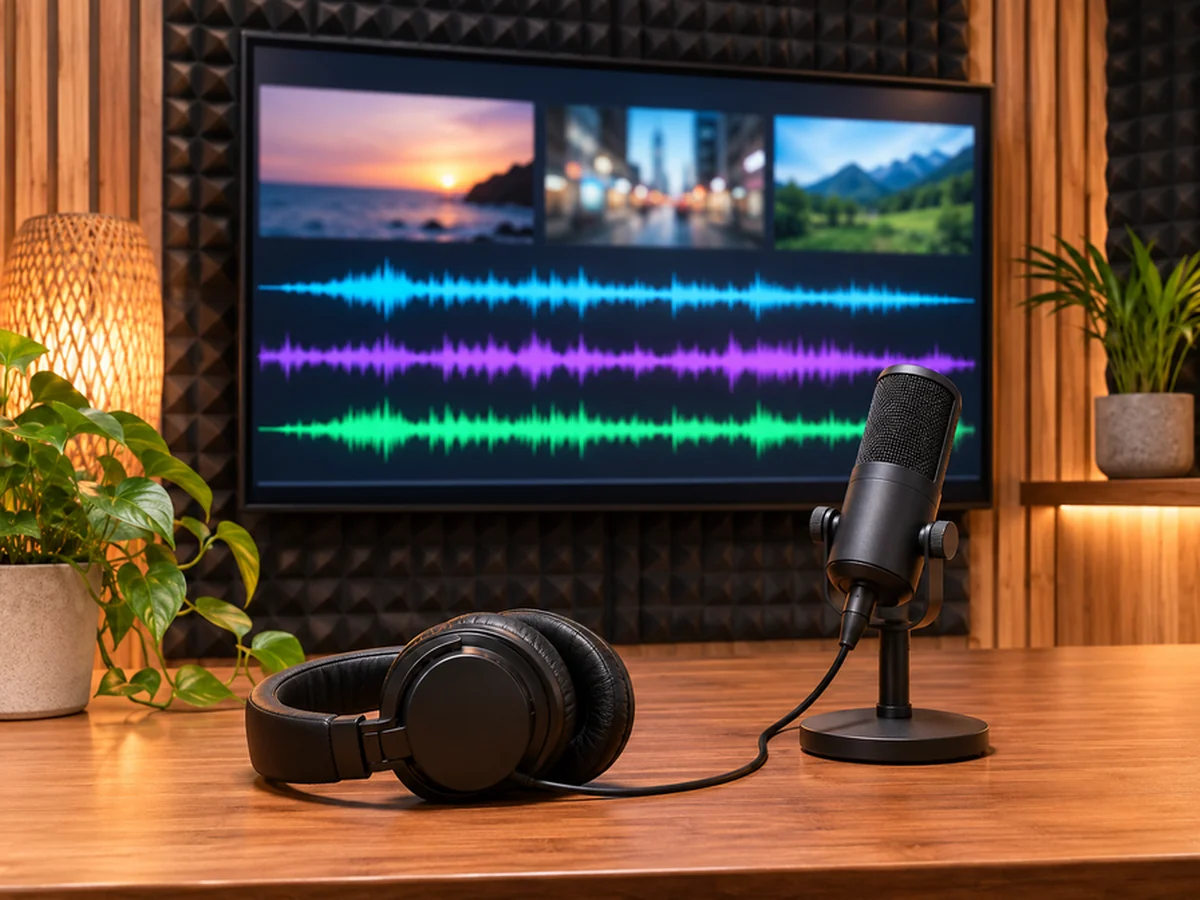
AI dubbing combines several technologies. Speech recognition transcribes what the speaker says. Machine translation converts the transcript into another language. Text-to-speech generates a new audio track, ideally matching the timing, tone and emotion of the original. The most advanced systems can clone the speaker's own voice so they appear to speak the new language, and can adjust lip movements in the video to match the translated words.
YouTube's auto-dubbing
YouTube announced its AI auto-dubbing feature in 2024, first available to a selected group of creators and focused on educational and informational videos, translating into a handful of languages. It gradually expanded access to many more creators and, in 2026, said auto-dubbing was available to everyone, supporting 27 languages. Viewers can choose an audio track in their preferred language from the video settings.
More natural voices
Early AI dubs often sounded flat and robotic, especially with fast speakers or multiple voices. YouTube introduced a feature called Expressive Speech, which aims to capture the emotion and energy of the original speaker more naturally. It also began piloting lip sync technology that subtly adjusts the speaker's lip movements to match the translated audio, so dubbed videos feel more like watching the original.
Disclosure and control
Because AI dubbing alters what viewers hear and, with lip sync, what they see, transparency is important. YouTube said it would label videos where audio or video had been synthetically created or altered. Creators can review dubs, upload their own human-made dubs instead or turn off auto-dubbing entirely. YouTube says auto-dubs do not harm a video's performance in its recommendation system and may help it be discovered in other languages.
Reaching new audiences
For creators, AI dubbing can open huge new audiences. A creator in the UAE making videos in English could reach viewers in Spanish, Hindi, Portuguese or Indonesian, and an Arabic-speaking educator could reach learners who speak other languages. Educational content, such as science explainers and tutorials, can become accessible to students who do not speak the original language, which could help reduce global inequalities in learning.
Other platforms
Other companies offer similar tools. Meta has tested AI translation and lip-sync for creators' short videos on Instagram and Facebook. Specialist companies offer AI dubbing services for businesses, online courses and media companies, sometimes with the speaker's cloned voice. Streaming services and film studios are exploring AI to speed up localisation, often combining AI with human translators and editors.
Quality concerns
AI dubbing is not perfect. Translations can miss humour, idioms, cultural references and technical terms, and synthetic voices may sound unnatural. Some multilingual viewers have complained when platforms automatically play dubbed audio instead of the original, and a few have installed browser extensions to block automatic dubbing. Arabic, with its many dialects, is particularly challenging for natural-sounding dubbing, as voices must match regional speech.
Voice actors and consent
Professional voice actors and translators worry that AI dubbing could reduce demand for their work. Voice cloning also raises questions of consent: a person's voice is part of their identity, and it should not be copied without permission. Actors' unions have negotiated protections in some contracts, and laws in some places address the unauthorised use of a person's voice or likeness. Responsible platforms require creators' consent before cloning voices.
Why it matters
Language has always limited who can understand and enjoy a video. AI dubbing could make much of the world's video content available in many languages, at almost no cost, helping knowledge and creativity cross borders. Its success will depend on quality, honesty with viewers and fair treatment of the people whose voices and work make video come alive, from creators to translators and voice actors.
Sources & further reading
- YouTube Official Blog · Auto dubbing and expressive speech ↗
- Gulf News · YouTube expands AI auto-dubbing to 27 languages with expressive speech ↗
- Nieman Lab · YouTube announces expanded suite of tools for creators in latest AI push (2025) ↗
Features and language support vary and may change. Photograph: original AI-generated illustration (Adobe Firefly). Reference organisations do not endorse this website.