A new business model
When Morris Chang founded Taiwan Semiconductor Manufacturing Company in 1987, with support from the Taiwanese government, most chip companies both designed and manufactured their own chips. Chang's idea was a pure-play foundry: a company that would only manufacture chips designed by others and would never compete with its customers. This allowed new chip design companies to start without building their own factories, which cost billions of dollars. The model transformed the semiconductor industry.
Making the impossible
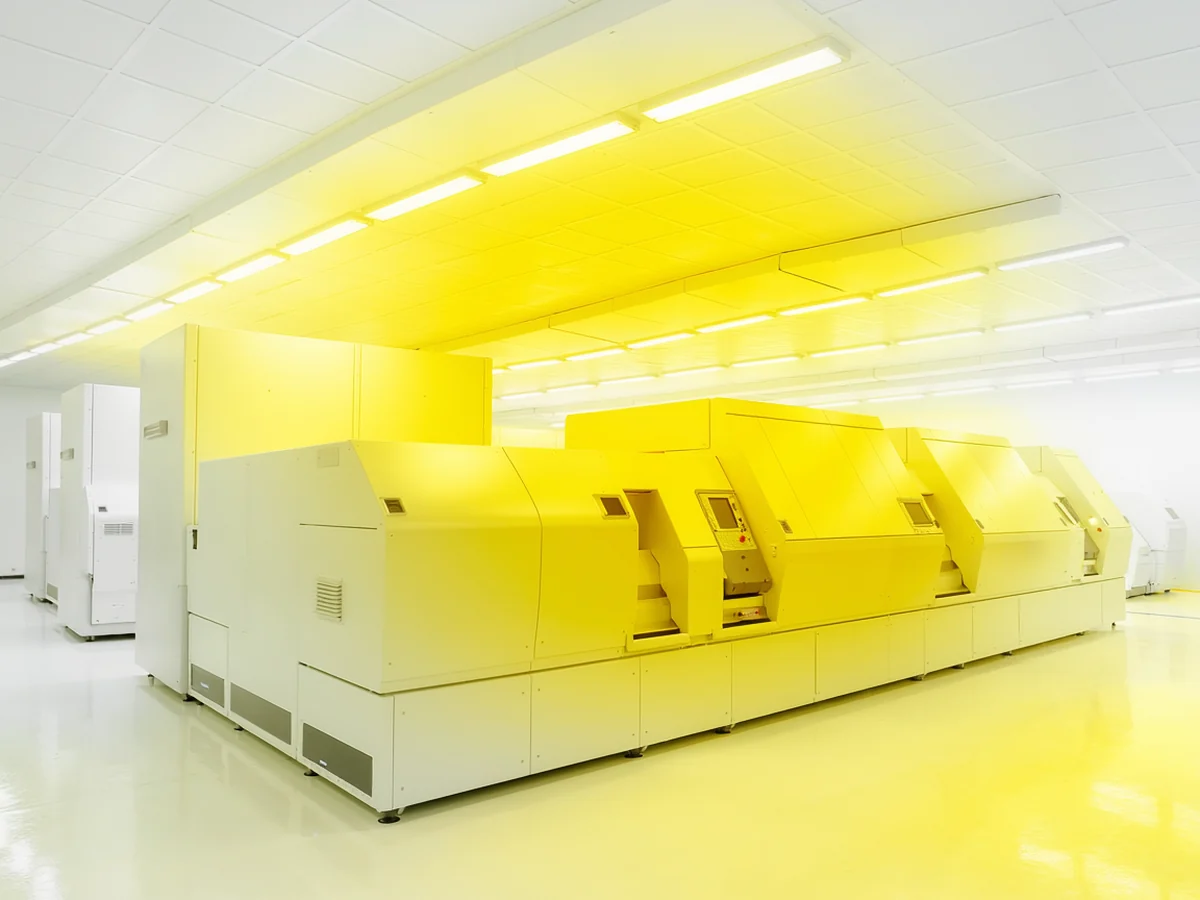
Modern chips contain billions of transistors, switches so small that they are measured in nanometres, billionths of a metre. Manufacturing them requires hundreds of precise steps, including depositing ultra-thin layers of materials, printing patterns with light and etching. Factories, called fabs, must be kept far cleaner than hospital operating rooms, since a single speck of dust can ruin a chip. A leading-edge fab can cost more than 20 billion dollars to build.
Staying ahead
TSMC has been the first to mass-produce many of the most advanced manufacturing processes, known by names such as 7, 5 and 3 nanometres, which allow more transistors to fit on a chip, improving performance and energy efficiency. It began high-volume production of its 2-nanometre process in late 2025. Rivals Samsung and Intel have struggled to match TSMC's combination of technology, yields and reliability, which has made it the preferred manufacturer for most leading chip designers.
Market dominance
According to Counterpoint Research, TSMC held about 72% of the global foundry market by revenue in the third quarter of 2025, far ahead of Samsung at about 11.5% and China's SMIC at about 5.7%. Its share of the most advanced manufacturing processes is estimated to be even higher. Advanced processes of 7 nanometres and below accounted for about three-quarters of TSMC's wafer revenue in 2025.
The AI chip maker
TSMC manufactures Nvidia's AI processors, AMD's accelerators, custom AI chips designed by Google, Amazon and others, and the processors in Apple's iPhones and Macs. AI chips also require advanced packaging, in which processor dies and stacks of high-bandwidth memory are combined into a single package. TSMC's packaging technology, known as CoWoS, has been so much in demand that its capacity has at times limited the supply of AI chips worldwide.
A geopolitical flashpoint
Taiwan's central role in chipmaking has made TSMC a focus of geopolitics. China claims Taiwan as its territory, and tensions across the Taiwan Strait raise fears that a conflict or blockade could disrupt global chip supplies, with severe consequences for the world economy. Some analysts describe Taiwan's chip industry as a silicon shield that gives other countries a strong interest in its security. Governments are seeking to reduce their dependence on a single location.
Building abroad
Under pressure from governments and customers, TSMC is building factories outside Taiwan. In the United States, it opened its first Arizona fab and in 2025 announced plans to raise its total US investment to about 165 billion dollars, including additional fabs, packaging plants and a research centre. It is also building factories in Japan and Germany. However, its most advanced technology remains primarily in Taiwan, and overseas fabs face higher costs and workforce challenges.
Supplying the boom
The AI boom has driven record revenues and profits for TSMC, and its market value has risen to more than one trillion dollars, among the highest of any company in Asia. It has raised prices for its most advanced processes as demand exceeds supply. TSMC depends in turn on specialised suppliers, such as the Dutch company ASML, which makes the extreme ultraviolet lithography machines needed to print the smallest chip features.
Water and energy
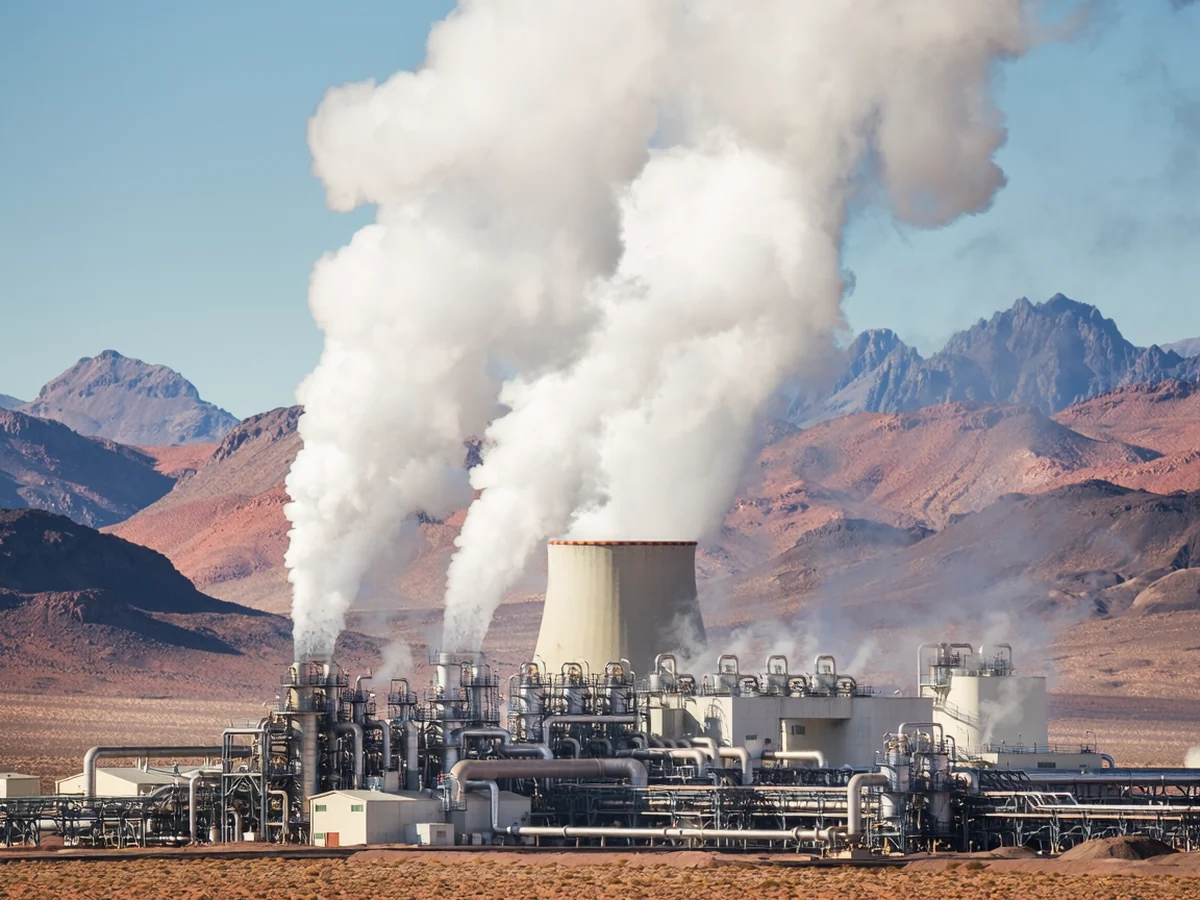
Chip manufacturing uses large amounts of electricity and ultra-pure water. TSMC's fabs consume a significant share of Taiwan's electricity, and droughts on the island have at times raised concerns about water supply. The company has invested in water recycling and reclamation and has committed to increasing its use of renewable energy, aiming for net zero emissions by 2050. These environmental challenges grow as demand for AI chips rises.
Why it matters
TSMC is a company most consumers have never heard of, yet its products are in almost every smartphone, computer, car and AI data centre. The AI revolution depends on its ability to keep producing more advanced chips in greater volumes. Its concentration in Taiwan makes it both an engineering marvel and a strategic risk, which is why governments around the world are investing heavily to build chipmaking capacity of their own.
Sources & further reading
- Counterpoint Research via Dataconomy · TSMC dominates foundry market with 72% share in Q3 2025 ↗
- TSMC · Company information ↗
- Tom's Hardware · Why TSMC grew four times faster than its foundry rivals in 2025 ↗
Market shares are estimates by research firms. This is not investment advice. Photograph: original AI-generated illustration (Adobe Firefly). Reference organisations do not endorse this website.