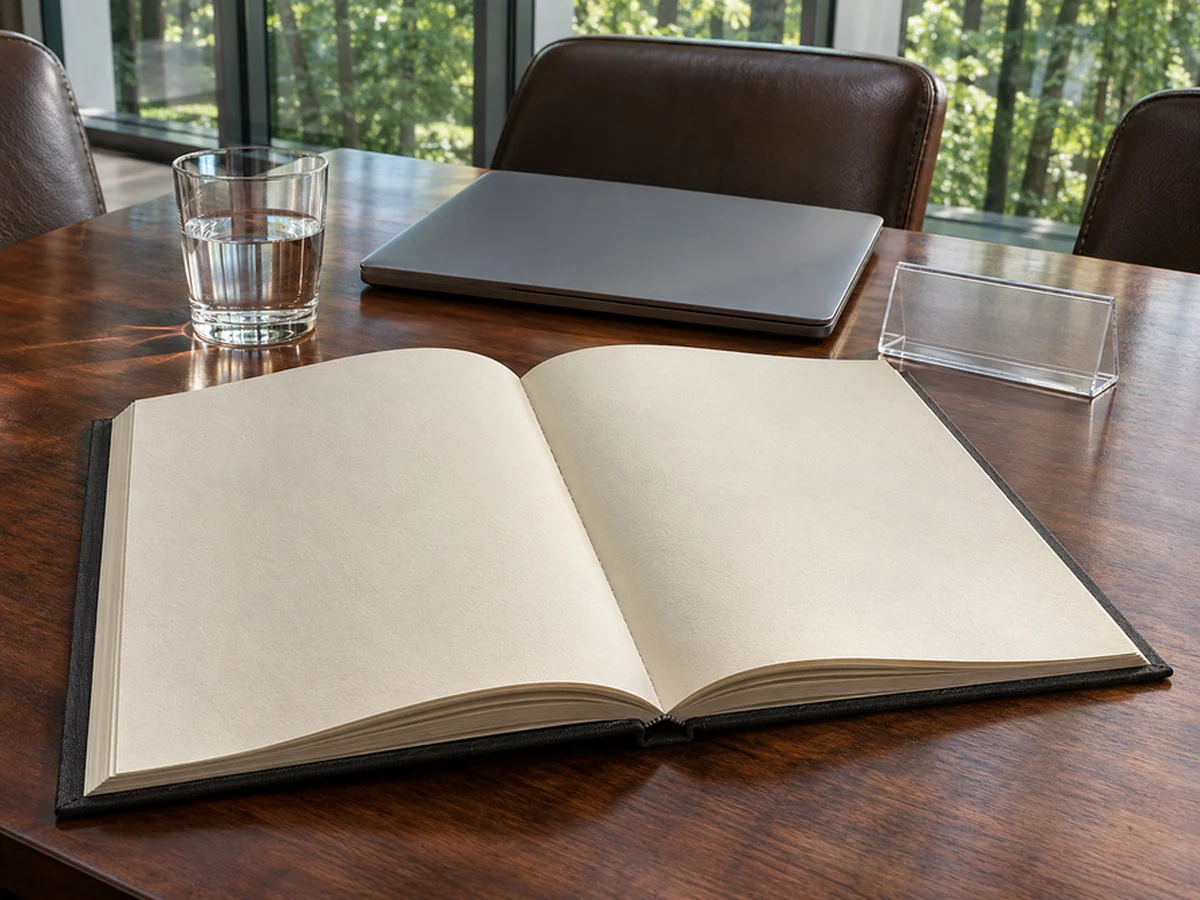
A book in an afternoon
Writing a book has traditionally taken months or years. With generative AI, a person can produce a complete manuscript, cover image and description in a few hours. Self-publishing platforms such as Amazon's Kindle Direct Publishing make it easy to put such books on sale worldwide. In 2023, as tools like ChatGPT spread, large numbers of AI-generated books began appearing for sale, sometimes produced in bulk.
Quantity over quality
Many AI-written books were low-quality, repetitive or full of errors. Common categories included travel guides, cookbooks, self-help titles, children's stories and summaries of popular books. Some travel guides contained outdated or invented information about destinations. Readers complained of buying books that seemed generic and poorly checked, and reviewers found it hard to tell which books had been written with AI. Some sellers also posted fake positive reviews to boost sales.
Dangerous advice
Some AI-written books raised safety concerns. In 2023, mushroom experts, including the New York Mycological Society, warned about AI-generated foraging guides being sold online. Identifying wild mushrooms requires expert knowledge, because some deadly species closely resemble edible ones. Experts feared that guides written by AI, without expert checking, could contain mistakes that might lead readers to eat poisonous mushrooms.
Using real names
In August 2023, the writer Jane Friedman discovered several books for sale under her name that she had not written, apparently generated by AI to imitate her work on publishing. After she publicised the problem, the books were removed. Other authors reported similar experiences, as well as AI-generated summaries and workbooks that appeared alongside their real books, confusing readers and taking sales.
Amazon responds
In September 2023, Amazon announced that Kindle Direct Publishing accounts could publish no more than three new titles per day, saying it wanted to protect against abuse. It also began requiring publishers to tell Amazon whether their content was AI-generated, although this information was not shown to readers at the time. Amazon said it removes books that violate its guidelines, including those that mislead customers.
Authors push back
Writers' organisations, such as the Authors Guild, called for clear labelling of AI-generated books and for consent and payment when authors' work is used to train AI. Many authors have sued AI companies over the use of their books in training data. In 2025, a court-approved settlement in a case against the AI company Anthropic set aside 1.5 billion dollars for authors whose books had been downloaded from pirate sites, an outcome widely seen as a landmark.
AI as a writing tool
Not all use of AI in writing is problematic. Many authors use AI to brainstorm ideas, research, edit or translate their work, while remaining the true creators. Some publishers use AI to create audiobooks or translations, opening books to new audiences. The key questions are honesty about how a book was made, respect for other writers' rights, and quality control, especially for books giving practical advice.
Arabic publishing
The Arab world has a growing publishing industry and major book fairs, such as those in Sharjah and Abu Dhabi. AI translation could help more Arabic books reach global readers and bring more world literature into Arabic. At the same time, Arabic authors and publishers face the same concerns as others about AI-generated imitations, copyright and maintaining the quality and authenticity of literature.
Advice for readers
Readers can protect themselves by checking an author's background and other works, reading reviews carefully, looking at sample pages before buying, and being especially cautious with books that give safety, health or financial advice. Books from established publishers or recognised experts are more likely to have been carefully checked. If a book seems suspicious, platforms usually allow customers to report it, and libraries and trusted bookshops can recommend reliable titles.
Why it matters
The flood of AI-written books shows how generative AI can lower the cost of producing content to almost nothing, overwhelming platforms with material of uncertain quality. It raises important questions about honesty, safety, creativity and the rights of human authors. How publishers, platforms and lawmakers respond will shape the future of books and the trust readers place in them.
Sources & further reading
- Wikipedia · Kindle Direct Publishing ↗
- Authors Guild · Artificial intelligence ↗
- Wikipedia · Generative artificial intelligence ↗
Based on news reports; policies may have changed. Photograph: original AI-generated illustration (Adobe Firefly). Reference organisations do not endorse this website.