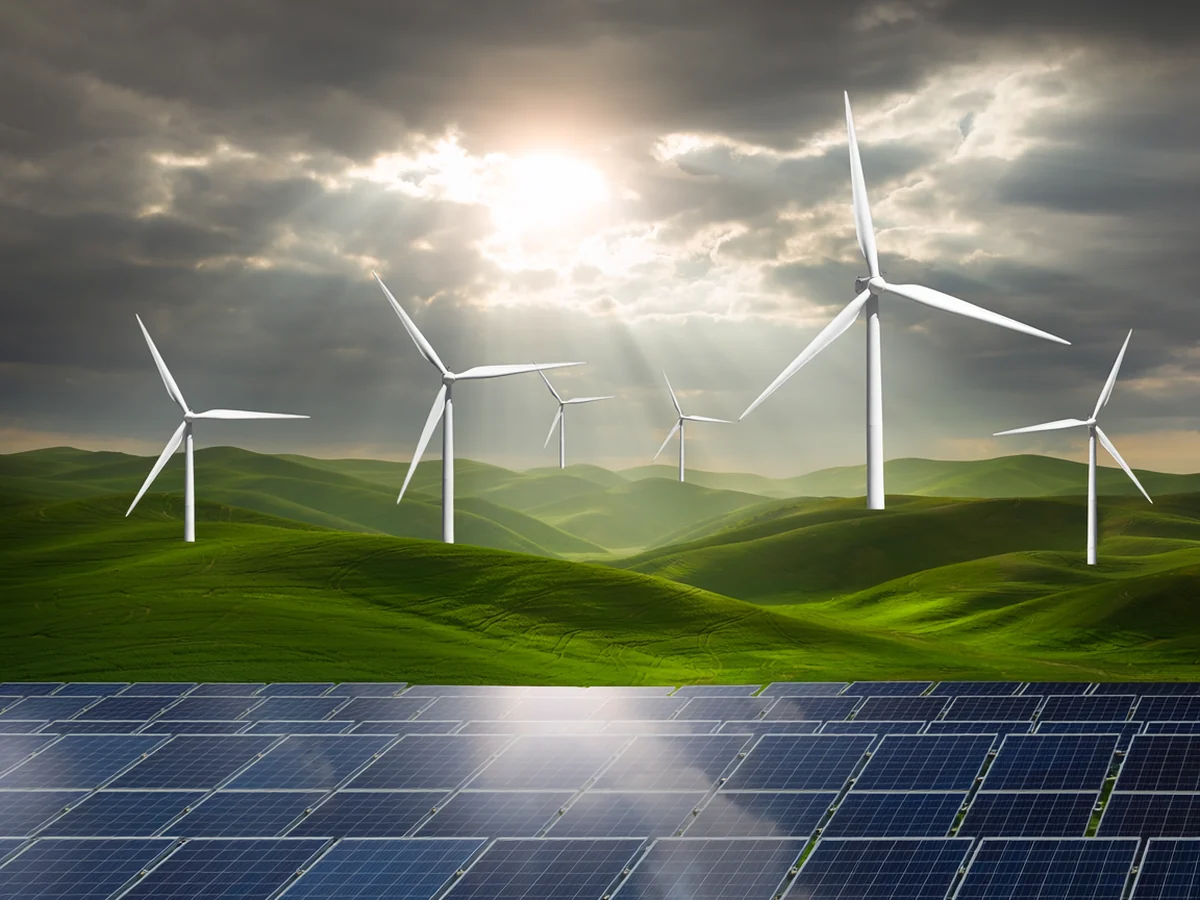
The variability challenge
Electricity grids must constantly balance supply and demand. Traditional power plants can be turned up or down when needed, but wind and solar farms produce electricity only when the wind blows and the sun shines. Clouds, calm days and dust storms can cause sudden changes in output. To keep the lights on, grid operators need to know in advance how much renewable power to expect, so they can plan backup power and storage.
Why forecasts matter
Accurate forecasts reduce the need to keep expensive backup power plants running just in case, lowering costs and emissions. They help operators decide when to charge and discharge batteries. In electricity markets, renewable producers that can promise a reliable amount of power in advance can sell it at better prices and avoid penalties. As wind and solar make up a growing share of electricity, forecasting becomes ever more important.
How AI forecasts work
AI forecasting systems combine many sources of information: weather forecasts, historical weather and production data, satellite images of clouds and sensor readings from turbines and solar panels. Machine learning models learn the relationships between these inputs and actual power output, often capturing local effects that traditional methods miss. They can provide forecasts from a few minutes to several days ahead, each useful for different decisions.
DeepMind and Google's wind farms
In February 2019, Google and its AI lab DeepMind reported applying machine learning to about 700 megawatts of wind power capacity in the central United States. Using weather forecasts and historical turbine data, the system predicted wind power output 36 hours ahead. This allowed Google to commit to delivering specific amounts of electricity to the grid a day in advance. DeepMind said this increased the value of the wind energy by roughly 20%.
Forecasting sunshine
For solar power, the biggest uncertainty is cloud cover, which can change in minutes. AI models analyse sequences of satellite images to predict how clouds will move over the coming hours, and some solar farms use sky cameras to forecast cloud shadows minutes ahead. In desert regions, dust and sand storms are an additional challenge, reducing sunlight reaching panels and coating them with dust that lowers output until they are cleaned.
AI weather models
Recent advances in AI weather forecasting, such as Google DeepMind's GraphCast and similar models from other organisations, can produce global weather forecasts in minutes that rival or exceed traditional forecasts on some measures. Better weather forecasts directly improve predictions of wind and solar power. Energy companies and grid operators are beginning to incorporate AI weather models into their planning tools.
Solar power in the Gulf
The Gulf has some of the world's best conditions for solar power and is building some of the largest solar plants on Earth, such as the Mohammed bin Rashid Al Maktoum Solar Park in Dubai and the Noor Abu Dhabi and Al Dhafra plants in Abu Dhabi. As solar becomes a larger share of electricity, utilities in the UAE and Saudi Arabia use forecasting tools, including AI, to plan for daily cycles, dust events and summer demand peaks.
Storage and smart grids
Forecasts are most valuable when combined with flexible resources, such as batteries, pumped hydro storage and demand that can shift in time, like electric vehicle charging or water heating. AI can coordinate these resources, storing electricity when renewable output is high and releasing it when it falls. This combination is key to running grids with very high shares of renewable energy, as several countries aim to do.
Remaining challenges
Forecasts are never perfect, especially for rare extreme weather events, and errors can still cause problems for grid operators. AI models need large amounts of good-quality data, and they can perform poorly in conditions not seen in their training data. Grid operators therefore combine AI with traditional methods and human expertise, and keep reserves available for unexpected changes.
Why it matters
Wind and solar are now among the cheapest sources of new electricity in much of the world, but their variability is a major challenge. AI forecasting helps turn weather-dependent power into a more predictable and valuable resource, allowing grids to use more clean energy with fewer backup fossil fuel plants. It is one of the most practical ways AI is helping the transition to clean energy.
Sources & further reading
- Google DeepMind · Machine learning can boost the value of wind energy (2019) ↗
- International Energy Agency · Renewables ↗
- Google DeepMind · GraphCast: AI model for faster and more accurate global weather forecasting ↗
Results are as reported and vary by location and system. Photograph: original AI-generated illustration (Adobe Firefly). Reference organisations do not endorse this website.