A UN report
In July 2024, the World Intellectual Property Organization, the United Nations agency responsible for patents and other intellectual property, published a patent landscape report on generative AI. It analysed patent families, groups of patent applications covering the same invention, related to generative AI technologies such as large language models, image and video generators and music generation, to show where inventions are coming from and how fast the field is growing.
Explosive growth
WIPO found that about 54,000 generative AI inventions had been filed in the decade from 2014 to 2023, with more than a quarter of them in 2023 alone. Growth accelerated after 2017, when Google researchers introduced the transformer architecture that underpins modern large language models. Scientific publications on generative AI grew even faster, from a few thousand to tens of thousands per year, reflecting the field's rapid expansion.
China leads
More than 38,200 generative AI inventions came from inventors based in China over the decade, about six times as many as from the United States, with nearly 6,300. South Korea was third with 4,155, Japan fourth with more than 3,400 and India fifth with about 1,350. China's lead reflects heavy investment by its technology companies, universities and government in AI research and an active patenting culture encouraged by national policy.
Top companies
The report identified the organisations filing the most generative AI patents. Chinese technology company Tencent led, followed by Ping An Insurance, Baidu and the Chinese Academy of Sciences. IBM was the leading non-Chinese applicant, and others in the top group included Alibaba, Samsung, Alphabet, ByteDance and Microsoft. The ranking shows that both technology giants and companies in sectors such as insurance are investing in generative AI.
What gets patented
Most generative AI patents covered image and video generation, followed by text, including large language models, and speech and music. Applications spanned many industries: software, life sciences, document management, business solutions, manufacturing, transport, security and telecommunications. In life sciences, generative AI patents covered areas such as drug discovery and molecule design, showing how the technology extends far beyond chatbots.
The US paradox
Although China leads in patent filings, the United States leads in creating the most influential generative AI models and attracting investment. American companies such as OpenAI, Google and Anthropic developed many of the systems that defined the field, and US patents tend to be highly cited. Some American labs publish research or release models rather than patenting, and much commercial value lies in data, computing power and know-how rather than patents.
India's rise
India had the fastest growth rate among the top countries in generative AI inventions, according to WIPO, reflecting its large technology workforce, growing start-up ecosystem and research institutions. India has launched a national AI mission with government funding for computing infrastructure and the development of Indian-language AI models. Its large population of software developers makes it a significant player in applying generative AI.
The Gulf's ambitions
Gulf countries do not yet appear among the top patent filers, but they are building capacity. UAE institutions have developed notable generative AI models, such as the Falcon series and the Arabic-focused Jais, and universities such as MBZUAI are expanding research. Saudi Arabia has invested in AI research and companies. Filing patents on locally developed technologies is one way these countries hope to build lasting innovation economies.
Reading the data carefully
Patent counts are an imperfect measure. Filing practices differ between countries, and a single invention may be more or less important than another. Some companies file many patents for defensive reasons, while others rely on secrecy or open publication. WIPO's report is best seen as a map of where generative AI research and commercial interest are concentrated, rather than a definitive ranking of who is ahead.
Why it matters
Patents reveal where companies and countries expect generative AI to create commercial value and how fiercely they are competing to protect their inventions. The rapid growth in filings shows that generative AI has become a major focus of global innovation. For businesses and policymakers, understanding this landscape helps identify partners, competitors and opportunities, and the role of intellectual property in the AI economy.
Sources & further reading
- WIPO · Patent landscape report: generative artificial intelligence (2024) ↗
- Fortune · China has requested far more generative AI patents than any other country (2024) ↗
- WIPO · Generative AI: navigating intellectual property ↗
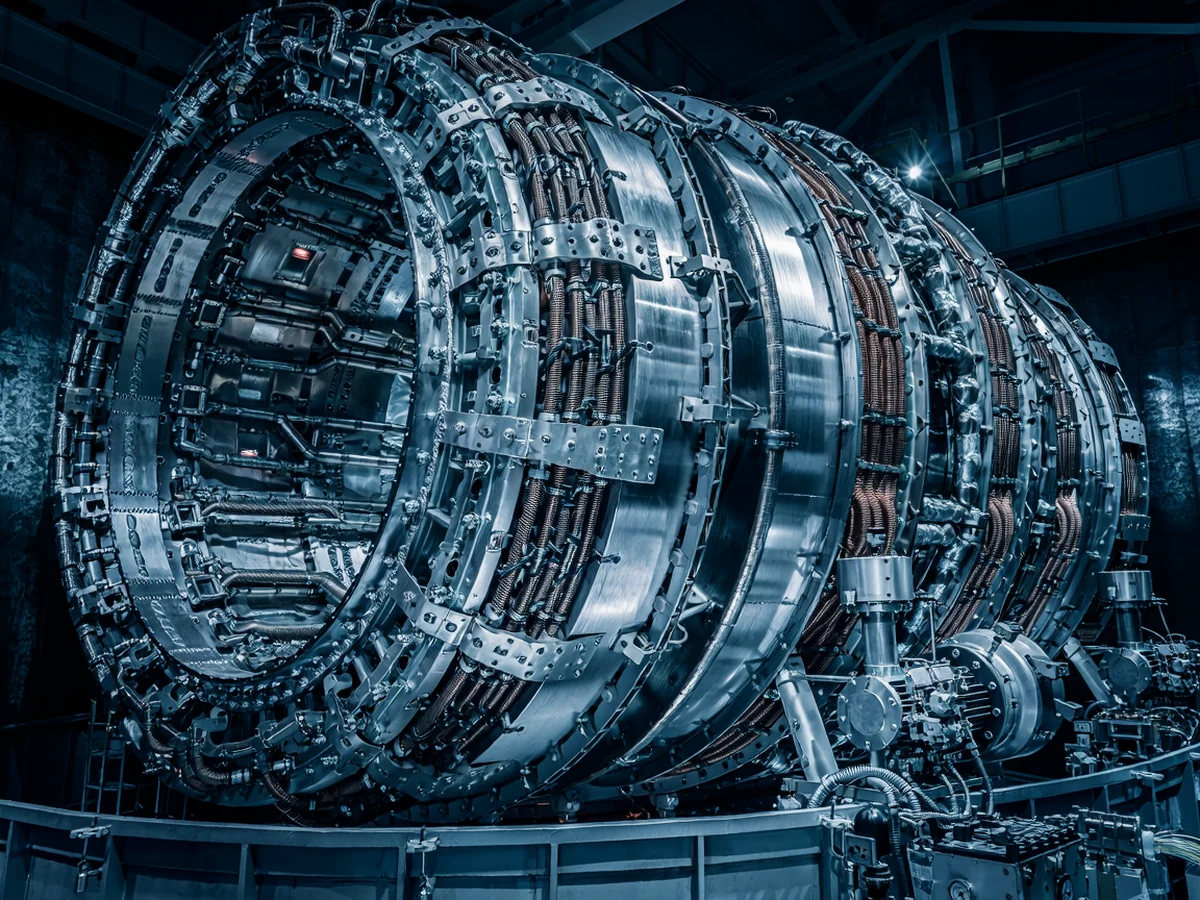
Counts refer to patent families by inventor location. Photograph: original AI-generated illustration (Adobe Firefly). Reference organisations do not endorse this website.