Heat that usually goes to waste
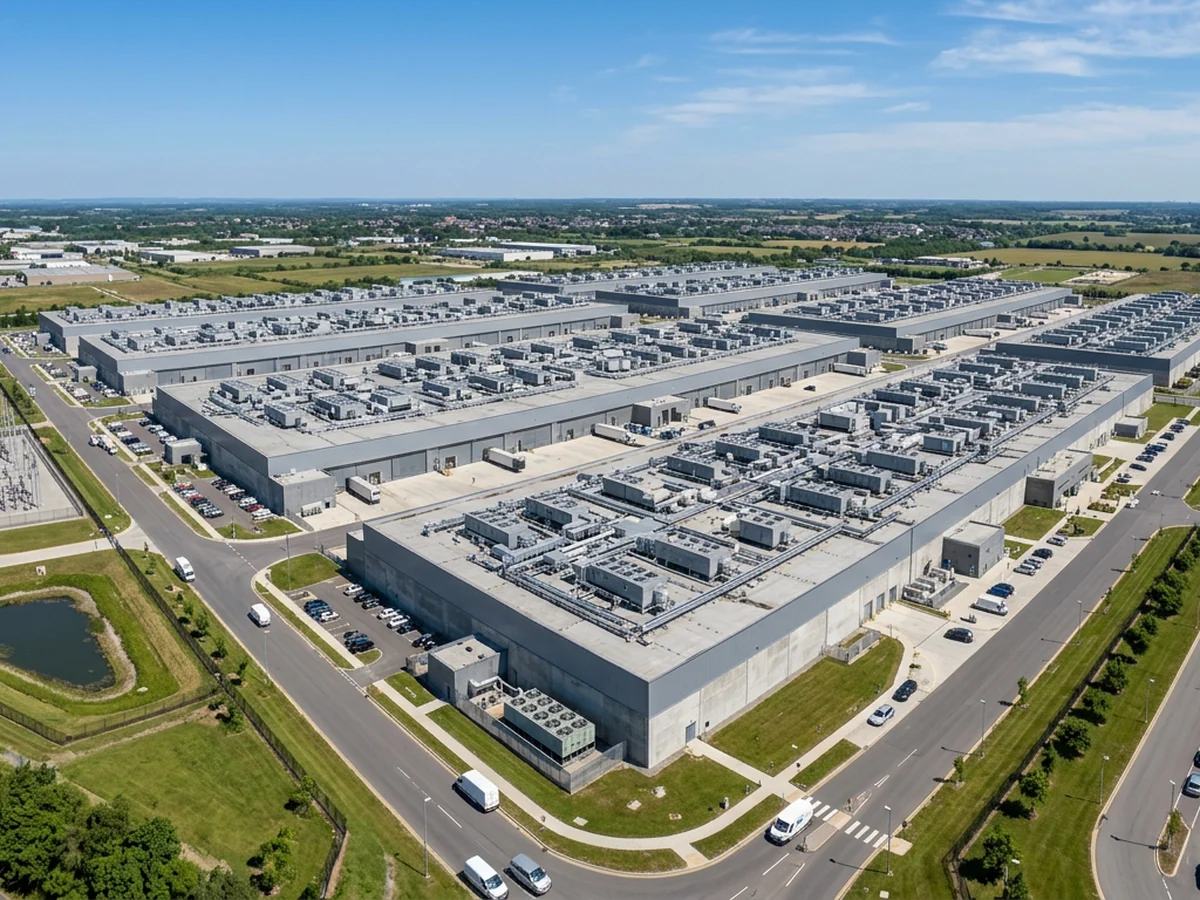
A data centre is, in effect, a giant electric heater. Nearly all the electricity that powers its servers is eventually released as heat, which cooling systems then work hard to remove and dump into the air. For decades that warmth was simply wasted. As data centres have grown to use as much power as small towns, engineers have asked an obvious question: why not use that heat to warm the towns themselves? The answer depends largely on geography, climate and the presence of district heating networks.
Why the Nordics lead
Denmark, Finland and Sweden have extensive district heating systems: networks of insulated underground pipes that carry hot water from central plants to homes and offices across a city. Because the pipes already exist, connecting a data centre is much easier than building a new network from scratch. The long, cold winters also create steady demand for heat. Combined with clean electricity and cool air that reduces cooling costs, these conditions have made the region a testing ground for turning data centres into heat plants.
Meta in Odense
Meta, then still called Facebook, built a hyperscale data centre in Odense, Denmark, designed from the start to share its heat. Water from the city's district heating network circulates through the data centre's cooling system, collecting warmth, and a large heat pump installation designed by the engineering firm Ramboll raises the temperature high enough for homes. The plant was described as the largest of its kind in Denmark, with around 45 megawatts of heat output, and it has been reported to warm many thousands of local homes, rising to about 11,000 after an expansion.
Microsoft and Fortum in Finland
In Finland, the energy company Fortum and Microsoft are building what they describe as the world's largest project to recycle data centre heat. Microsoft's new data centre region around Espoo and Kirkkonummi, near Helsinki, was sited with heat recovery in mind. Fortum says that once complete, the data centres will provide about 40% of the district heating needed in the area, and that about 75% of the data centres' waste heat will be used each year, with less in summer when heating demand is low. The project helps the region replace coal, which Fortum stopped using for heat in 2024.
More examples
Microsoft has also agreed to supply waste heat from a data centre in Høje-Taastrup, Denmark, to a local network covering the annual heating needs of about 6,000 households. Amazon uses heat from a data centre in Tallaght, Dublin, to supply a district heating scheme for public buildings and apartments. In Stockholm, an initiative called Stockholm Data Parks invites data centres to connect to the city's heating network. Apple has heat recovery plans in Denmark, and smaller operators across Europe now advertise heat reuse as a feature.
The engineering challenge
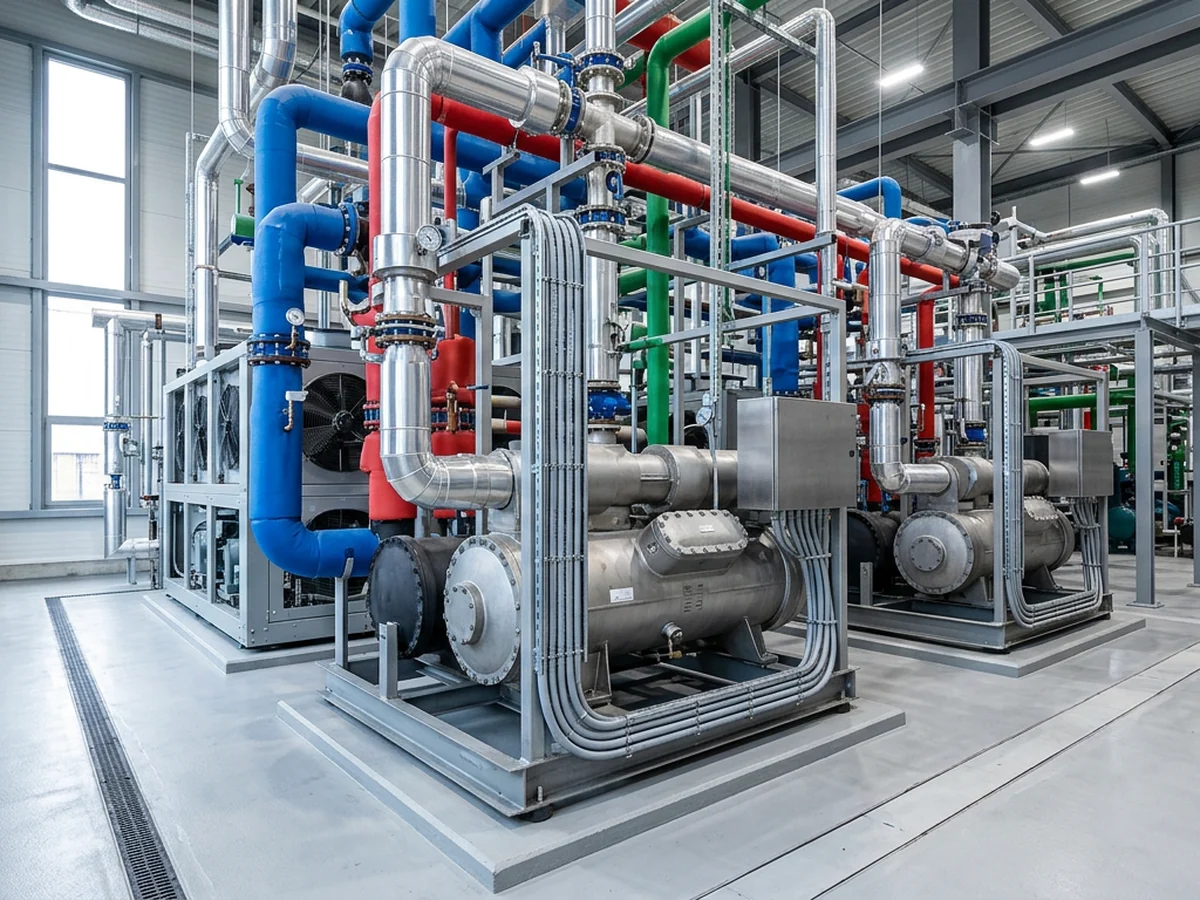
The main obstacle is temperature. Air-cooled servers release heat at relatively low temperatures, often 25 to 35 °C, while district heating typically needs water at 60 °C or more. Heat pumps bridge the gap, but they consume electricity, so the overall benefit depends on clean power and good design. Liquid-cooled AI hardware helps, because it can run warmer and deliver heat at higher temperatures. Location matters too: a data centre must be near a heat network and a city that needs heat, which is not where most are built.
Policy is pushing
Governments are starting to require heat reuse. Germany's Energy Efficiency Act sets rising targets for the share of reused energy in new data centres from the mid-2020s, and the European Union now asks large data centres to report on energy and heat use. Some cities offer faster approval or better terms to projects that share their heat. In hot climates such as the Gulf, where heating demand is low, waste heat could instead drive absorption chillers for cooling or support industrial processes and desalination, though such uses are still rare.
Why it matters
Heat reuse will not solve AI's energy challenge, but it changes how data centres fit into cities. Instead of being seen only as power-hungry buildings, they can become part of local energy systems, replacing fossil fuels used for heating and lowering bills for residents. As AI data centres grow and liquid cooling spreads, the amount of usable heat will rise sharply. The Nordic examples show what is possible when planning brings computing and heating together from the start.
Sources & further reading
- Fortum · Data centres in the Helsinki region ↗
- Ramboll · Meta: surplus heat to district heating ↗
- DatacenterDynamics · Microsoft waste heat in Høje-Taastrup ↗
Household figures are as reported by the companies and partners. Photograph: original AI-generated illustration (Adobe Firefly). Reference organisations do not endorse this website.