The arteries of trade
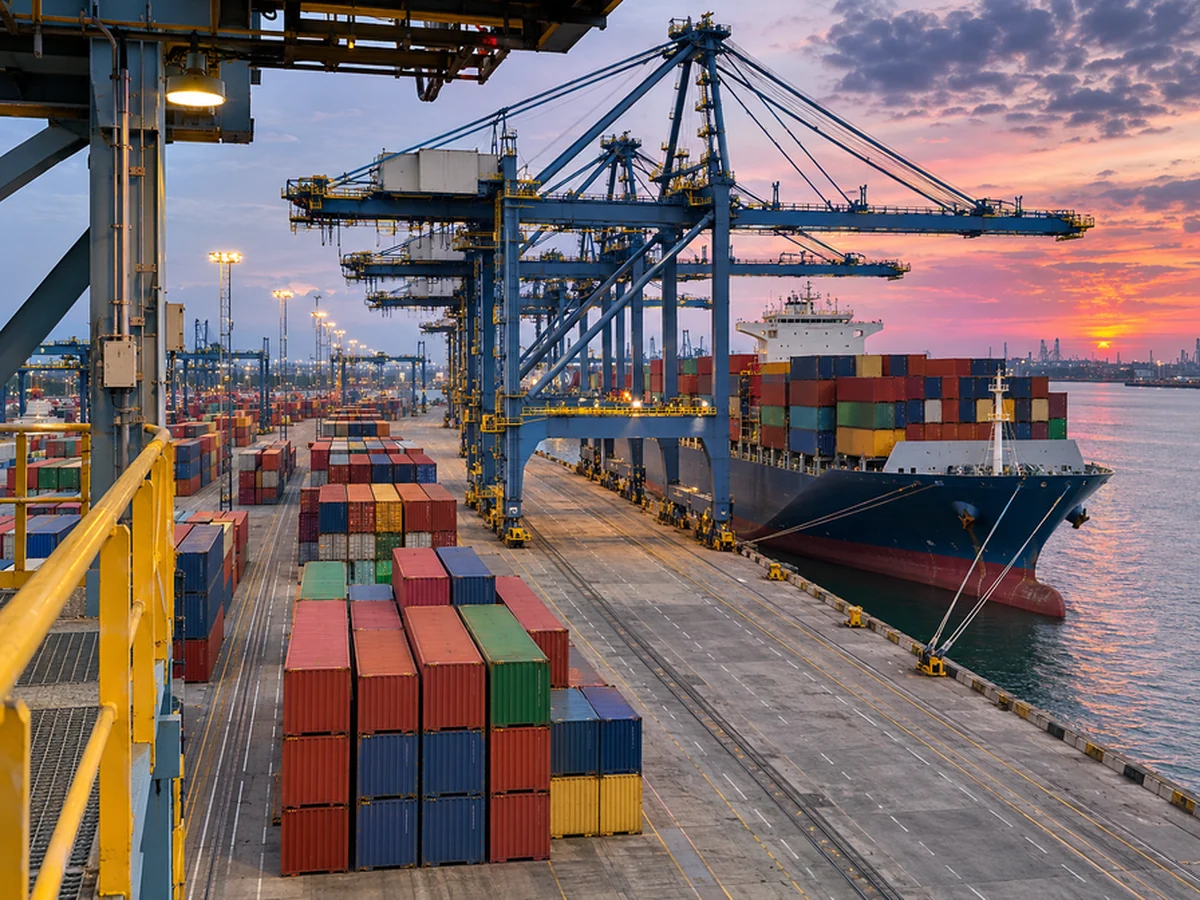
Shipping carries the overwhelming majority of the world's traded goods, from food and fuel to cars and electronics. Ports are where ships, trucks, trains and warehouses meet, and delays can ripple through supply chains worldwide, as seen during the disruptions of the COVID-19 pandemic. Ports handle millions of containers each year, and coordinating ships, cranes, vehicles and storage efficiently is an enormous logistical challenge.
Jebel Ali
Jebel Ali Port in Dubai, operated by DP World, is the largest port in the Middle East and among the busiest container ports in the world. It is surrounded by a huge free zone and connects the Gulf with markets across Asia, Africa and Europe. DP World, which operates ports and logistics businesses in dozens of countries, has made technology and automation central to its strategy, using Jebel Ali as a testing ground for new systems.
Stacking smarter
In a container yard, deciding where to stack each box matters: containers needed soon should not be buried under others. AI-based planning systems predict when containers will be collected and position them accordingly, reducing unnecessary moves. DP World and partners developed BOXBAY, a high-bay storage system in which containers are stored individually in a rack structure and retrieved automatically, tested on nearly 500,000 containers at Jebel Ali before being introduced at the company's London Gateway port.
Automated vehicles
Many modern terminals use automated cranes and vehicles to move containers between ships and storage yards. At Jebel Ali, DP World has introduced autonomous internal terminal vehicles and, with the Swedish company Einride, electric freight vehicles that move containers within the port around the clock. AI systems coordinate these machines, plan routes and avoid collisions, while human operators supervise from control rooms.
Predicting arrivals
Ships often arrive earlier or later than scheduled because of weather, congestion or delays at previous ports. AI models use ship tracking data, weather forecasts and historical patterns to predict arrival times more accurately, allowing ports to plan berths, cranes and staff. Better predictions reduce the time ships wait at anchor, saving fuel and emissions, and help trucking and rail companies schedule collections.
Greener shipping
Shipping produces a significant share of global greenhouse gas emissions. AI helps reduce them by optimising routes and speeds to save fuel, a practice known as weather routing and just-in-time arrival, by monitoring engine performance and by analysing hull condition, since barnacles and fouling increase fuel use. The International Maritime Organization has set targets to reach net-zero emissions from shipping around 2050, and digital tools are part of the solution.
Paperwork and customs
Shipping involves huge amounts of documentation, from bills of lading to customs declarations. AI and automation help process documents, check information and flag risks. Dubai's Ports, Customs and Free Zone Corporation has introduced AI-powered systems, including a smart system launched in 2025 that uses AI and robotic process automation to issue operational permits. Customs authorities use AI to analyse X-ray scans of containers and identify suspicious shipments.
Keeping equipment running
Port cranes and vehicles operate intensively, and breakdowns can halt operations. Sensors on equipment feed data to AI models that predict when parts are likely to fail, so maintenance can be scheduled before problems occur. Digital twins, virtual models of entire terminals, let operators simulate changes in layout or procedures before implementing them, improving planning and safety.
Jobs and skills
Automation changes port work. Some traditional roles, such as driving vehicles in the yard, are reduced, while demand grows for technicians, data analysts and control room operators. Dockworkers' unions in some countries have resisted automation over job concerns, leading to negotiations and agreements on its introduction. DP World has emphasised training employees to work alongside automated systems.
Why it matters
Efficient ports keep supply chains running, prices lower and economies connected. AI is helping ports handle growing trade volumes with less congestion, fewer emissions and greater reliability. For the UAE, whose economy has long been built on trade and logistics, using AI to keep Jebel Ali and other ports at the cutting edge is a key part of maintaining its role as a global hub.
Sources & further reading
- UNCTAD · Review of Maritime Transport ↗
- Dubai Media Office · DP World invests in BOXBAY technology at London Gateway (2025) ↗
- WAM · DP World expands electric freight operations at Jebel Ali Port (2025) ↗
Based on company and government announcements. Photograph: original AI-generated illustration (Adobe Firefly). Reference organisations do not endorse this website.