Why balance matters
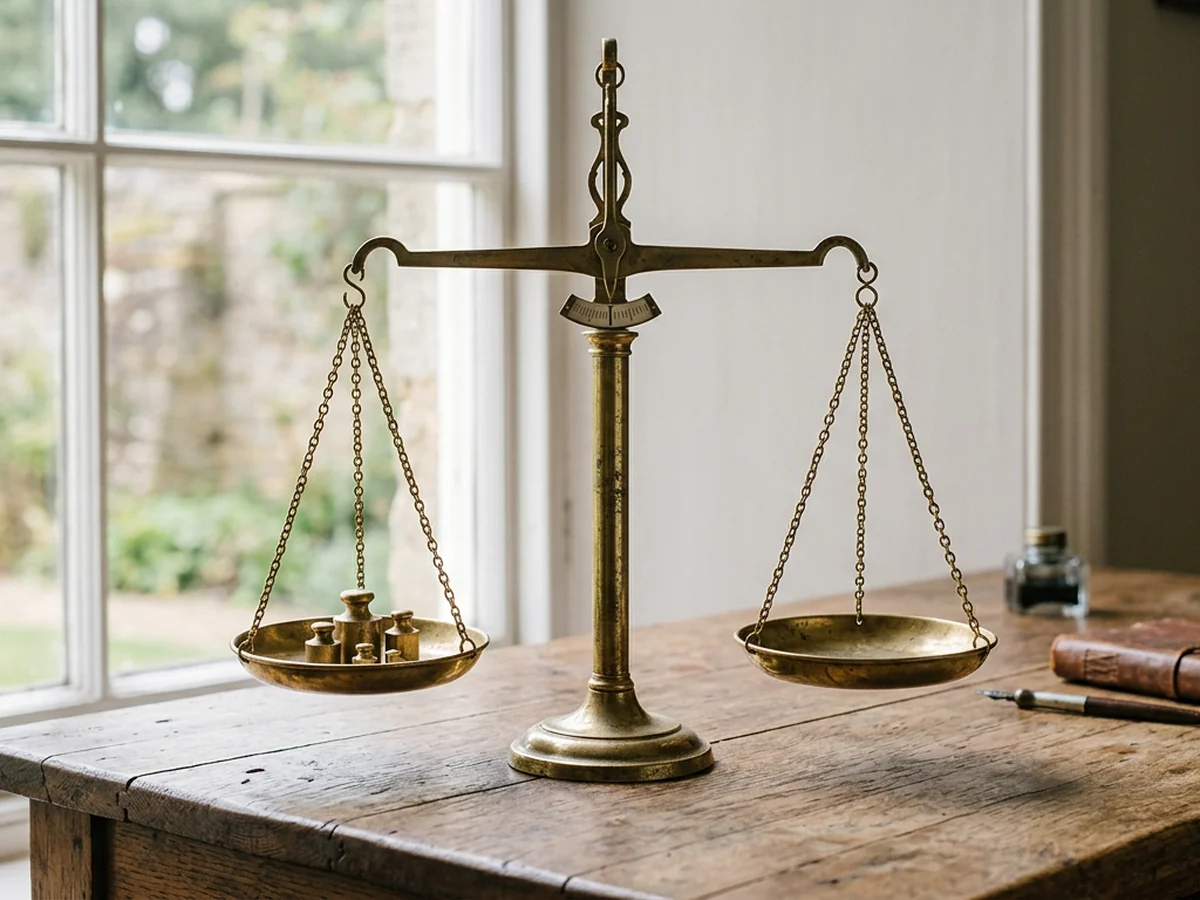
Debates about AI often split into two camps: enthusiasts who see a miracle and critics who see a menace. The evidence supports neither extreme. AI is a general-purpose technology, like electricity or the internet, whose effects depend on how it is built, regulated and used. Looking honestly at both sides is not pessimism. It is the way to keep the benefits growing while dealing with the problems before they undermine trust. This chapter summarises the main arguments, each explored in more depth elsewhere in this collection.
Upside: health and medicine
AI is already improving care. In Sweden's MASAI trial, involving more than 105,000 women, AI-supported breast screening found more cancers and cut radiologists' reading workload by 44%. More than 1,400 AI medical devices had been authorised in the United States by the end of 2025, most of them helping to read scans. AlphaFold's protein structures speed up drug research worldwide, and AI-designed drugs, including candidates for cancer, are now in clinical trials. AI also helps discover antibiotics against drug-resistant bacteria.
Upside: learning and productivity
Carefully designed AI tutors have produced some of the largest learning gains measured in education research, from Harvard physics classes to after-school programmes in Nigeria. Teachers who use AI weekly report saving almost six hours a week. In offices, studies of customer support, consulting and software work show productivity gains, often largest for less experienced staff. For people with disabilities, AI tools that describe images, transcribe speech or generate text can make daily life and work more accessible.
Upside: science and the planet
AI weather models now match or beat traditional forecasts in minutes, improving early warnings of storms. Materials discovery tools have proposed hundreds of thousands of stable new crystals, candidates for better batteries and solar cells. AI helps grid operators balance renewable power, detects methane leaks from satellite images and optimises buildings' energy use. The International Energy Agency notes that wider use of AI in the energy sector could cut emissions by more than data centres add, although that is not guaranteed.
Downside: energy and water
Data centres used about 1.5% of the world's electricity in 2024, and the IEA expects that share to roughly double by 2030, driven by AI. Cooling uses water, which matters most in dry regions. These costs are real, but improving fast: energy per AI prompt has fallen dramatically in some systems, new data centres are being designed to use no water for cooling, and technology companies are among the largest buyers of clean electricity, including new nuclear projects. The direction depends on continued pressure and transparency.
Downside: errors, bias and trust
AI systems can state falsehoods confidently, a problem known as hallucination, and lawyers have been fined for submitting invented case citations. Models trained on unbalanced data can perform worse for some groups, as early face recognition systems did for darker-skinned women. Deepfakes enable new frauds, such as a video call in Hong Kong that tricked an employee into transferring about 25 million dollars. Countermeasures include human oversight, testing for bias, content labelling and verification habits, but they must be applied consistently.
Downside: jobs and power
The IMF estimates that about 40% of jobs worldwide are exposed to AI, and while many will be complemented, some will shrink. Creative workers and publishers have challenged how AI companies use copyrighted material for training, leading to lawsuits and a record 1.5 billion dollar settlement in the United States. There are also concerns about the concentration of AI power in a few companies and countries, and about privacy as AI systems process more personal data. These are questions for policy as much as technology.
The verdict so far
On current evidence, AI's benefits are substantial and growing, particularly where it is used to support skilled people rather than replace judgement. Its downsides are serious but mostly manageable, and many already have working solutions that need wider adoption. The countries and organisations getting the most from AI tend to combine enthusiasm with safeguards: clear rules, transparency, investment in skills and clean power. For readers, the best stance is informed optimism, which means using AI confidently while staying alert to its limits. The chapters in this collection aim to supply the evidence for both halves of that stance.
Sources & further reading
- IEA · Energy and AI (2025) ↗
- IMF · AI will transform the global economy (2024) ↗
- Stanford HAI · AI Index Report ↗
Summary chapter; see linked chapters for details and sources. Photograph: original AI-generated illustration (Adobe Firefly). Reference organisations do not endorse this website.