An industry built on data
Oil and gas companies have long been among the biggest users of computing power, processing vast volumes of seismic data to map rock formations kilometres underground. Modern fields are covered with sensors measuring pressure, temperature and flow in wells, pipelines and plants. This wealth of data makes the industry well suited to AI, which can find patterns, predict problems and optimise operations faster than traditional methods.
Finding resources
Exploration geologists interpret seismic images to decide where to drill, a process that can take months and involves enormous costs if wells are placed badly. AI models can analyse seismic data much faster, identifying faults, rock layers and potential reservoirs and helping experts build subsurface models. AI also helps interpret data from drilling in real time, allowing engineers to steer drill bits more precisely into the most productive zones.
Keeping equipment running
Unexpected breakdowns of pumps, compressors or turbines can halt production and cause safety risks. Predictive maintenance uses AI to analyse sensor readings such as vibration and temperature and spot early signs of failure, allowing repairs to be scheduled before problems occur. Energy companies report significant reductions in unplanned downtime and maintenance costs from such systems, which are now widely used across the industry.
ADNOC's AI journey
The Abu Dhabi National Oil Company, ADNOC, has made AI a strategic priority. Through its Panorama digital command centre and a portfolio of more than 30 AI tools, it monitors operations across its fields and plants. ADNOC reported that its AI tools generated 500 million dollars of value in 2023. One tool, RoboWell, developed with partners, allows wells to be controlled autonomously, adjusting operations to maintain optimal performance.
ENERGYai
In November 2024, at the ADIPEC energy exhibition in Abu Dhabi, ADNOC and AIQ, its AI joint venture, launched ENERGYai, described as a first-of-its-kind agentic AI solution for the energy sector. It combines large language model technology with specialised AI agents trained for specific tasks, built on about 70 years of ADNOC data and expertise and developed with G42 and Microsoft. In March 2025, after a 90-day trial, AIQ announced a three-year, 340 million dollar contract to deploy it across ADNOC's upstream operations.
What the agents do
According to ADNOC and AIQ, the trial showed that AI agents could significantly speed up and improve the accuracy of upstream work, such as interpreting seismic data and building subsurface models, tasks that traditionally take experts weeks or months. The agents are designed to work alongside engineers and geoscientists, gathering data, running analyses and suggesting decisions, while humans remain responsible for final choices.
Cutting emissions
AI can also reduce the environmental footprint of oil and gas operations. Models optimise energy use in processing plants, reduce flaring, detect methane leaks from satellite and sensor data and improve the efficiency of refineries. ADNOC has set targets to reduce the carbon intensity of its operations and says AI is one of the tools helping it do so. Satellite-based methane monitoring, increasingly using AI, has also exposed large leaks worldwide, putting pressure on companies to act.
Safety
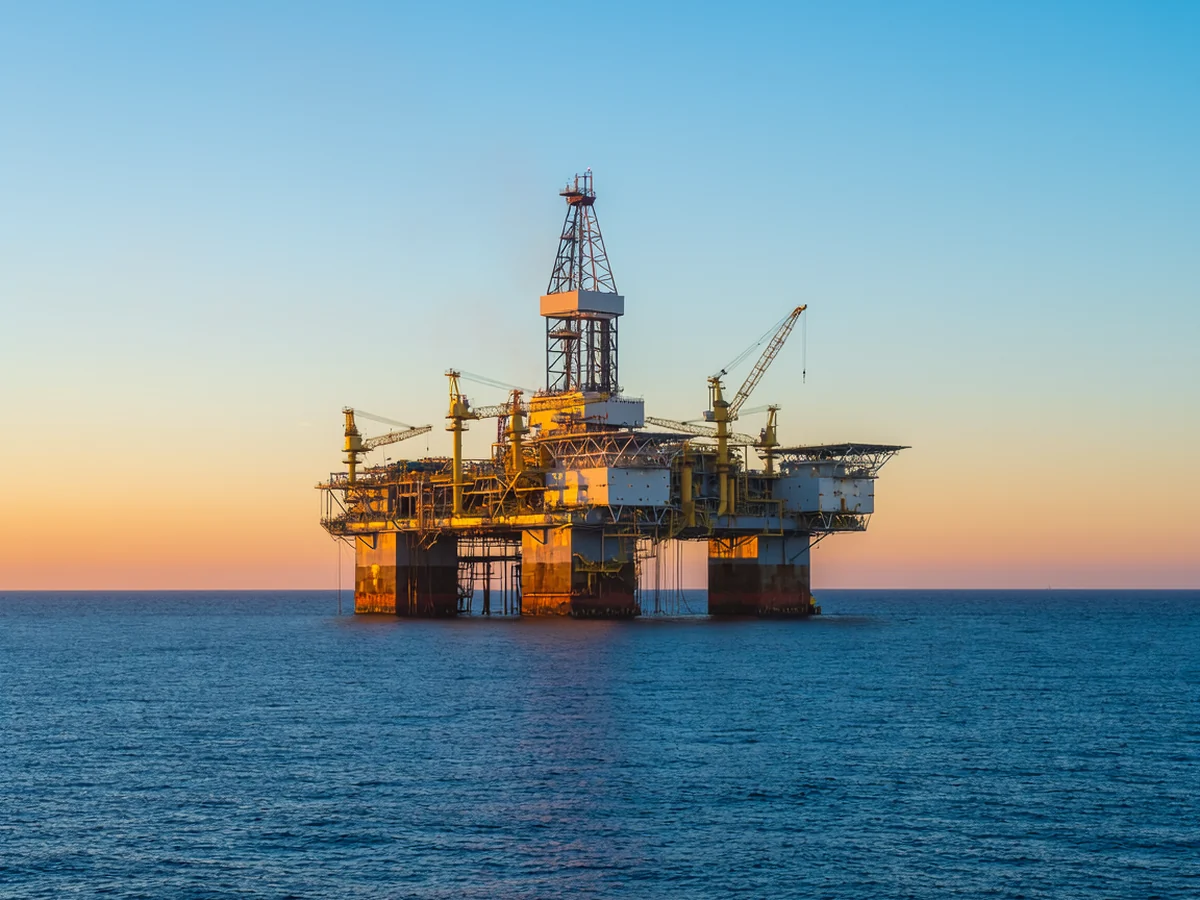
Oil and gas work can be dangerous. AI-powered cameras monitor sites for safety hazards, such as workers without protective equipment or entering restricted zones. Drones and robots inspect pipelines, tanks and offshore structures, reducing the need for people to work at height or in hazardous areas. Predictive models help prevent equipment failures that could lead to fires or spills.
A debate about AI and fossil fuels
Some environmental campaigners criticise the use of AI to make oil and gas production more efficient, arguing that it may extend the life of fossil fuels when the world needs to cut emissions. Energy companies respond that oil and gas will remain part of the energy mix for decades and that producing them more efficiently and with lower emissions is better than the alternative. Many are also using AI in renewable energy, hydrogen and carbon capture projects.
Why it matters
The energy industry is one of the largest in the world, so even small efficiency gains from AI translate into large savings in money, energy and emissions. For the UAE, whose economy and global role are closely linked to energy, combining expertise in oil and gas with ambitions in AI is a strategic choice. ADNOC's approach shows how AI agents may increasingly work alongside engineers in heavy industries.
Sources & further reading
- ADNOC · ADNOC and AIQ complete trial phase of agentic AI solution (2025) ↗
- WAM · AIQ announces 340 million dollar contract for deployment of agentic AI across ADNOC operations ↗
- World Oil · ADNOC and AIQ launch agentic AI solution ↗
Value figures are company-reported. Photograph: original AI-generated illustration (Adobe Firefly). Reference organisations do not endorse this website.