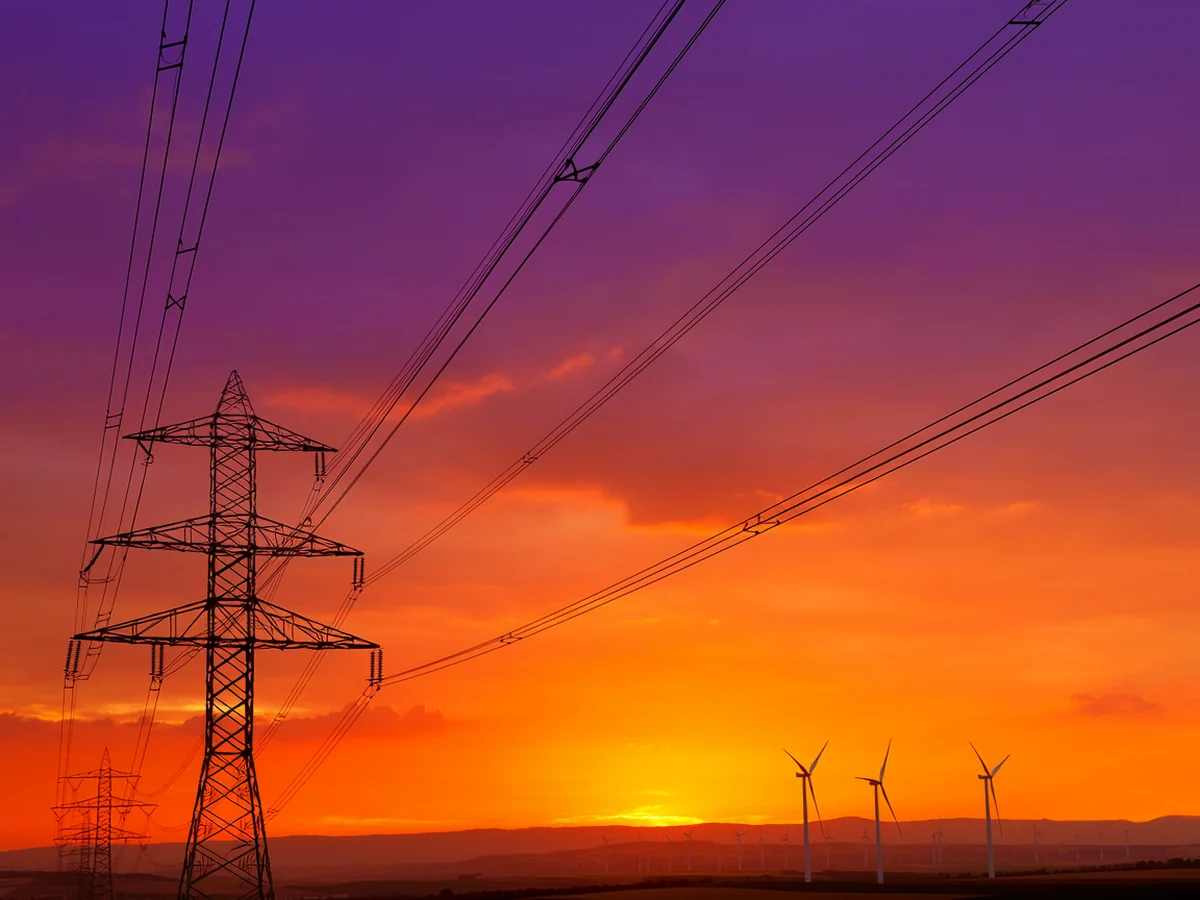
A balancing act
An electricity grid must produce exactly as much power as people use at every moment. If supply and demand drift apart, the grid's frequency changes, and in extreme cases blackouts follow. Traditionally, grid operators balanced the system by turning large coal, gas and hydropower plants up or down. As more electricity comes from solar and wind, which depend on the weather, keeping the grid in balance becomes more complex.
Forecasting the weather's power
Accurate forecasts of solar and wind output are essential. If operators know a cloudy afternoon or calm night is coming, they can arrange other supplies in advance. AI models combine weather forecasts, satellite images and data from turbines and panels to predict output more accurately than older methods. In 2019, DeepMind reported that a neural network predicting wind power output 36 hours ahead allowed Google to commit to deliveries in advance, increasing the value of its wind energy by about 20%.
Predicting demand
Electricity demand depends on the time of day, the weather, holidays, events and economic activity. Grid operators and utilities use machine learning to forecast demand more precisely, from the next few minutes to years ahead. In the Gulf, where summer air conditioning causes huge peaks, accurate demand forecasts help utilities plan generation and avoid shortages. AI weather models, which have become much more accurate in recent years, improve both demand and supply forecasts.
Managing batteries
Large batteries are being installed rapidly to store solar and wind power for later use. Deciding when to charge and discharge them, to earn the most revenue or provide the most support to the grid, depends on forecasts of prices, demand and renewable output. AI-based trading and control software manages many grid-scale batteries. Projects such as Abu Dhabi's planned round-the-clock solar plant, with 19 gigawatt-hours of storage, rely on sophisticated software to deliver steady output.
Flexible demand
Not all electricity use is fixed. Electric vehicles can charge when power is plentiful, water heaters and air conditioners can adjust slightly, and some industrial processes and data centre tasks can be shifted in time. AI can coordinate millions of such devices, a concept sometimes called a virtual power plant, to reduce demand at peak times or absorb surplus renewable energy. Google has agreed with some utilities to reduce data centre power use when grids are stressed.
Keeping equipment healthy
Grids contain millions of components, from transformers to power lines, some of them decades old. AI analyses sensor data, drone and satellite images and maintenance records to detect equipment likely to fail, allowing repairs before outages occur. Utilities use AI to spot vegetation growing too close to lines, a major cause of outages and wildfires. After storms, AI can help estimate damage and prioritise repairs.
Speeding up connections
In many countries, new solar farms, wind farms and batteries wait years to connect to the grid because engineers must study how each project would affect the system. These studies involve complex simulations. Grid operators and technology companies are using AI to speed up the analysis, helping clear long queues of clean energy projects. Faster connections mean more clean power reaches consumers sooner.
AI's own demand
Ironically, AI is also one of the fastest-growing sources of electricity demand, as data centres multiply. The International Energy Agency projects that data centre electricity consumption could roughly double by 2030. In some regions, utilities are struggling to supply enough power for new data centres. At the same time, the IEA has noted that AI tools could help grids operate more efficiently and integrate more renewables, partly offsetting the demand AI creates.
Risks
Using AI to control critical infrastructure brings risks. Errors or unexpected behaviour could affect reliability, so grid AI systems must be tested carefully and operate with human oversight and fallback controls. Greater digitalisation also increases cyber security risks, since attackers could target software that controls power systems. Regulators and grid operators are developing standards for the safe use of AI in energy systems.
Why it matters
The shift to clean electricity requires grids that can handle variable solar and wind power, millions of batteries and electric vehicles, and rising demand, including from AI. Artificial intelligence is becoming one of the key tools for making such grids reliable and affordable. Used well, it can help ensure that the clean energy transition and the growth of AI support each other rather than compete for limited power.
Sources & further reading
- Google DeepMind · Machine learning can boost the value of wind energy (2019) ↗
- International Energy Agency · Energy and AI (2025) ↗
- Masdar · Round-the-clock (RTC) project ↗
Examples are based on published company and agency reports. Photograph: original AI-generated illustration (Adobe Firefly). Reference organisations do not endorse this website.