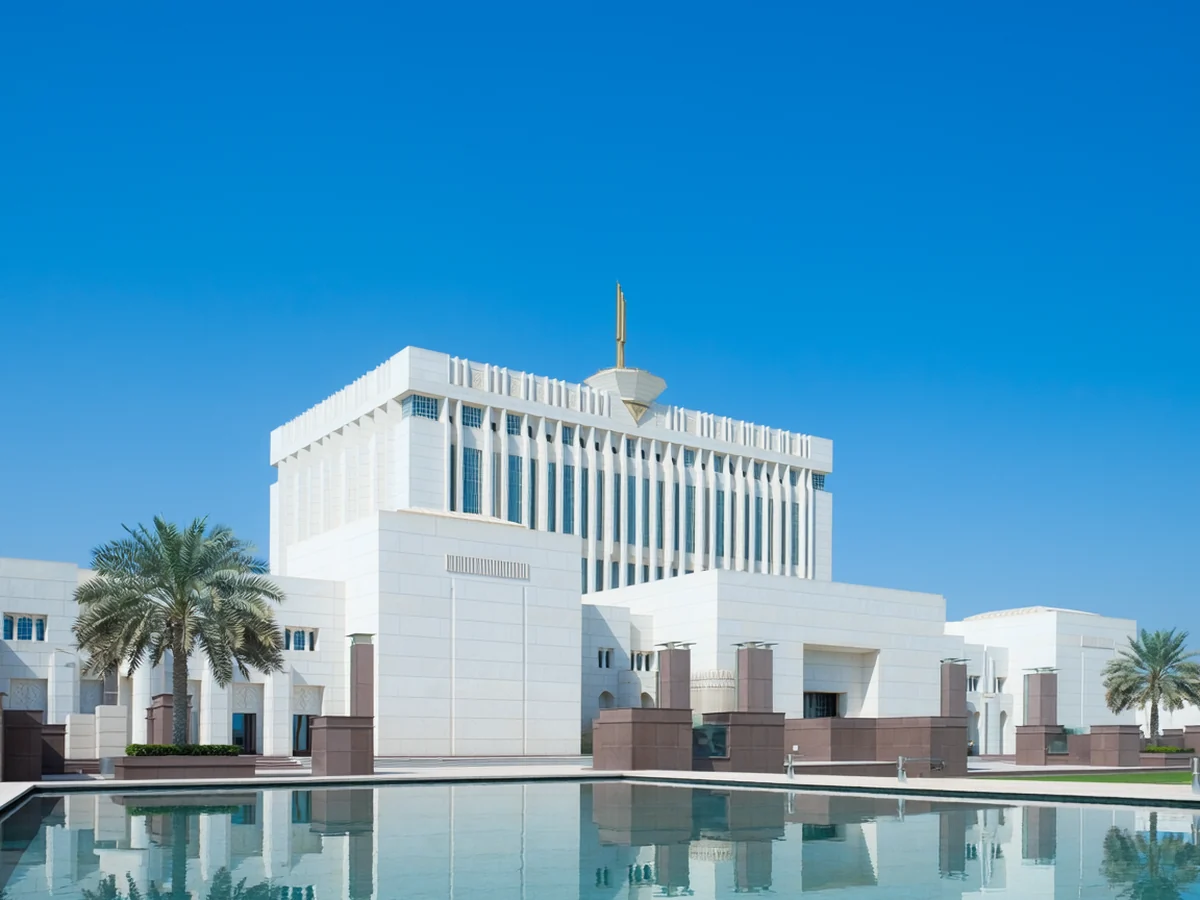
From e-government to AI
Abu Dhabi's government has transformed its services over more than a decade, moving from offering forms online to smart services on mobile phones. Its TAMM platform brings together hundreds of government services, from licences and permits to housing and social support, in a single app and website. The next step, announced in January 2025, is to rebuild government around artificial intelligence, so that services become proactive, personalised and largely automated.
The strategy
The Abu Dhabi Government Digital Strategy 2025–2027 is led by the Department of Government Enablement, created in 2023 to bring together digital, human resources and government support functions. It allocates 13 billion dirhams over three years. Its stated aim is for Abu Dhabi to become the world's first fully AI-native government across all digital services by 2027, with AI integrated across government systems.
Key targets
The strategy includes automating 100% of government processes, adopting sovereign cloud computing fully for government operations, building a unified digital enterprise resource planning platform for government entities and deploying more than 200 AI solutions across government services. Officials expect it to contribute more than 24 billion dirhams to Abu Dhabi's GDP by 2027 and create more than 5,000 jobs supporting Emiratisation, the policy of increasing Emirati participation in the workforce.
A sovereign cloud
Sovereign cloud means that government data is stored and processed on infrastructure under the country's control and subject to its laws. Abu Dhabi has partnered with Microsoft and Core42, a G42 company, to build a sovereign cloud system for the emirate. This allows government entities to use advanced cloud and AI services while keeping sensitive data secure and within national jurisdiction, an important consideration for government and healthcare data.
What AI-native means
An AI-native government is designed with AI from the start, rather than adding AI to old processes. In practice, this could mean services that anticipate needs, for example by automatically renewing documents or offering benefits when a life event such as the birth of a child occurs, chatbots that handle enquiries in Arabic and English around the clock, and AI that helps officials analyse data and make faster decisions. The aim is less paperwork and fewer visits to government offices.
AI for All
The strategy includes a people-centred programme called AI for All, which aims to give residents the tools and skills to use AI confidently. It includes training for government employees, so they can work alongside AI systems, and programmes for citizens. Abu Dhabi has emphasised that its approach is human-centred, with AI intended to make government more accessible and responsive rather than to replace human judgment in important decisions.
Progress in 2025
According to the Department of Government Enablement, 2025 saw Abu Dhabi move from vision to execution, scaling sovereign digital infrastructure, deploying real-world AI use cases and investing in staff skills. Examples reported by officials and media include AI assistants within government services, automated processing of applications and data platforms connecting government entities. Independent assessments of the strategy's results will be important as it progresses.
Part of a national vision
Abu Dhabi's strategy fits within the UAE's wider ambitions. The federal government has a National Strategy for Artificial Intelligence 2031, appointed the world's first minister for AI in 2017 and has introduced AI into lawmaking and education. Dubai has its own digital and AI strategies. Together, these efforts aim to make the UAE a global leader in using AI for government and to diversify its economy.
How it is being governed
Building an AI-native government brings a set of design decisions with it: how residents' data is protected, how automated decisions are explained, how a person can ask for a decision to be looked at again, and how services stay usable for people with limited digital skills. Abu Dhabi has said it is committed to responsible and trustworthy AI, and has set out principles covering fairness, transparency and human oversight for the systems it puts into service.
Why it matters
If Abu Dhabi achieves its goals, it could become a model for how governments use AI to deliver faster, simpler and more personalised services. Governments around the world are watching such experiments closely. The strategy also shows how AI is becoming central to how states operate and compete, and how the UAE is positioning itself at the forefront of that change.
Sources & further reading
- WAM · Abu Dhabi to be world's first fully AI-native government across all digital services by 2027 ↗
- Abu Dhabi Media Office · Abu Dhabi Government launches Digital Strategy 2025–2027 ↗
- UAE Government portal · AI-enabled digital transformation via PPPP ↗
Targets are as announced by the Abu Dhabi government. Photograph: original AI-generated illustration (Adobe Firefly). Reference organisations do not endorse this website.