From Kiva to a million
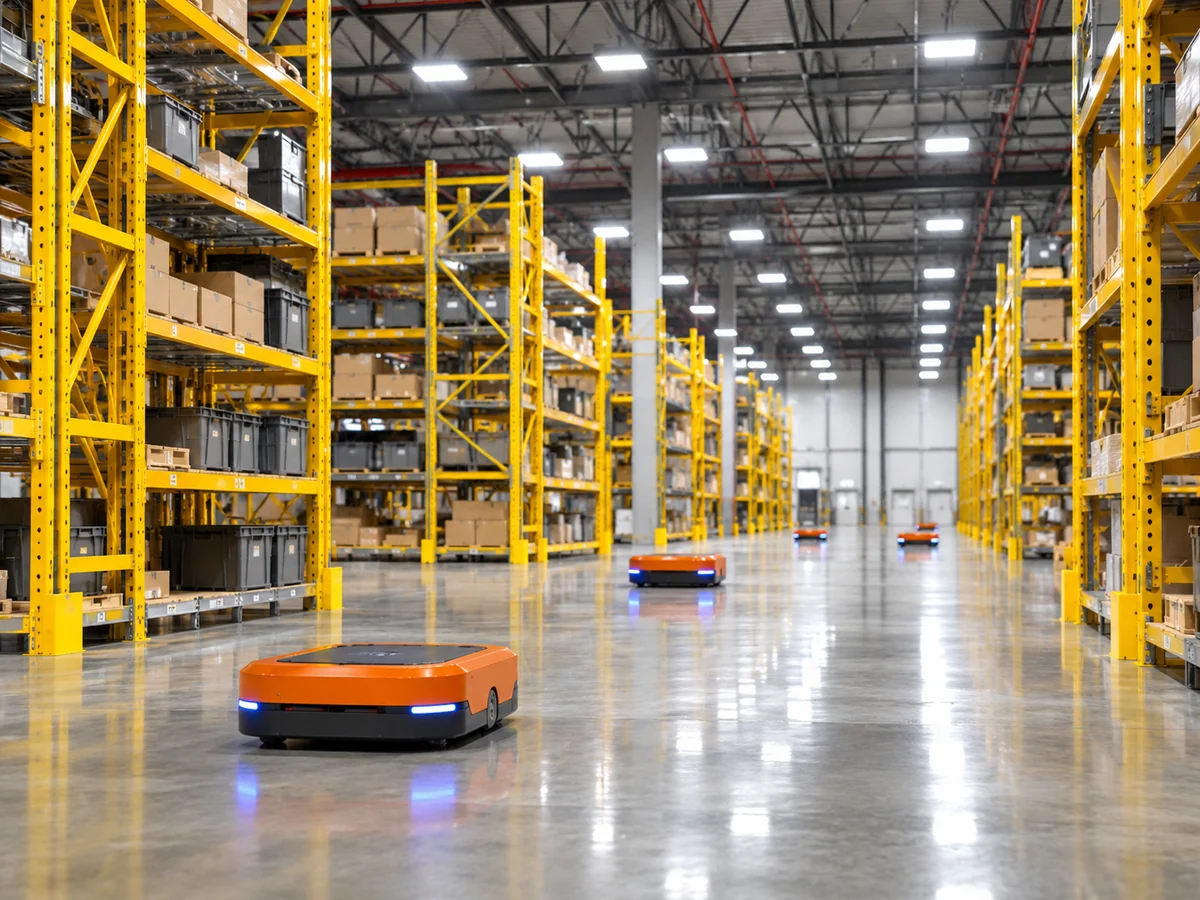
Amazon's robot journey began in 2012, when it bought Kiva Systems, a company that made small robots capable of sliding under shelves and carrying them to workers. Instead of people walking miles each day to find items, the shelves came to them. Over the following years, Amazon developed many more types of robots and deployed them across its fulfilment centres around the world, renaming the business Amazon Robotics.
The milestone
On 30 June 2025, Amazon announced that it had deployed its one millionth robot, delivered to a fulfilment centre in Japan. The company said its robots operated across more than 300 facilities worldwide. At the time, Amazon employed about 1.5 million people globally, most of them in warehouses, and the Wall Street Journal reported that robots could soon equal or outnumber human workers in its operations.
Many kinds of robots
Amazon's robots include drive units that carry shelves and pallets, Proteus, its first fully autonomous mobile robot that can move safely among people, robotic arms such as Sparrow and Robin that pick and sort individual items or parcels, Cardinal, which lifts heavy packages, and systems that sort parcels for delivery routes. Amazon has also tested humanoid robots, such as Digit from Agility Robotics, for moving containers.
DeepFleet
Alongside the milestone, Amazon introduced DeepFleet, which it described as a generative AI foundation model for its robot fleet. Trained on Amazon's extensive data about how goods and robots move inside its sites, and built using tools from Amazon Web Services, DeepFleet acts like a traffic controller, coordinating the routes of robots to reduce congestion. Amazon said it would improve the fleet's travel efficiency by about 10%.
Why efficiency matters
In a network that handles billions of packages a year, small improvements make a big difference. Robots that travel more efficiently can move goods faster, allowing orders to be processed quicker and delivered sooner, and they use less energy. Amazon says that automation helps it offer faster delivery at lower cost to customers, while making some jobs safer and less physically demanding by reducing heavy lifting and walking.
What happens to jobs?
Amazon argues that robots take over repetitive and physically demanding tasks, while creating new, higher-skilled jobs in robot maintenance, engineering and operations, and it says it has trained many employees in new technical skills. Critics and some researchers worry that automation will reduce the number of warehouse jobs over time, especially as robots become more capable. Reports have suggested Amazon expects automation to slow its future hiring.
Safety debates
Amazon says robots improve safety by reducing strain on workers. However, some studies and investigative reports have suggested that automation can increase the pace of work and repetitive motions, potentially causing injuries, and labour groups have raised concerns about productivity targets and monitoring. Amazon has disputed some criticisms and says it invests heavily in safety. Balancing efficiency with workers' wellbeing remains an issue.
AI makes robots smarter
Advances in AI are making warehouse robots more capable. Computer vision allows robotic arms to recognise and grasp millions of different products, and foundation models trained on huge amounts of data can help robots plan, adapt and work alongside people. Many companies, including logistics firms in the Gulf, are investing in warehouse automation, as e-commerce grows and labour costs and shortages rise.
The Gulf's logistics hubs
The UAE is a major global logistics hub, with ports such as Jebel Ali, airports such as Dubai International and Al Maktoum International, and large free zones. Logistics companies in the country use automated warehouses, robotics and AI to manage growing volumes of e-commerce and trade. Amazon also operates fulfilment centres in the UAE and Saudi Arabia, serving the region's fast-growing online shopping market.
Why it matters
Amazon's million robots are a landmark in the automation of work, showing how AI and robotics can transform an entire industry. They promise faster, cheaper deliveries and fewer physically gruelling tasks, but raise important questions about jobs, working conditions and how the benefits of automation are shared. How companies and governments answer these questions will shape the future of millions of workers in warehouses around the world.
Sources & further reading
- Amazon · Amazon launches a new AI foundation model to power its robotic fleet and deploys its 1 millionth robot (2025) ↗
- TechCrunch · Amazon deploys its 1 millionth robot, releases generative AI model (2025) ↗
- GeekWire · Amazon's robot workforce hits 1 million (2025) ↗
An independent overview based on company announcements and reporting. Photograph: original AI-generated illustration (Adobe Firefly). Reference organisations do not endorse this website.