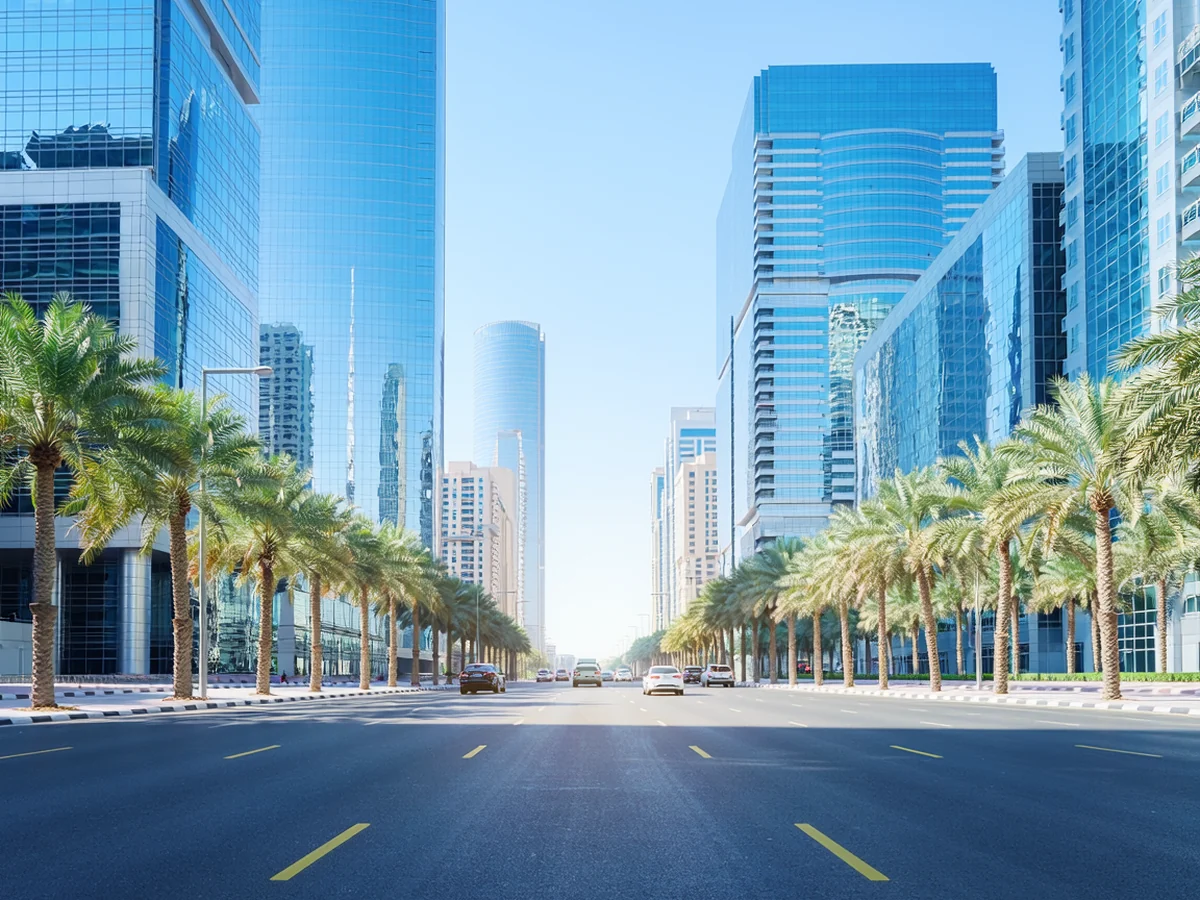
A bold goal
In 2016, Dubai launched its Autonomous Transportation Strategy, setting a target for 25% of all trips in the emirate to be made by autonomous means of transport by 2030. The goal covers driverless cars, taxis, buses and other forms of autonomous mobility. Officials say autonomous transport can reduce accidents caused by human error, cut congestion and emissions, lower transport costs and improve mobility for people who cannot drive.
Choosing partners
Dubai's Roads and Transport Authority, known as the RTA, has worked with several international autonomous vehicle companies. In April 2025, it announced partnerships with Uber and the Chinese company WeRide, whose vehicles would be offered through the Uber app, and with Baidu's robotaxi service Apollo Go. Pony.ai, another Chinese company, also signed an agreement. Apollo Go had already completed millions of driverless rides in China.
Testing on Dubai's roads
Before carrying passengers, the vehicles had to learn Dubai's roads. Trials began in 2025 with safety drivers behind the wheel, first in areas such as Dubai Silicon Oasis and then on public roads in districts including Jumeirah. At one stage, about 60 vehicles were involved, according to the RTA. The authority's technical teams and consultants monitored the trials, assessing how the vehicles handled local traffic, road layouts and weather conditions such as heat and dust.
Commercial launch
On 30 March 2026, the RTA announced the start of commercial autonomous taxi operations in Umm Suqeim and Jumeirah, two neighbourhoods near popular public beaches. Passengers could book WeRide vehicles through the Uber app and Apollo Go vehicles through the Apollo Go app, with local partners managing fleets. In August 2026, Uber announced that fully driverless Apollo Go vehicles, using Baidu's purpose-built electric RT6 model, could be matched to Uber riders in the same areas.
Early results
The RTA reported in August 2026 that robotaxi operations had covered more than four million kilometres and completed thousands of passenger trips since launch, with high passenger satisfaction ratings in its surveys. The authority described the programme as following a phased approach, expanding service areas and fleet sizes gradually while monitoring safety and performance, with the goal of integrating autonomous vehicles into Dubai's wider public transport network.
How robotaxis drive
Robotaxis use a combination of sensors, including lidar, which builds a 3D picture of the surroundings using laser pulses, cameras and radar, together with detailed digital maps. AI software identifies other vehicles, pedestrians, cyclists and road signs, predicts how they will move and plans the vehicle's path. Remote operators can monitor vehicles and provide assistance if a robotaxi encounters a situation it cannot handle.
Abu Dhabi too
Abu Dhabi has also introduced autonomous transport. Robotaxi services operated by WeRide and others, in partnership with Uber and local companies, have run in areas such as Yas Island and Saadiyat Island, with some fully driverless operations. Abu Dhabi has tested autonomous buses and delivery vehicles and hosts the Abu Dhabi Autonomous Racing League, a competition for self-driving race cars designed to accelerate research.
Rules and safety
The UAE has introduced laws and regulations to allow autonomous vehicles on public roads, including requirements for testing, licensing, insurance and data. Dubai issued a law regulating autonomous vehicles in 2023. Safety is the central concern: robotaxis in other countries have been involved in accidents and incidents that led to investigations and, in one case in San Francisco, the suspension of a company's permit. Dubai's phased approach aims to build public trust.
Jobs and change
The arrival of robotaxis changes what driving work looks like in a city where taxis and ride-hailing employ a large workforce. Officials say autonomous vehicles will be introduced gradually and that new jobs will be created in fleet management, maintenance, remote monitoring and technology. Experts note that the transition will take years and that human-driven taxis will remain common for a long time, especially as autonomous services cover only limited areas at first.
Why it matters
Dubai is among the first cities outside the United States and China to offer commercial robotaxi rides to the public. Its experience will show how autonomous vehicles perform in a hot, fast-growing Middle Eastern city with distinctive roads and driving habits. If successful, robotaxis could transform how residents and visitors move around the city, and help Dubai reach its ambitious goal of making a quarter of trips autonomous by 2030.
Sources & further reading
- Dubai Media Office · RTA launches commercial operations involving autonomous taxis (2026) ↗
- Khaleej Times · Uber launches Baidu's driverless Apollo Go taxis in Dubai (2026) ↗
- Dubai Media Office · Dubai accelerates autonomous mobility as robotaxi hits 4 million km (2026) ↗
Service areas and availability are changing; check the RTA and app providers for current details. Photograph: original AI-generated illustration (Adobe Firefly). Reference organisations do not endorse this website.