What a data centre does
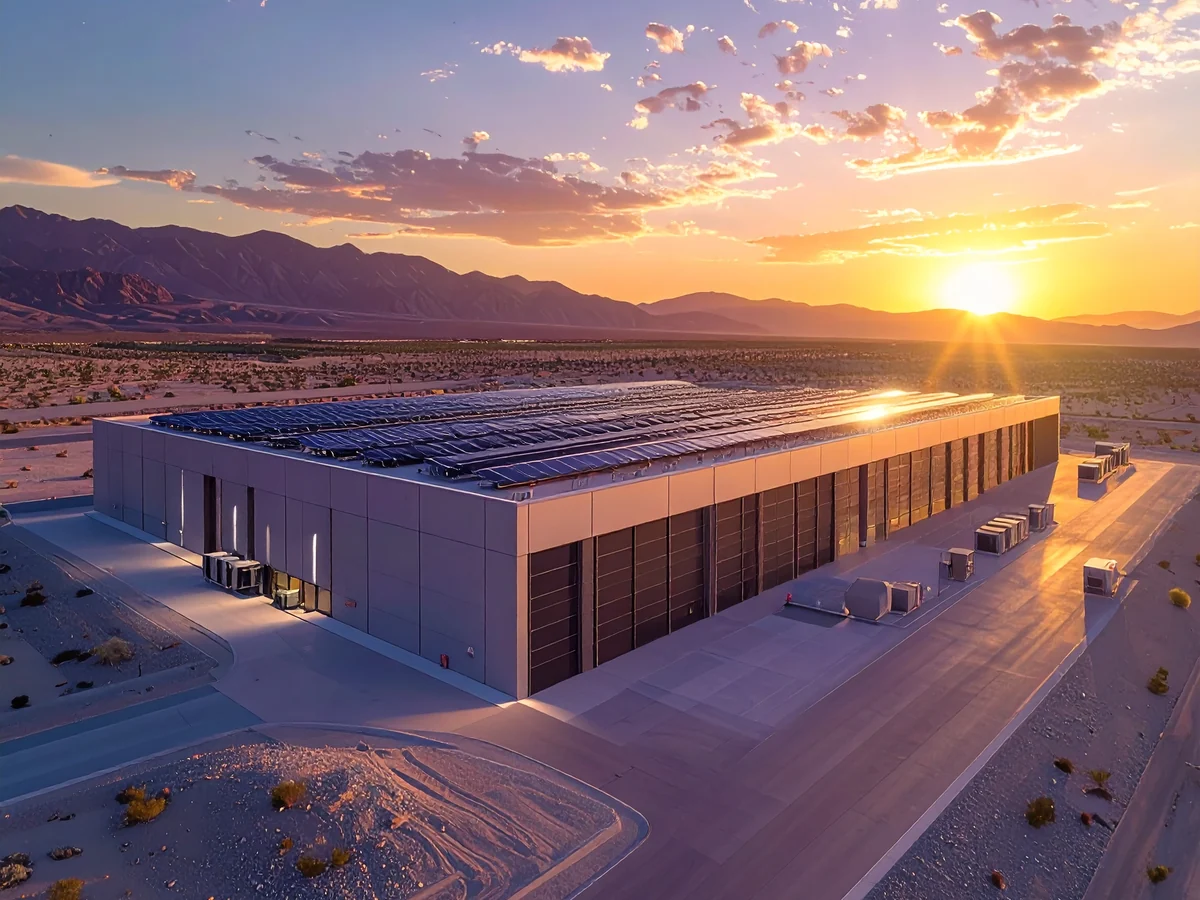
Every time someone uses a chatbot, streams a video or pays with a phone, computers in a data centre do the work. Data centres are buildings filled with servers, storage and networking equipment, supported by huge power supplies and cooling systems. AI has made them even more important, because training and running AI models requires enormous computing power, often from thousands of specialised chips working together.
Origins
Khazna Data Centers was set up in 2012 with funding from Mubadala, one of Abu Dhabi's sovereign investment companies, to build wholesale data centres for governments and large companies in the UAE. In its early years, government demand was strong, as the UAE pushed ahead with smart government services, digital transformation and cybersecurity. Telecoms companies were among its main competitors.
Joining G42
In 2022, Khazna became part of G42, the Abu Dhabi AI and technology group, which is itself one of the largest users of data centres in the region. The arrangement linked the country's largest data centre operator with its leading AI company. Khazna later received investment from the technology investor Silver Lake and Abu Dhabi's AI investment firm MGX, supporting its expansion plans.
Market leader
Khazna has described itself as the largest data centre operator in the Middle East and North Africa. In 2024, its chief executive Hassan Al Naqbi said it had around three quarters of the UAE's data centre market, with more than 20 live facilities and others under construction. In October 2025, the company said its capacity in the UAE had reached about 650 megawatts, including facilities in operation and under construction.
Built for AI
AI computing generates much more heat and uses much more power per rack than traditional computing. Khazna has designed new facilities specifically for AI, with higher power density and advanced cooling. In October 2024, it announced a 100-megawatt data centre in Ajman, its largest in the UAE. In 2025, it announced a collaboration with Nvidia to develop AI-ready data centres with data halls of up to 50 megawatts and AI clusters of up to 250 megawatts.
Going abroad
At the GITEX Global technology exhibition in Dubai in October 2025, Khazna said it planned to add more than one gigawatt of capacity by 2030, with over 400 megawatts outside the UAE, in markets including Saudi Arabia and Italy, and the rest in Abu Dhabi, Dubai and Ajman. It has also announced plans or projects in countries such as France, Egypt, Türkiye and Kenya, and said its long-term ambition was five gigawatts of AI capacity.
The cost of capacity
Data centres are expensive to build. A Khazna executive told Gulf News that it costs around 10 million dollars to build one megawatt of data centre capacity, depending on design and resilience. At that rate, a gigawatt of capacity represents an investment of around 10 billion dollars, not counting the AI chips and servers inside, which can cost much more. This is why sovereign investors and large partners play such an important role.
Power and sustainability
Data centres in the Gulf face a particular challenge: extreme summer heat, which makes cooling energy-intensive. Khazna has highlighted efficient designs and has said it avoids relying on diesel generators at some sites. The UAE's growing solar and nuclear power capacity, including the Barakah nuclear plant and large solar parks, offers cleaner electricity for data centres, though rapid AI growth adds to overall energy demand.
Stargate UAE and beyond
Khazna's expansion is part of the UAE's broader push to become a global hub for AI computing, alongside projects such as the 5-gigawatt UAE-US AI campus in Abu Dhabi, which includes Stargate UAE. Industry analysts project that data centre capacity across the Gulf will grow several times over by 2030. Having large amounts of local computing capacity also supports data sovereignty, keeping sensitive data within the country.
Why it matters
AI may seem to live in the cloud, but it depends on very physical infrastructure: land, buildings, power lines, cooling systems and chips. Khazna's growth shows how the UAE is building that foundation, aiming to host AI not only for itself but for the region and beyond. How efficiently and sustainably this infrastructure is built will shape the country's AI future.
Sources & further reading
- The National · Abu Dhabi's Khazna unveils UAE's largest data centre (2024) ↗
- Gulf News · Khazna to add 1 GW data centre capacity across key markets by 2030 (2025) ↗
- Zawya / WAM · Khazna Data Centres hits 650MW operational capacity in UAE (2025) ↗
Capacity figures are as reported by the company. Photograph: original AI-generated illustration (Adobe Firefly). Reference organisations do not endorse this website.