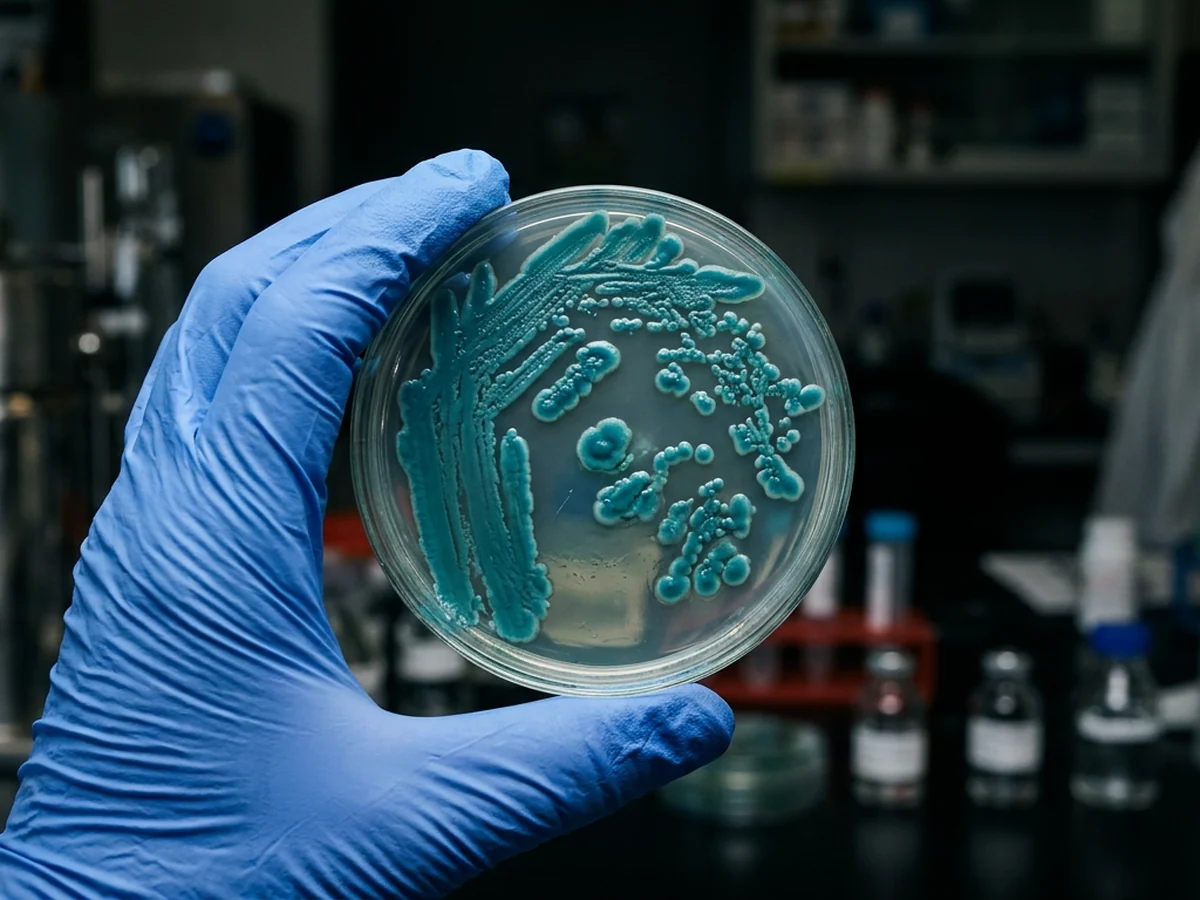
A silent pandemic
Antibiotics transformed medicine in the twentieth century, but bacteria evolve resistance, and overuse has accelerated the process. A major study published in The Lancet estimated that bacterial antimicrobial resistance was associated with about 4.7 million deaths in 2021 and directly caused over a million. Meanwhile the pipeline of new antibiotics has slowed to a trickle, because discovery is hard and new antibiotics earn little money, as doctors hold them in reserve. Scientists are therefore looking for faster, cheaper ways to find new drugs.
Why discovery stalled
Most antibiotics used today belong to families discovered between the 1940s and the 1980s, many of them found by screening soil microbes. Easy discoveries were exhausted long ago, and screening chemical libraries in the laboratory is slow and expensive, often returning the same known compounds. Many large drug companies left the field. That is the gap AI aims to fill: predicting which molecules are worth testing before anyone picks up a pipette, so that laboratories can test hundreds instead of millions.
Halicin
In 2020 a team led by James Collins and Regina Barzilay at MIT published a landmark study in the journal Cell. They trained a deep-learning model on about 2,300 molecules with known effects on the bacterium E. coli, then used it to screen a library of over 6,000 compounds and later more than 100 million. The model highlighted a molecule originally studied as a diabetes treatment, which they named halicin after the computer HAL in 2001: A Space Odyssey. In the laboratory and in mice, halicin killed many drug-resistant bacteria.
Abaucin
In 2023 researchers from McMaster University and MIT used a similar approach to search for compounds active against Acinetobacter baumannii, a hospital superbug that the World Health Organization lists among the most critical threats. After screening thousands of molecules and predicting activity across millions more, they identified a compound they called abaucin. It appeared to target this bacterium specifically while sparing many others, a narrow focus that could reduce damage to helpful gut bacteria and slow the spread of resistance.
Explaining the AI
A criticism of early AI discovery was that models were black boxes. In late 2023 the MIT team reported in Nature an approach that also explained which chemical substructures the model associated with antibacterial activity. That allowed them to find a new structural class of antibiotics active against MRSA, a common resistant cause of skin and bloodstream infections, with low toxicity to human cells in tests. Understanding why a compound works helps chemists improve it.
Designing from scratch
Screening is limited to molecules that already exist. In 2025 Collins's group reported using generative AI to design entirely new compounds, generating millions of candidate structures and filtering them for likely activity and safety. Several designs, made in the laboratory, were effective against drug-resistant gonorrhoea and MRSA in lab dishes and in mice. Because the molecules were new to nature, bacteria had never encountered them, which could make resistance slower to develop.
From lab to clinic
None of these AI-discovered antibiotics is yet an approved medicine. Candidates must pass safety studies, clinical trials and manufacturing hurdles that typically take many years and large sums of money. Non-profit initiatives and public funders support some of this work, because the commercial market for new antibiotics is weak. Researchers argue that AI can cut the cost of the discovery stage dramatically, making it more attractive to bring new antibiotics through development.
Other uses of AI against resistance
AI also helps hospitals fight resistance in other ways: predicting which antibiotic will work for a patient's infection from genetic data, spotting outbreaks of resistant bacteria early, and guiding doctors to prescribe more precisely so that resistance develops more slowly. Rapid diagnostic tools combined with machine learning can identify bacteria and their resistance profile in hours instead of days, helping patients get the right drug sooner.
Why it matters
Without effective antibiotics, routine operations, cancer treatment and childbirth become far riskier. Projections suggest deaths linked to resistance could rise substantially by 2050 if trends continue. AI is not a complete solution, since responsible use of existing antibiotics, sanitation and vaccines matter just as much. But by uncovering new chemical weapons against bacteria quickly and cheaply, it offers one of the most hopeful developments in a field that has struggled for decades.
Sources & further reading
- Cell · A deep learning approach to antibiotic discovery (2020) ↗
- Nature Chemical Biology · Abaucin against Acinetobacter baumannii (2023) ↗
- The Lancet · Global burden of antimicrobial resistance 1990–2021 (2024) ↗
Candidates described are experimental and not approved treatments. Photograph: original AI-generated illustration (Adobe Firefly). Reference organisations do not endorse this website.