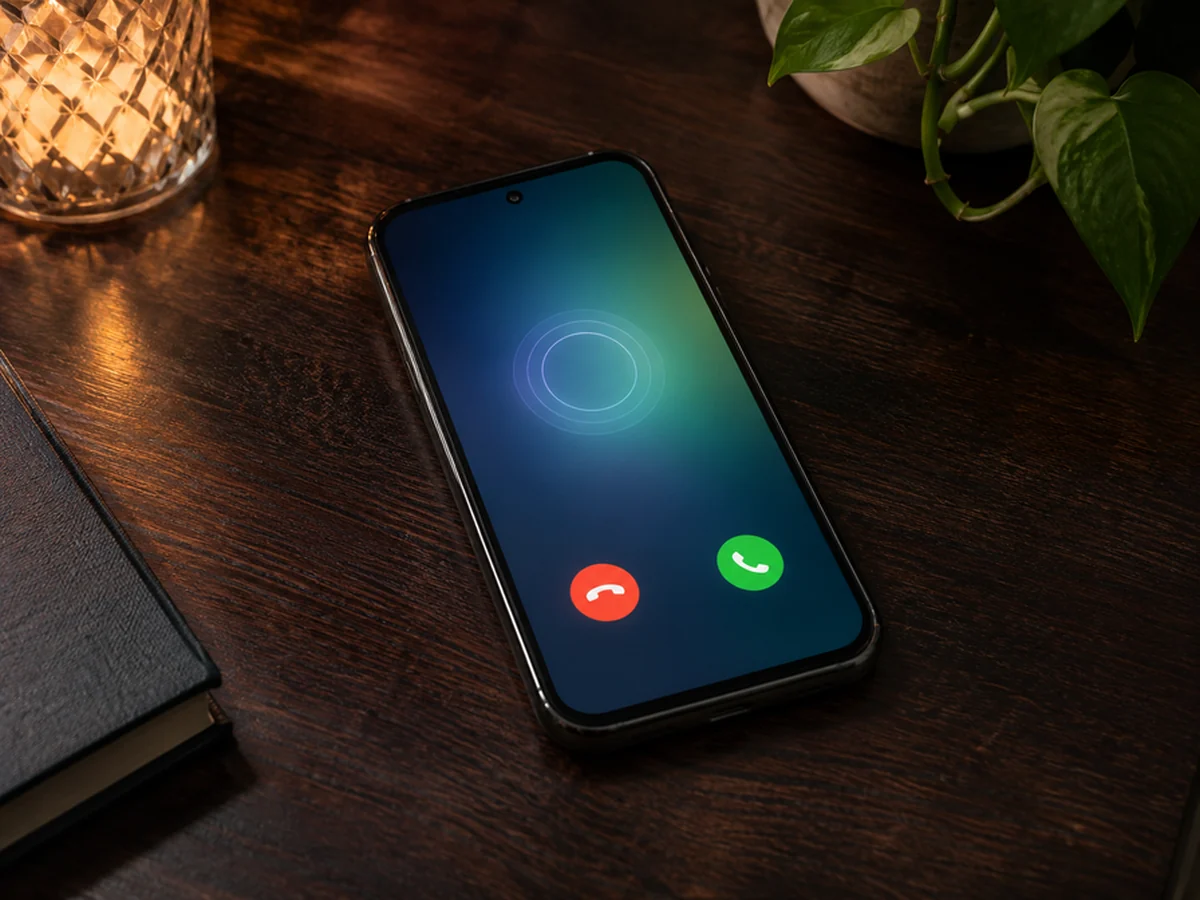
A familiar voice
Imagine your phone rings and you hear your child or parent crying, saying they have been in an accident or arrested and urgently need money. The voice sounds exactly right. This is the scenario behind a growing type of fraud using AI voice cloning, in which criminals use software to imitate a real person's voice. The technology has become cheap, widely available and convincing enough to fool even close relatives.
How cloning works
Voice cloning uses AI models trained on huge amounts of human speech, which learn the patterns that make each voice unique, such as pitch, accent, rhythm and tone. Given a short sample of a target's voice, sometimes only seconds long, the software can generate new speech in that voice saying anything the scammer types. Some tools can now change a speaker's voice in real time during a live call.
Where audio comes from
Scammers often obtain voice samples from videos posted on social media, voicemail greetings, podcasts, online videos or even brief phone calls in which they get the target to speak. They may also gather personal details, such as names of family members, schools and workplaces, from social media and data brokers, making their stories more believable. The more public audio and information exist, the easier the scam becomes.
Family emergency scams
The most common form targets families, especially older people, with fake emergencies, sometimes called grandparent scams. The caller claims to be a relative in trouble and asks for money to be sent quickly, often by wire transfer, cryptocurrency or gift cards, and may insist that the victim tell no one. A second voice may pose as a lawyer or police officer to add pressure. In 2023, the US Federal Trade Commission warned the public about such scams.
Targeting businesses
Criminals also use voice and video cloning to impersonate executives and trick employees into transferring money. In a widely reported 2020 case in the UAE, a bank manager was deceived into authorising transfers worth tens of millions of dollars by a caller using a cloned voice of a company director, according to court documents reported by Forbes. In 2024, the engineering firm Arup confirmed that an employee in Hong Kong transferred about 25 million dollars after a video call with deepfaked colleagues.
The scale of the problem
In its 2025 Internet Crime Report, released in 2026, the FBI counted AI-related fraud separately for the first time, recording more than 22,000 complaints linked to AI with losses of about 893 million dollars. Voice cloning, deepfake videos and AI-written messages were among the main methods. Actual losses are likely higher, since many victims do not report scams. Authorities worldwide, including in the UAE, have issued warnings.
Laws and rules
Governments are responding. In February 2024, the US Federal Communications Commission ruled that robocalls using AI-generated voices are covered by existing restrictions on artificial voices, making them illegal without consent, after a fake robocall imitating President Joe Biden's voice. Many countries are considering laws against impersonation using AI, and some AI companies have added safeguards, such as requiring consent before cloning a voice.
Protecting yourself
Experts recommend several simple steps. Be suspicious of any call demanding urgent payment and secrecy, even if the voice sounds real. Hang up and call the person back using a number you already know, or contact another family member. Agree on a family safe word that must be used in any genuine emergency. Never send money by gift cards or cryptocurrency on request. Banks will never ask you to transfer money to a safe account.
Helping older relatives
Older people are often targeted because they may be more trusting, less familiar with AI and have savings. In its 2025 report, the FBI said Americans over 60 reported losses of more than seven billion dollars to all types of online fraud. Talking with parents and grandparents about voice cloning, agreeing on a safe word and encouraging them to call back before paying can prevent heartbreaking losses.
Why it matters
Voice cloning shows how AI can be misused to exploit our deepest instincts to help people we love. The same technology has valuable uses, such as restoring the voices of people who have lost the ability to speak and creating audiobooks and translations. Awareness is the best defence: knowing that voices can be faked, and having a simple plan to verify, can protect families and businesses from costly scams.
Sources & further reading
- FBI · Internet Crime Complaint Center (IC3) ↗
- FTC · Scammers use AI to enhance their family emergency schemes (2023) ↗
- Malwarebytes · Americans lost nearly 900 million dollars to AI-powered scams, FBI says (2026) ↗
General safety information. If you are targeted, contact your bank and the police. Photograph: original AI-generated illustration (Adobe Firefly). Reference organisations do not endorse this website.