Economic moats. The art of staying ahead.
Explore fifteen businesses, five original posters, and the mechanisms that can make an advantage hard to copy.
Try the interactive guide
From the money in your pocket to the universe above you. Discover the connections that make our world make sense.

First stories in other fields

Fifty illustrated stories. New: industrial science, responsible sourcing, benchmarks, market activity, orders and options.
Explore the Silver collection →Explore forty illustrated gold posters in four chapters, with ten new articles on custody, benchmarks and gold-market contracts. Plus the production atlas, core lessons and interactive tools.
Descend to Earth’s core. Lower Everest into the deepest ocean. See Greenland and Africa at their true sizes.
Begin the expedition
New: the Economic Moat Atlas. Fifteen company studies and five original posters, alongside visual lessons and interactive money tools.
Explore fifteen businesses, five original posters, and the mechanisms that can make an advantage hard to copy.
Scarcity, permanence and institutional memory. An interdisciplinary essay on the metal, its monetary history and the discipline of its exchange.
Electrical conductivity concerns moving charge. Thermal conductivity concerns transferring heat. Silver excels at both, but an engineering design needs more than one favourable property.
Silver-based catalysts help manufacture ethylene oxide. Their value lies in reaction performance, while ageing and recovery remain part of the industrial story.
Brazing and soldering use a filler that melts below the base materials. Silver content is one part of an alloy specification, not a complete guarantee of joint performance.
Silver-oxide button cells combine silver oxide and zinc in a primary battery. Their compact energy storage and relatively stable discharge voltage suit particular small devices.
Dividing silver into smaller particles increases surface area relative to volume. Particle shape, coatings and aggregation still affect the behaviour of real nanosilver.
Responsible sourcing combines traceability, risk assessment, action and assurance. A certificate is evidence to examine, not a universal guarantee.
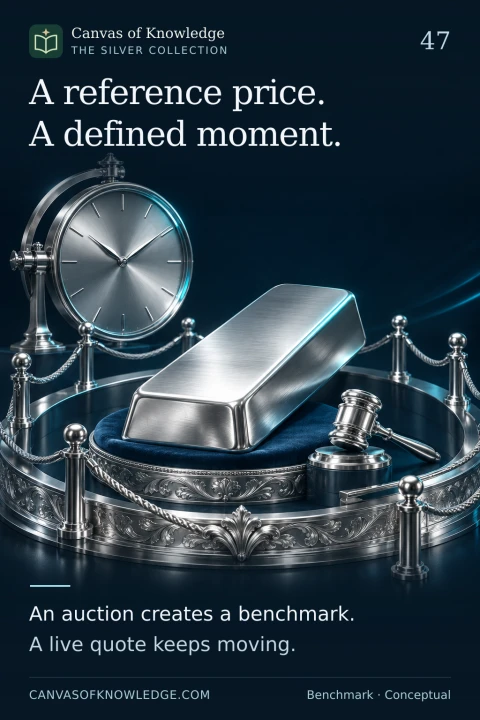
The LBMA Silver Price is an auction-derived benchmark for a defined wholesale market. It is not a continuously updating retail price.
One trade can add volume while increasing, reducing or leaving open interest unchanged. Count each contract once, not once for each side.
Market, limit and stop instructions balance different priorities. A stop level is a trigger; a limit can protect a price condition without guaranteeing a fill.
In a hypothetical one-ounce call, a $30 strike and $2 premium produce a $32 expiry break-even before costs. The option buyer can lose the whole premium.
Silver's conductivity, reflectivity and workability connect jewellery to some of the smallest parts inside modern technology.
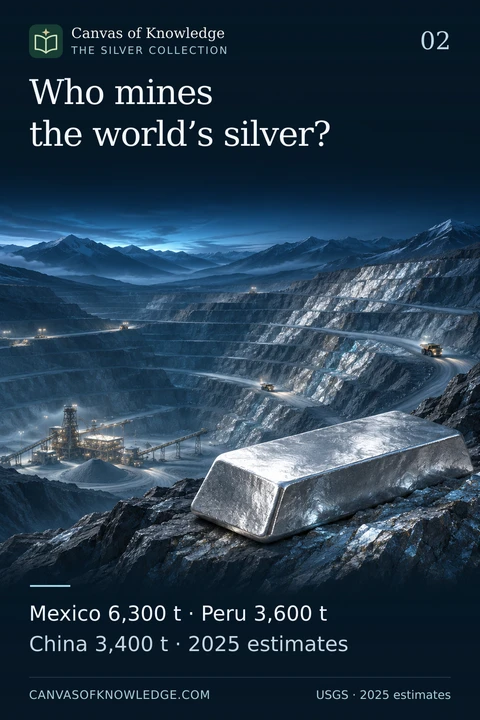
A geographical guide to USGS estimates of silver mine production in 2025, with the distinctions that make the numbers meaningful.
Why lead-zinc, copper and gold operations matter when understanding the supply of silver.
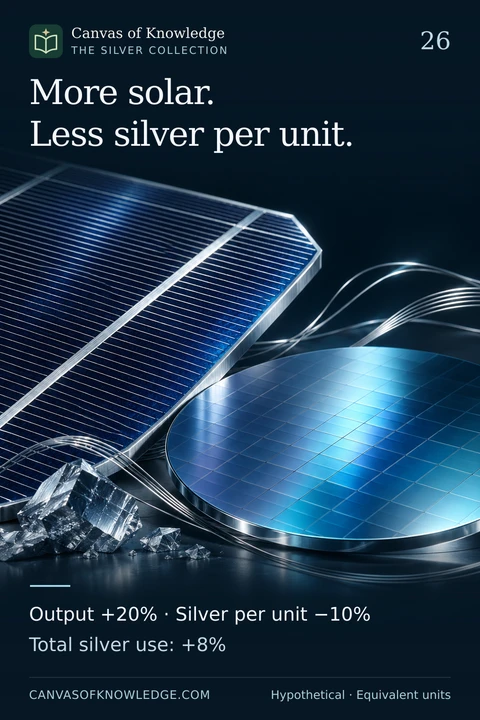
Separate the semiconductor's job from the metal contacts' job to understand why silver appears in many photovoltaic cells.
Explore contacts, conductive materials and the engineering trade-offs hidden inside everyday electrical systems.
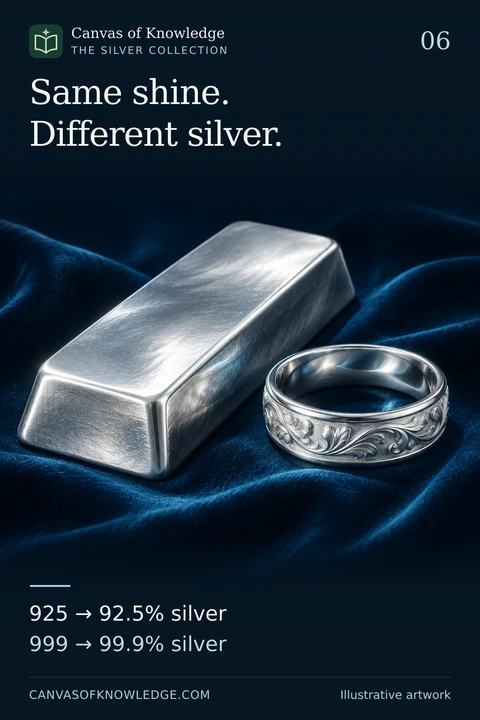
Read silver fineness, calculate fine-metal content and understand why a number stamped on an object is only part of the evidence.
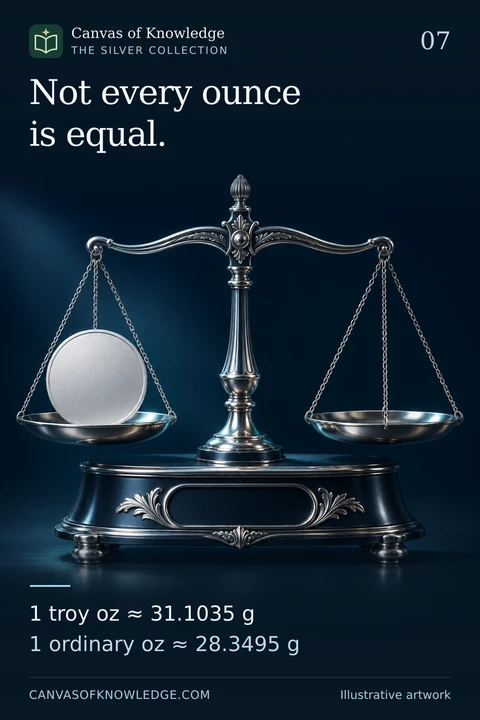
Understand the troy ounce, convert between grams and ounces, and keep physical weight separate from fine-silver content.
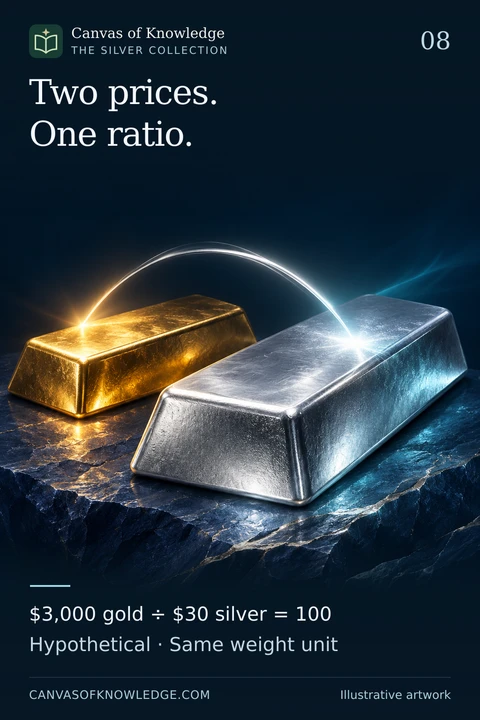
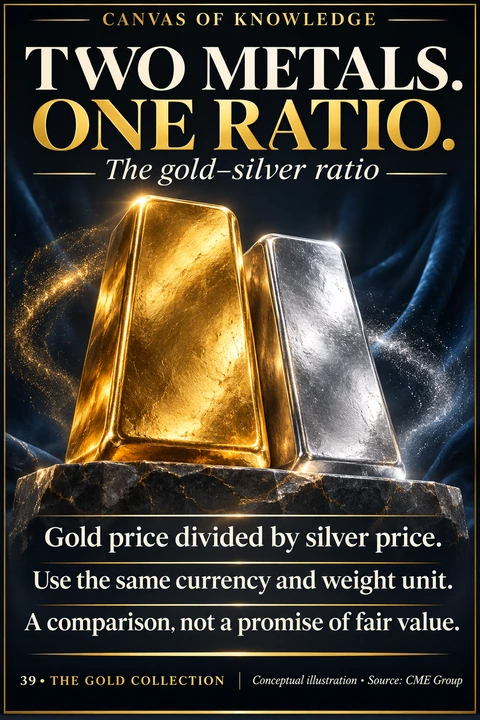
Calculate the gold–silver ratio and see why a changing ratio cannot, on its own, tell you which metal will rise or fall.
Trace a physical-silver purchase from the reference price to the dealer's selling price and eventual buyback proceeds.
Follow silver from discarded products and industrial scrap through collection, recovery and refining, without mistaking recyclability for a perfect closed loop.
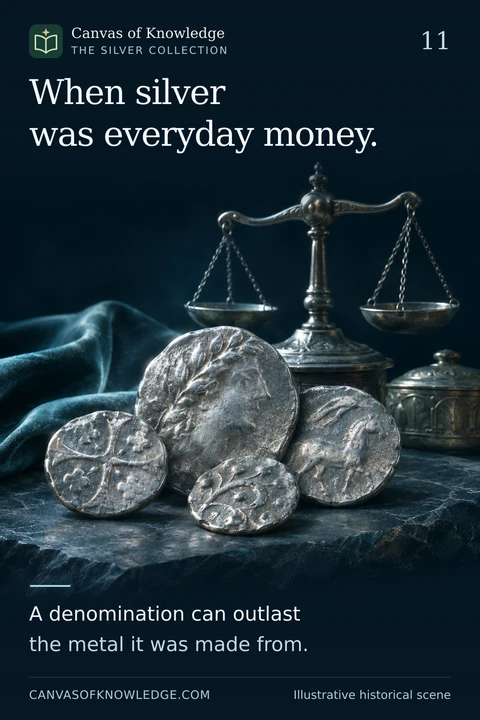
Britain's coinage shows how silver, denominations and the cost of minting changed together over time.
Silver halides connect exposure, development and fixing in many familiar black-and-white photographic processes.
Silver mirror coatings combine strong reflection with careful choices about surface position and protection.
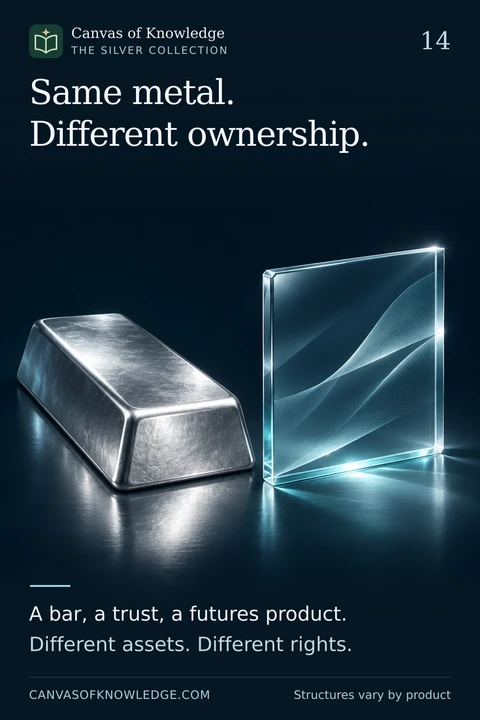
The word silver identifies a market, but it does not tell you what an investment product owns or what its holder can claim.
A price comparison makes sense only when the contract, settlement date and market basis are understood.
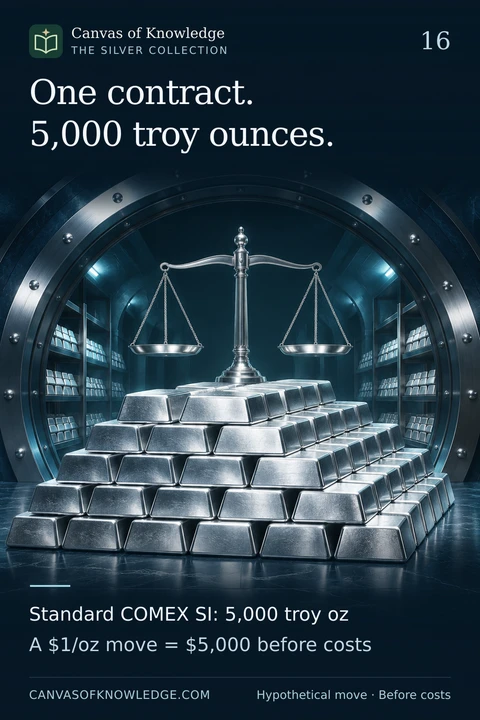
A futures quote is a price per ounce. The contract multiplier determines how many ounces that price movement affects.
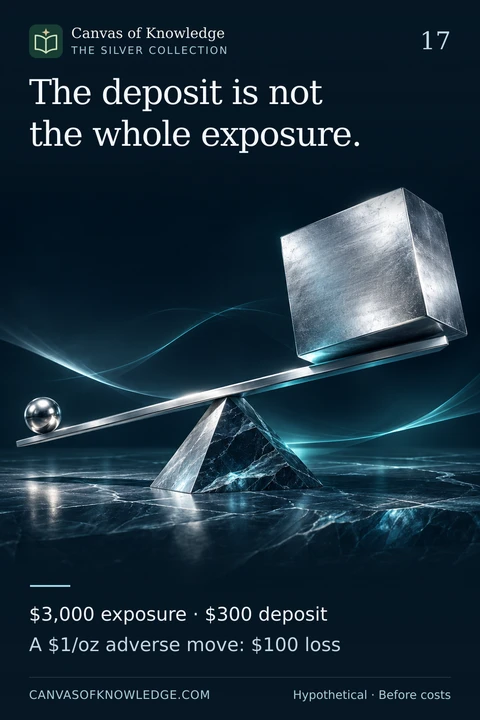
A hypothetical 100-ounce position shows why a modest price change can make a large difference relative to the margin deposited.
A liquid market can still move sharply. Spreads, available size and order conditions help explain the price an order actually receives.
LBMA's account definitions apply to silver as well as other precious metals. The central distinction is specific bars versus a contractual entitlement.
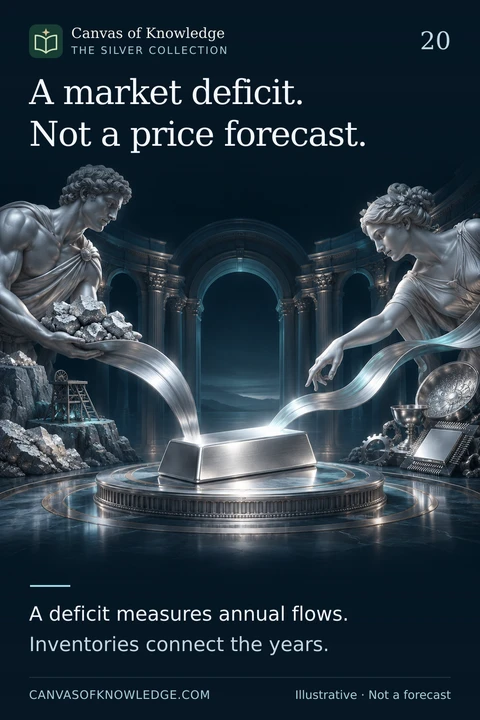
An annual silver deficit describes the relationship between measured flows. It does not, by itself, establish the timing or direction of the next price move.
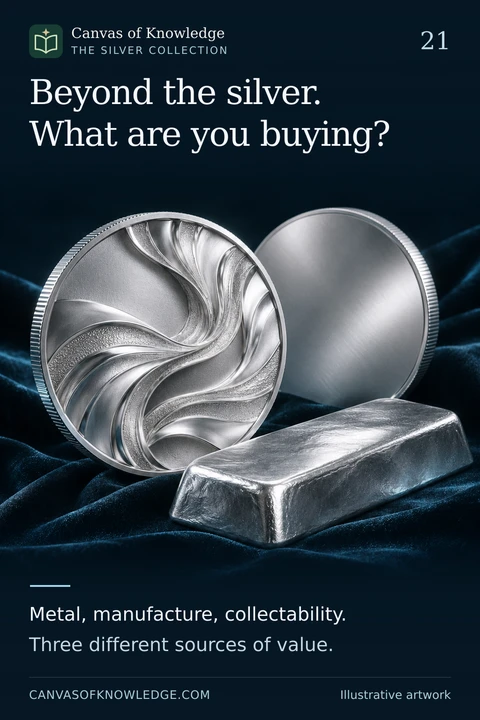
Separate the metal content, the issuing authority and the collector premium before comparing silver products.
Understand what a recognised hallmark establishes and why a surface analysis cannot describe an entire object.
Learn why silver darkens and why protective storage is often more useful than repeated polishing.
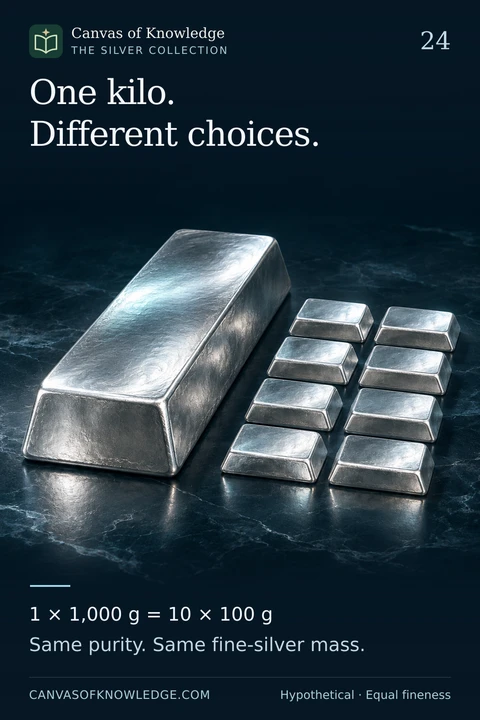
Compare one large bar with several smaller bars without confusing packaging, gross weight and fine-silver content.
Examine how custody charges, insurance terms and withdrawal costs affect the economics of holding silver.
Silver demand depends on how many products are made and how much silver each product needs. Both can change at the same time.
Collection, sorting and specialist processing connect discarded electronics to usable silver. Losses and costs can interrupt that journey.
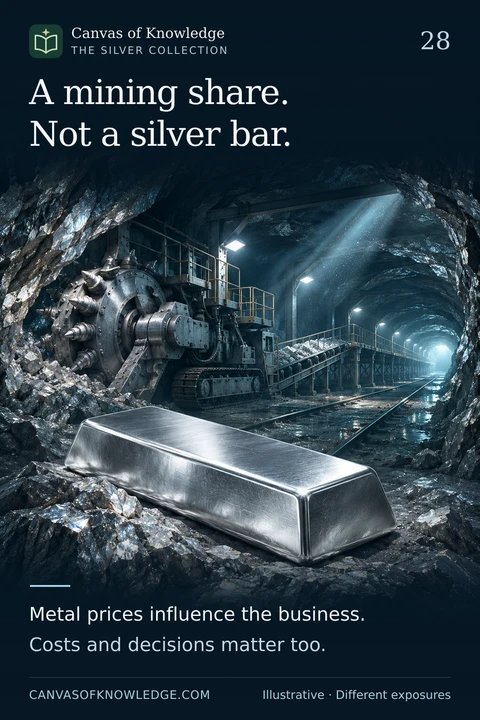
Silver mining shares combine metal-price exposure with operating, financing and equity-market risks. They do not mechanically track silver.
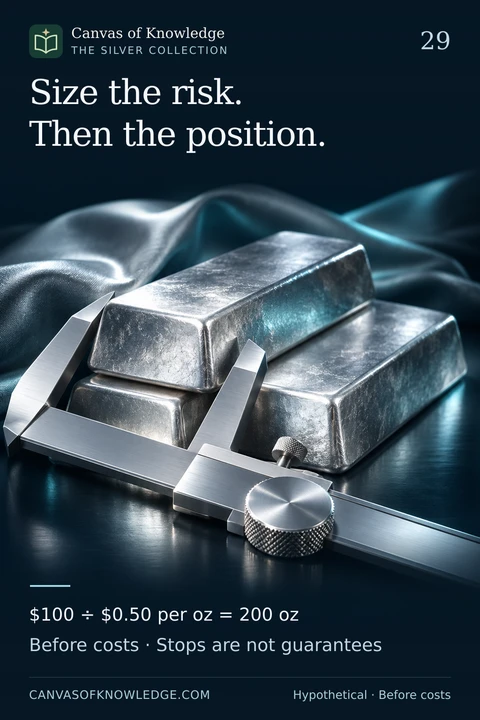
A risk budget and a price distance can estimate position size. They cannot guarantee the eventual loss or override contract rules.
A useful silver decision begins with the instrument and its terms. A compelling market story cannot replace those details.
Silver has several price drivers. Their importance changes, and a persuasive explanation is not a dependable forecast.
A hypothetical 10% silver-price gain with 5% inflation produces a real return of about 4.76%, before costs and tax.
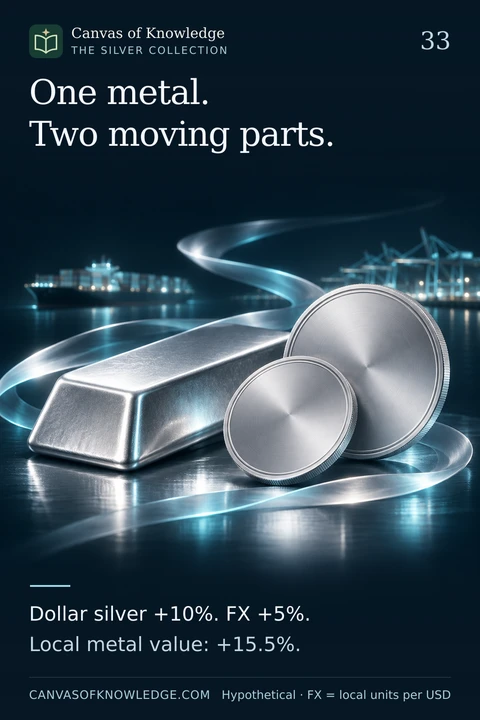
A hypothetical 10% rise in dollar silver and a 5% rise in local currency units per dollar combine into a 15.5% local metal-value gain.
Correlation depends on the assets, currency and period examined. A different asset name does not guarantee a different risk.
In a perfectly matched hypothetical hedge, a USD 3,000 short-futures gain offsets a USD 3,000 reduction in physical sale proceeds.
Rolling replaces an expiring contract with a later one. The resulting investment experience need not match the movement in a spot quotation.
Basis risk is the risk that the cash price relevant to a business moves differently from the futures price used to hedge it.
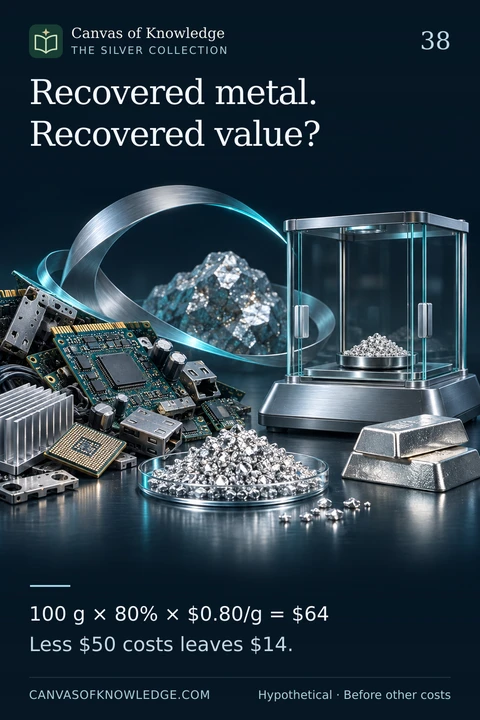
Contained silver, recovered silver and money left after processing are three different quantities. A small example makes the distinction visible.
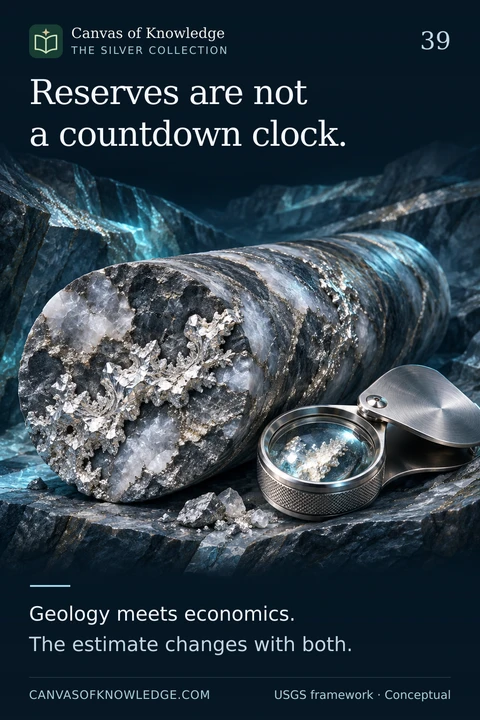
Resources describe a broader mineral potential. Reserves describe an economically recoverable subset under the conditions and definitions used.
Mine output, recycled supply and vault holdings measure different things. Keep their definitions, periods and uncertainties visible before drawing a conclusion.
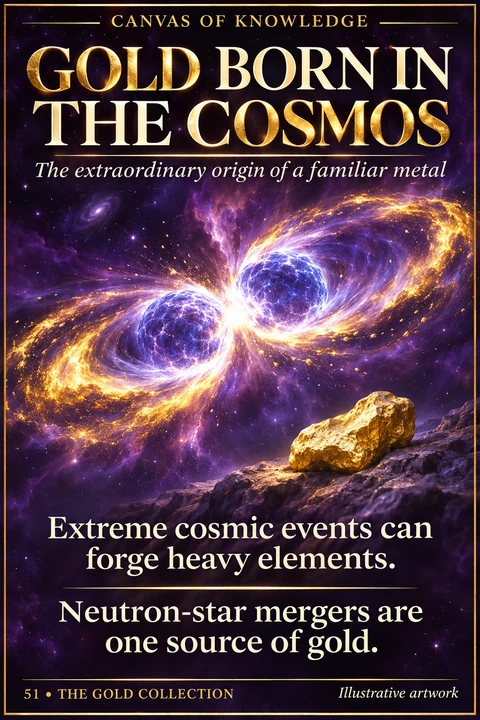
Gold’s story reaches beyond mines and even beyond Earth. Extreme astrophysical environments can build the heavy nuclei that become this familiar metal.
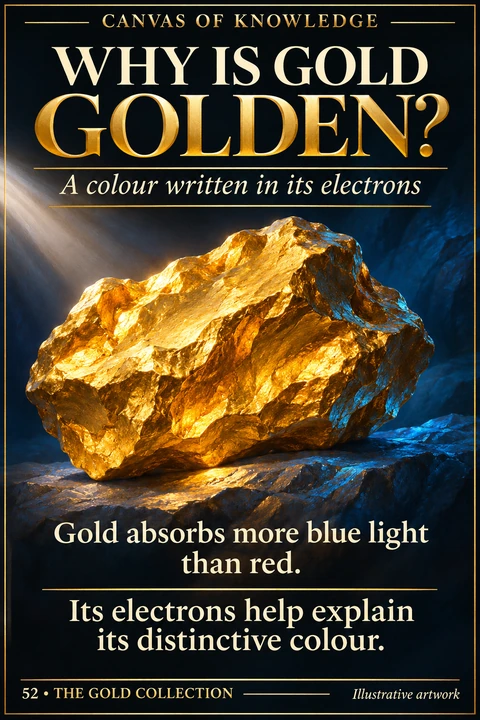
Gold’s yellow appearance is a physical response to light. Its electronic structure, including relativistic effects, helps explain why it differs from silvery metals.
Pyrite can catch the eye with a golden metallic shine. Its chemistry and physical properties tell a different story from its resemblance to gold.
A river does more than move sediment. Under suitable conditions, erosion, transport and gravity can concentrate gold grains released from their original rock.
Yellow, rose and white jewellery can all contain gold. Alloying and surface treatments explain why colour is a separate question from gold content.
Gold plating changes an object’s surface. Understanding the material underneath is essential before treating its appearance as evidence of its gold content.
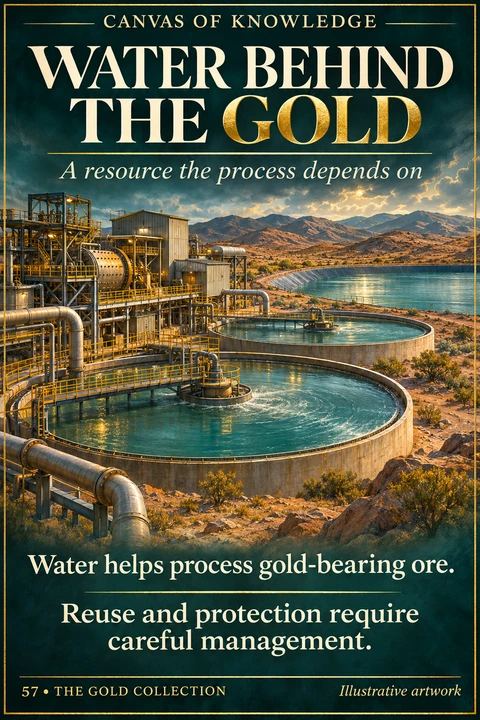
Gold production depends on water as well as rock and machinery. Its use, reuse and protection have to be understood in the circumstances of each mine.
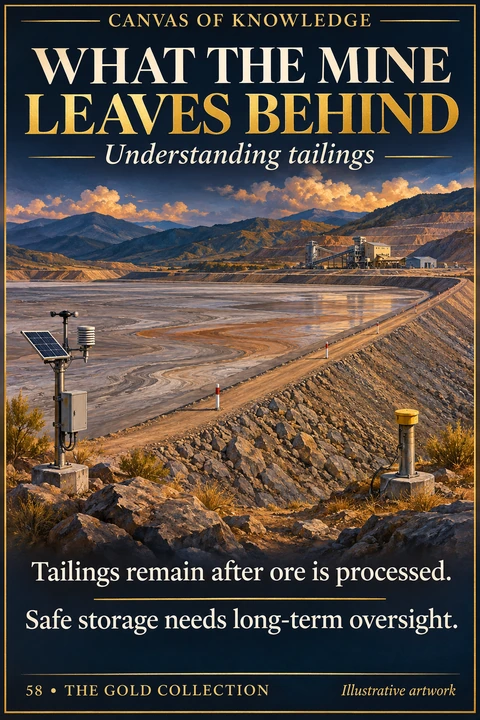
Recovering gold leaves processed material that must still be managed. Tailings are part of a mine’s long-term responsibilities, including after production ends.
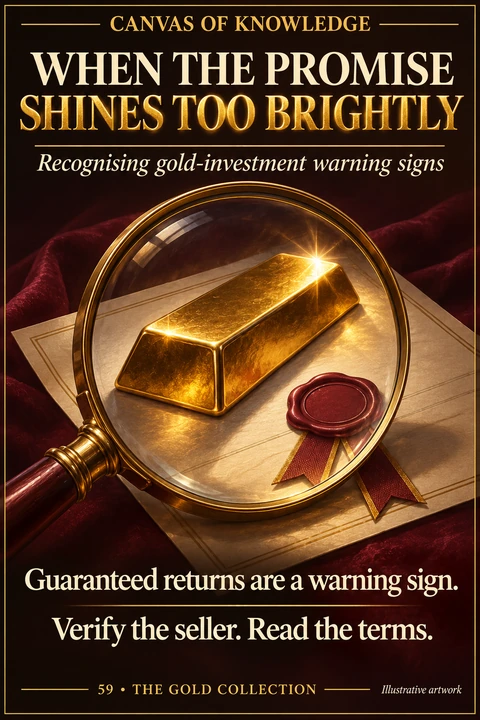
Gold’s reputation can be used to sell an unreliable promise. Recognising warning signs means examining the seller, the product and the terms independently.
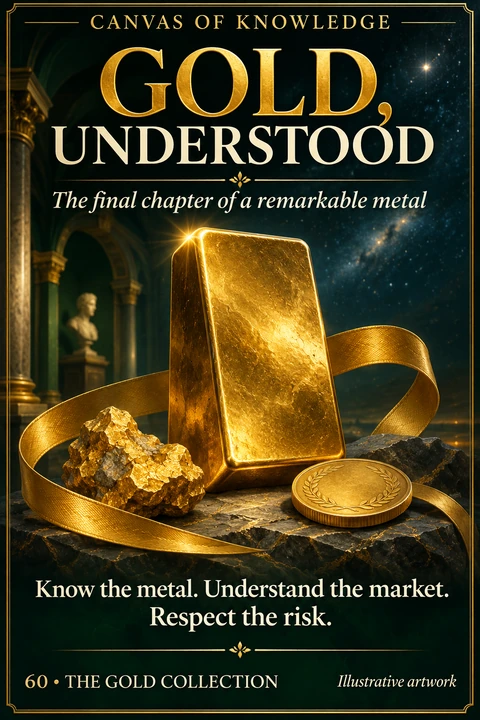
Sixty posters bring one metal into focus. This closing guide turns the collection into a practical way to read a gold object, a price and a financial promise.
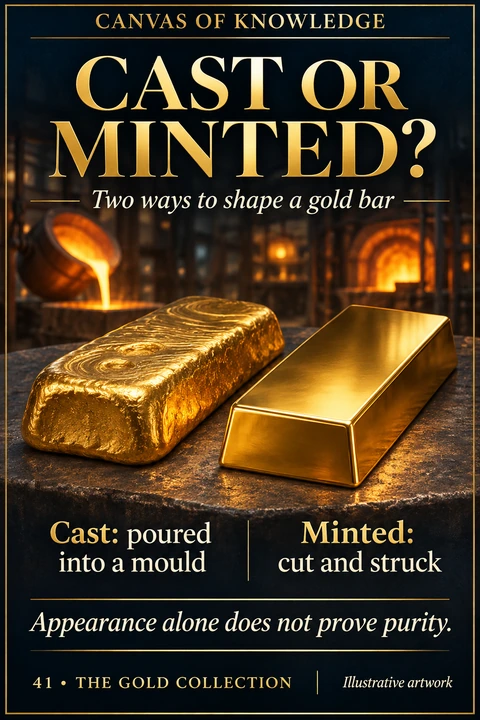
Two bars can hold the same amount of fine gold while looking very different. The distinction begins with how the metal is shaped and finished.
Assaying turns a claim about gold content into a measurement. The strength of the result depends on both the analytical method and the sample it examines.
A small set of marks can carry an independent statement about a precious-metal item. Reading it properly requires knowing the system behind it.
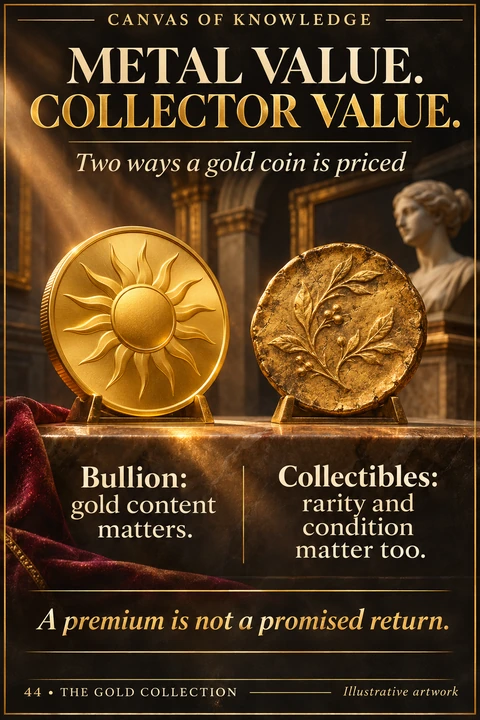
A gold coin can be valued for the metal it contains and for the object it is. Those two sources of appeal need not move together.
Gold’s extraordinary malleability lets a small quantity become a delicate surface. In gilding, the metal’s visual presence can be far greater than its mass suggests.
Gold can earn its place inside a device through a very thin coating. The useful combination is electrical conductivity and a surface that resists corrosion.
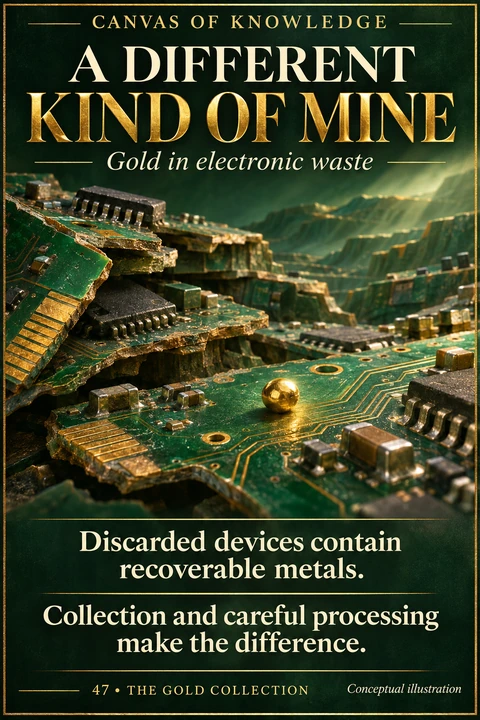
Discarded electronics contain valuable metals, including gold. Turning that potential into useful material depends on collection systems and controlled industrial recovery.
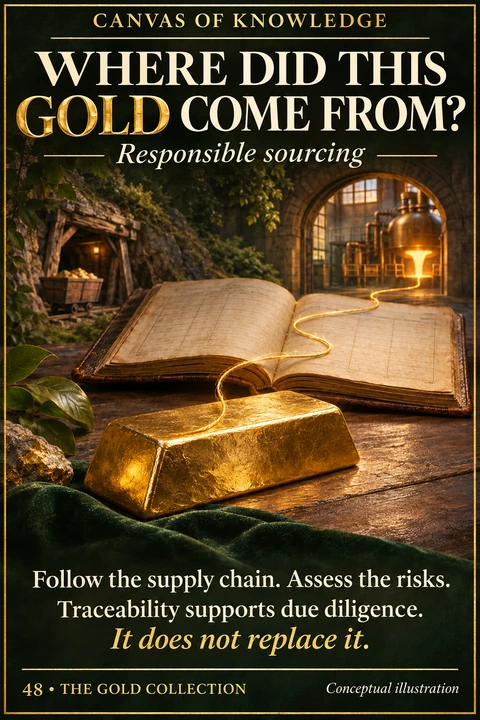
A bar has a physical composition and a supply-chain history. Responsible sourcing asks how risks are identified and addressed along that history.
Gold need not look golden. Tiny particles within ruby glass or suspended in a liquid interact with light differently from a solid bar.
The James Webb Space Telescope uses gold to help collect infrared light. Its mirrors show how a thin functional coating can matter more than a large mass of metal.
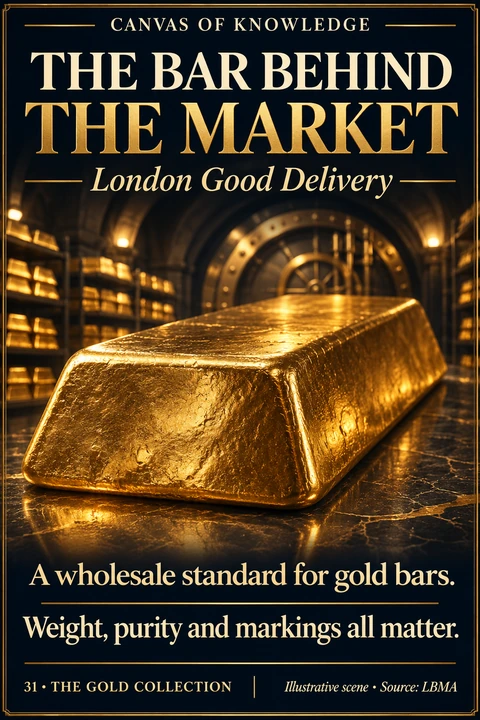
London Good Delivery turns a valuable lump of metal into a bar with defined specifications, identifiable markings and a place in wholesale settlement.
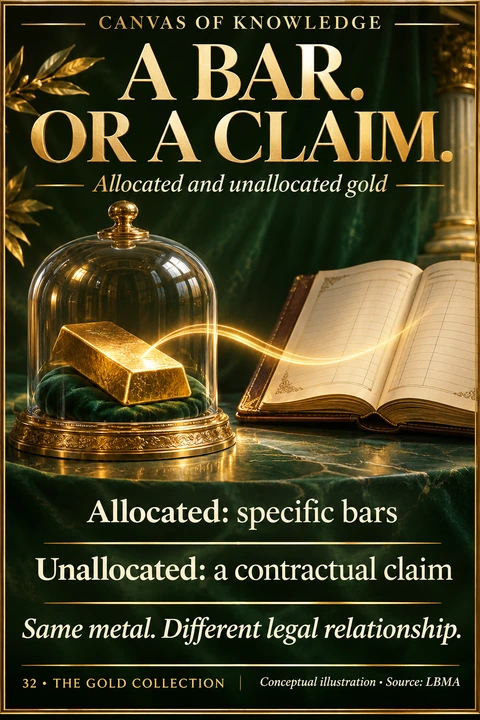
Allocated and unallocated gold accounts can refer to the same metal while creating different relationships between the customer, the bars and the account provider.
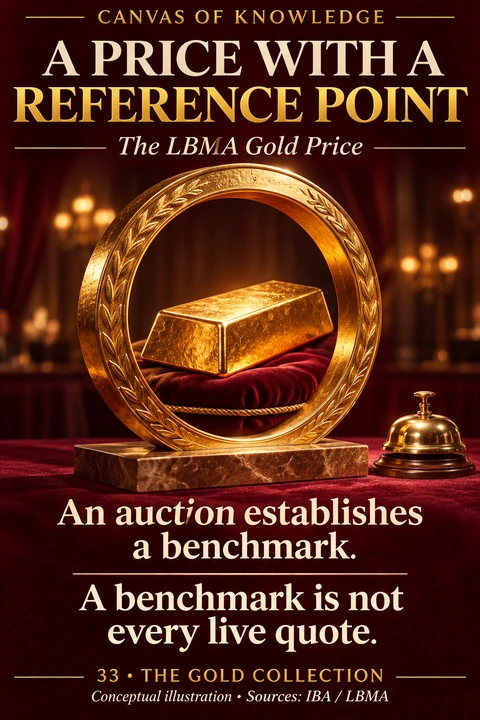
The LBMA Gold Price provides a named auction benchmark. Understanding what it measures helps separate that reference from a live dealer quote or a retail price.
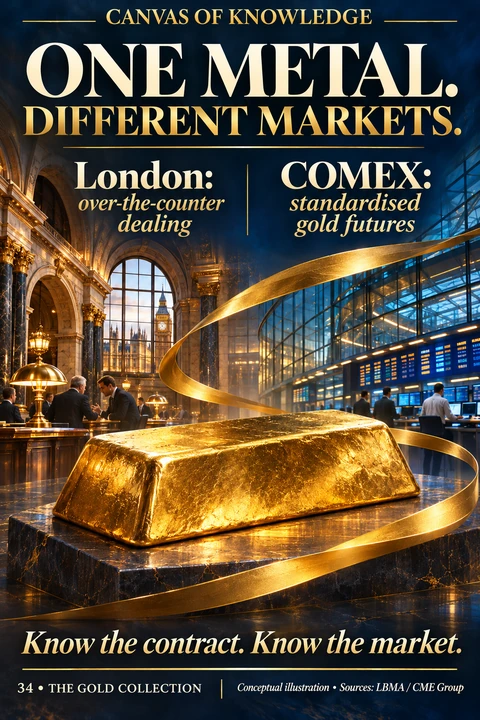
London bullion dealing and COMEX gold futures connect participants to gold through different contract, settlement and clearing arrangements.
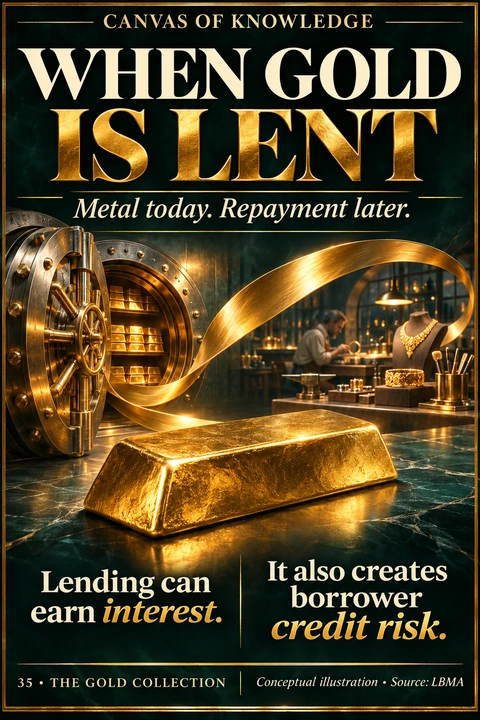
A bar does not pay a coupon simply by sitting in a vault. Lending metal can create income, but it also creates a repayment obligation and exposure to the borrower.
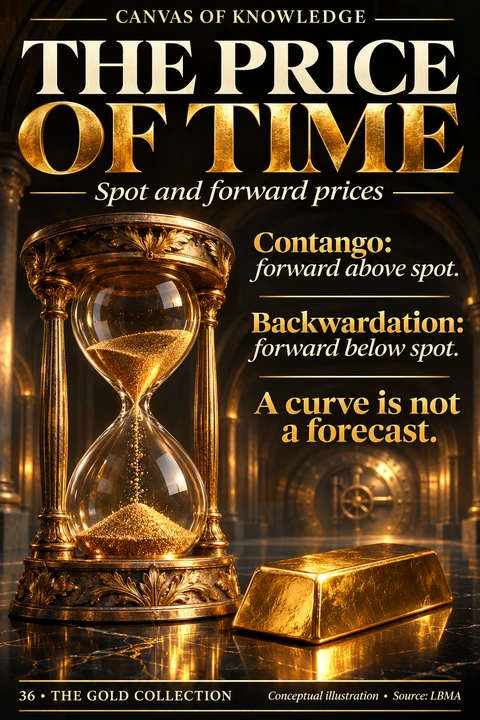
Why gold for later delivery can carry a different price from gold available now—and why that difference is not a forecast.
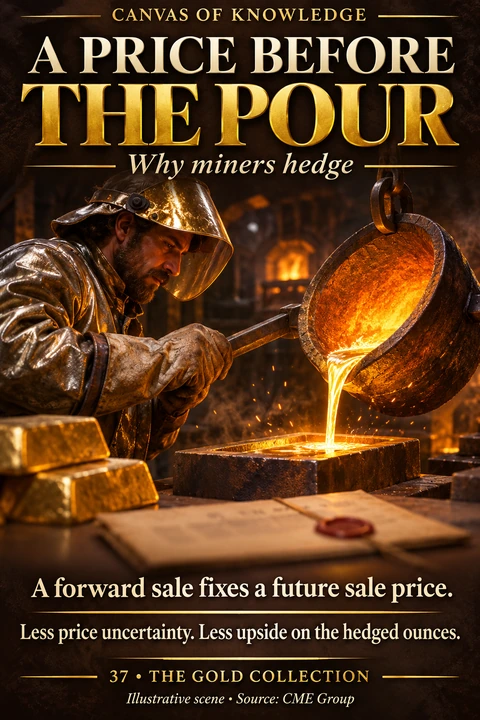
A miner can agree a selling price before its gold reaches the market. That reduces one uncertainty while leaving others in place.
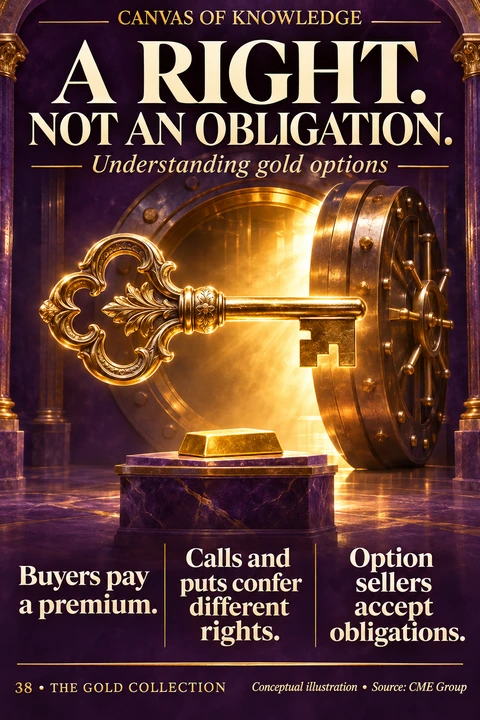
The difference between owning an option and writing one explains why the two sides have very different risks.
A simple division compares gold with silver, but the answer cannot tell you which metal is fairly priced.
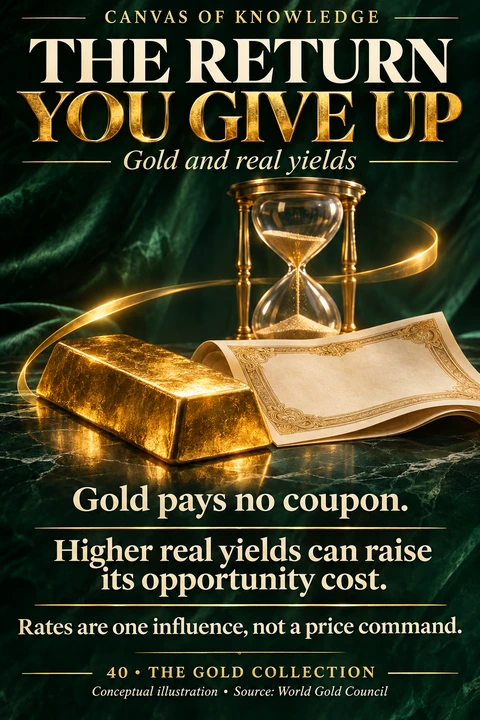
Gold’s lack of a coupon makes competing real yields relevant, but interest rates never explain the entire market.
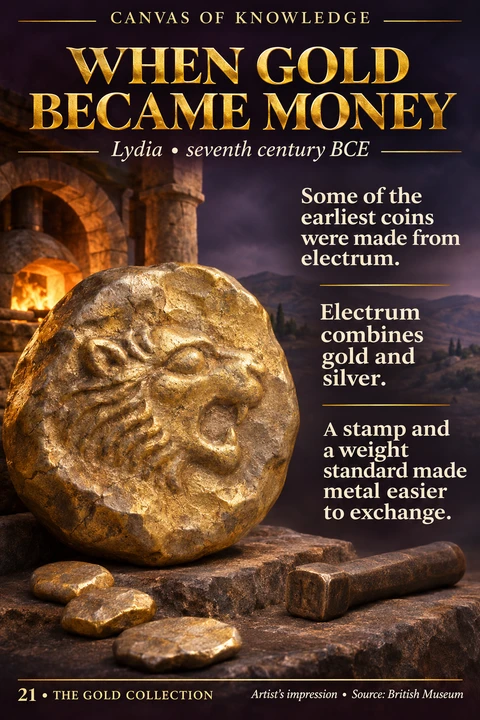
Lydia’s early electrum coins reveal how weight, authority and trust turned precious metal into a recognisable means of exchange.
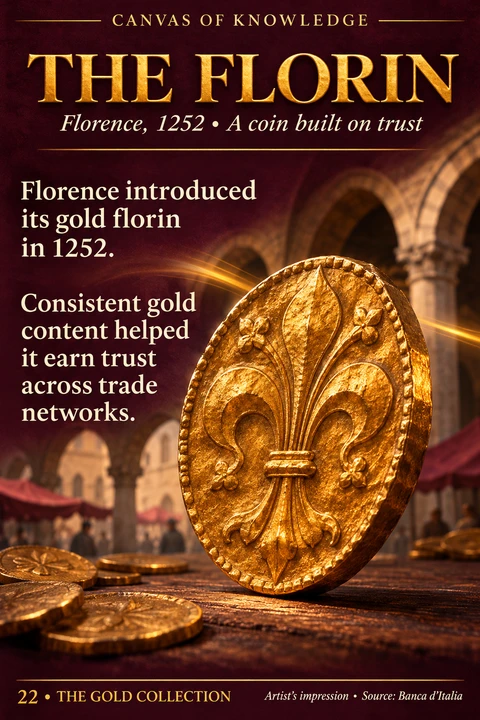
Introduced in Florence in 1252, the gold florin shows why reliable money depends on more than a valuable material.
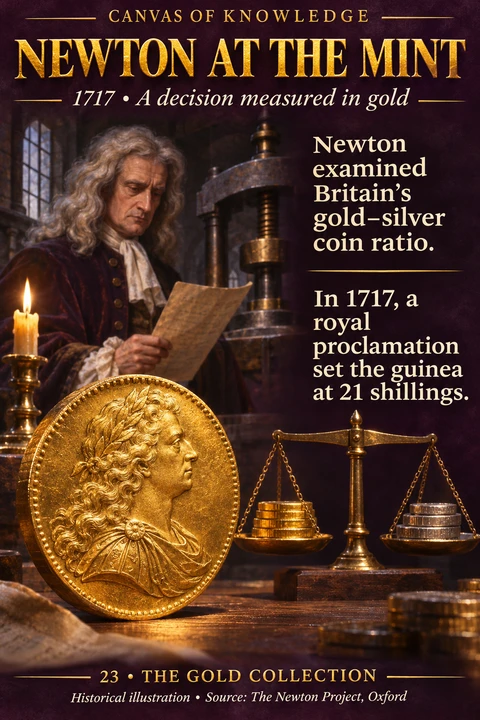
In 1717, a question about gold and silver became a question about incentives—and the guinea’s official value.
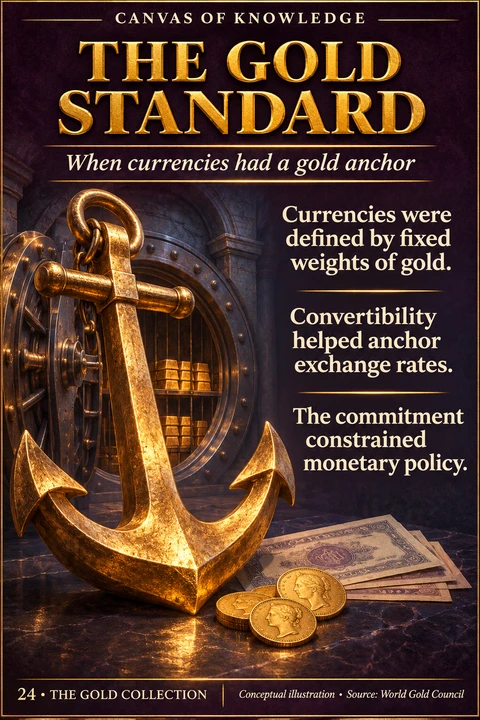
Fixed gold weights connected currencies to one another, but defending convertibility imposed difficult choices.
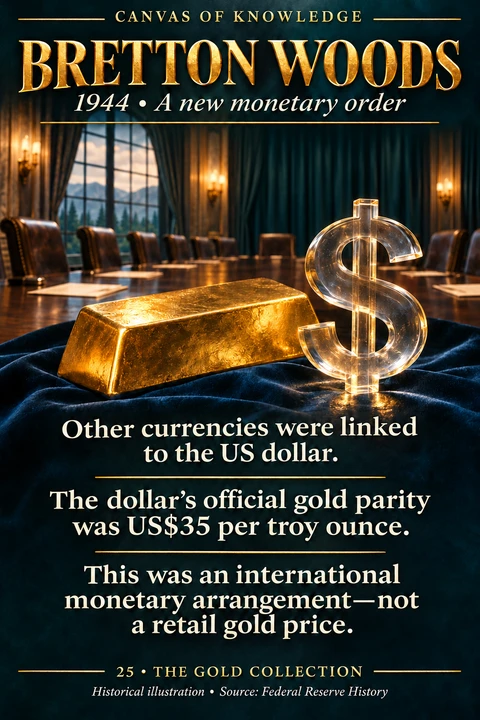
The 1944 agreement placed the dollar at the centre of a new international monetary framework, with gold behind its official parity.
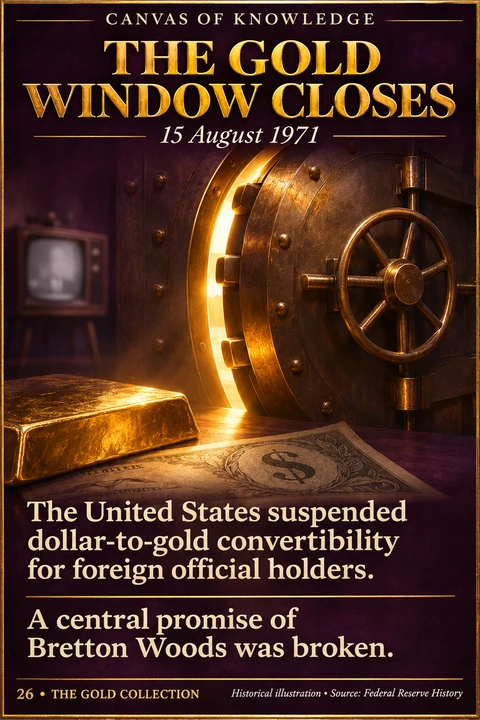
What changed on 15 August 1971—and why the transition to floating exchange rates was a longer process.
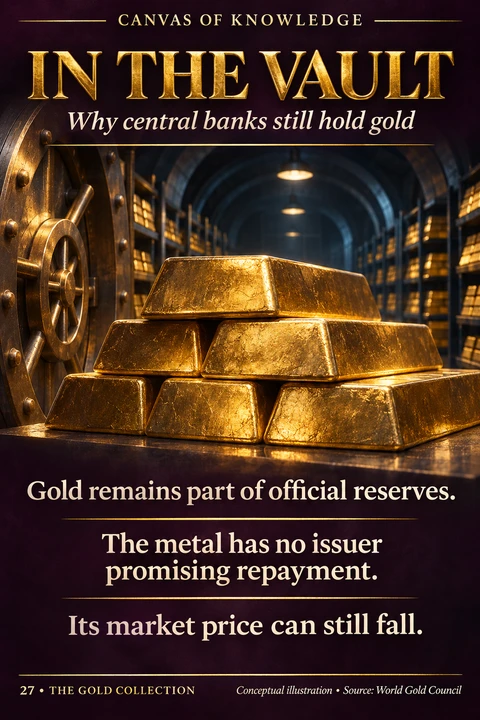
Gold remains an official reserve asset, but the absence of an issuer is different from the absence of risk.
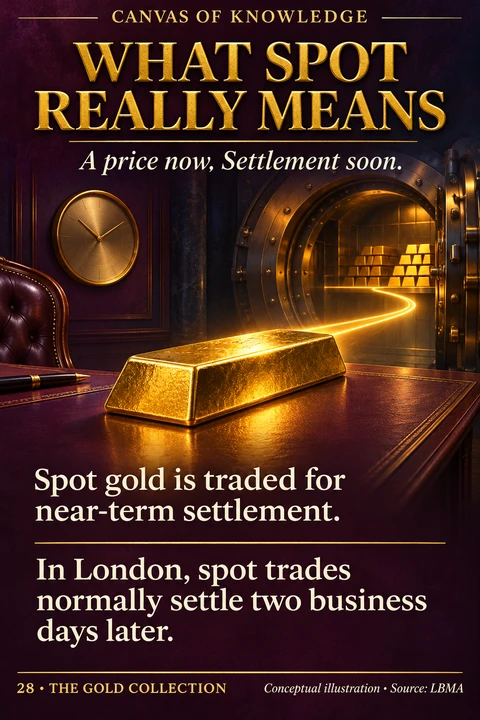
A price can be agreed now even when the exchange of money and metal settles later.
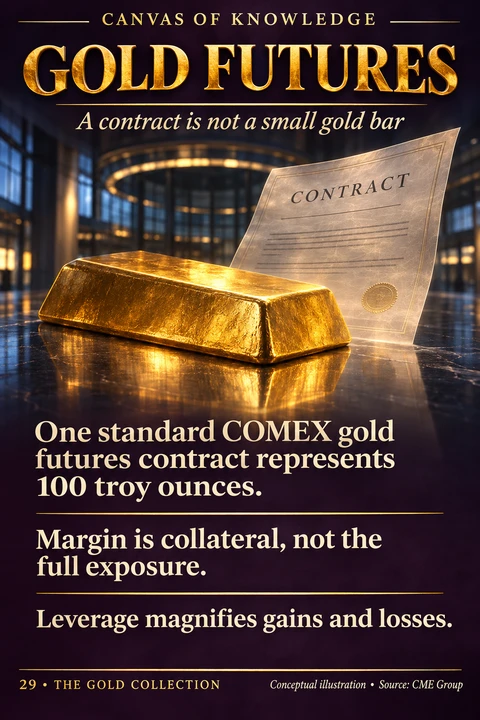
The standard COMEX contract represents 100 troy ounces. A smaller margin deposit does not make that exposure smaller.
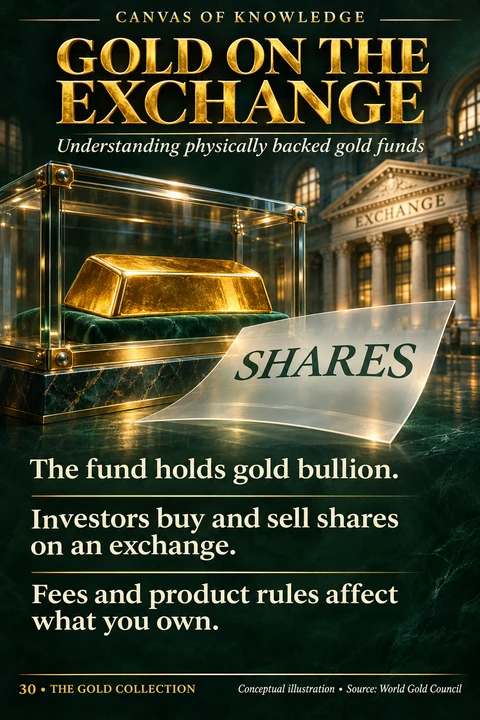
Physically backed gold vehicles combine bullion holdings with tradable securities. The legal structure determines what an investor actually owns.
How a handful of sea passages connects factories, energy supplies, and everyday life.
See why time changes the shape of growth—and what a smooth curve leaves out.
A journey through the crust, mantle, and core—and the evidence that reveals them.
Eight planets, one star, and a great deal of space in between.
From controlled electrical current to the logic inside a computer.
Why a world of local clocks needed common reference points.
The difference between prices rising, prices falling, and prices rising more slowly.
Why losses and recoveries are unequal—and what that reveals about investment risk.
Why the number of investments matters less than what they have in common.
Follow two identical starting balances and see how ongoing costs change the outcome.
The payments stay fixed. The price adjusts. Explore the arithmetic behind a bond’s changing value.
Separate a growing account balance from a growing ability to buy things.
One balance. Three repayments. See how time adds to the cost of borrowing.
A company can report a profit while cash leaves the business. Follow one unpaid invoice.
A lower share price can belong to a much larger company. Count all the slices.
Borrowing changes the size of a gain—and the size of a loss. Explore both sides.
Separate revenue from contribution, then find the point where a business covers its costs.
An overseas investment has two moving parts: the asset and the currency used to value it.
A price chart leaves out cash paid to investors. Put the two pieces back together.
Two annual returns can average zero while the invested balance ends lower.
Lower a mountain into the deepest ocean and discover what 10.9 kilometres really means.
Slide from a Mercator map to an equal-area map and watch Greenland shrink beside Africa.
Gold uses the troy ounce. Confuse the unit, and the conversion changes before the price even moves.
A 10-gram item in 21K contains 8.75 grams of fine gold in the ideal karat model.
Walk a dollar quote through weight, purity and exchange rate, one step at a time.
A purchase premium and a resale discount put two hurdles between the spot price and your result.
The ask is what a buyer pays. The bid is what a seller receives. Their gap matters on short trades.
A risk budget becomes a quantity only after you include the stop distance and an allowance for costs.
Two ounces at USD 3,000 create USD 6,000 of exposure, even when the initial margin is much smaller.
For the same two-ounce exposure, a USD 20 rise helps the long side and hurts the short side.
Win rate alone leaves out the size of wins, the size of losses and the cost of every trade.
A product name does not tell you how much gold exposure is inside one order. Read the contract specification.
Currency, interest rates, demand and investor positioning can pull gold in different directions.
Give a short-term trade a complete plan: context, invalidation, quantity, costs and a record of what happened.
China, Russia and Australia lead the picture. Explore the world’s major gold producers in an original, high-definition atlas.
No stories match that search yet. Try “space”, “money”, or another subject.
Some ideas make more sense when you can play with them. Explore how contributions, time, and compounding work together.
Understand the ideaAn educational model, not a forecast. Rates are hypothetical; fees, taxes, inflation, and market fluctuations are excluded.
Monthly compounding · Deposits at month end · Currency is a display unit.
Each month: balance × (1 + annual rate ÷ 12), then add the monthly deposit. The chart compares this balance with the total amount contributed. The annual rate is nominal, not an effective annual yield.
We bring ideas into focus with original diagrams, clear explanations, and links to the evidence. A place to follow a question across subjects—and enjoy the journey.
Meet the idea behind the canvas