What kidneys do
The two kidneys, each about the size of a fist, sit near the back below the ribs. They constantly filter the blood, removing waste products such as urea and creatinine, along with extra water and salts, which leave the body as urine. Healthy kidneys filter around 180 litres of fluid from the blood each day, returning most of it. They also help control blood pressure, make hormones that support red blood cells and keep bones healthy.
When kidneys fail
Kidney disease often develops slowly and silently, commonly linked to diabetes and high blood pressure. When kidneys lose most of their function, a condition called kidney failure or end-stage kidney disease, waste and fluid build up in the body. This can cause swelling, breathlessness, tiredness, nausea and dangerous changes in blood chemistry. At this stage, people need either dialysis or a kidney transplant to survive.
The idea of dialysis
Dialysis works through diffusion across a semi-permeable membrane, a thin barrier with tiny pores. Small waste molecules and salts can pass through, but blood cells and large proteins cannot. On one side of the membrane is the patient's blood; on the other is a carefully prepared fluid called dialysate. Waste moves from the blood, where it is concentrated, into the dialysate, where it is not, gradually cleaning the blood.
Haemodialysis
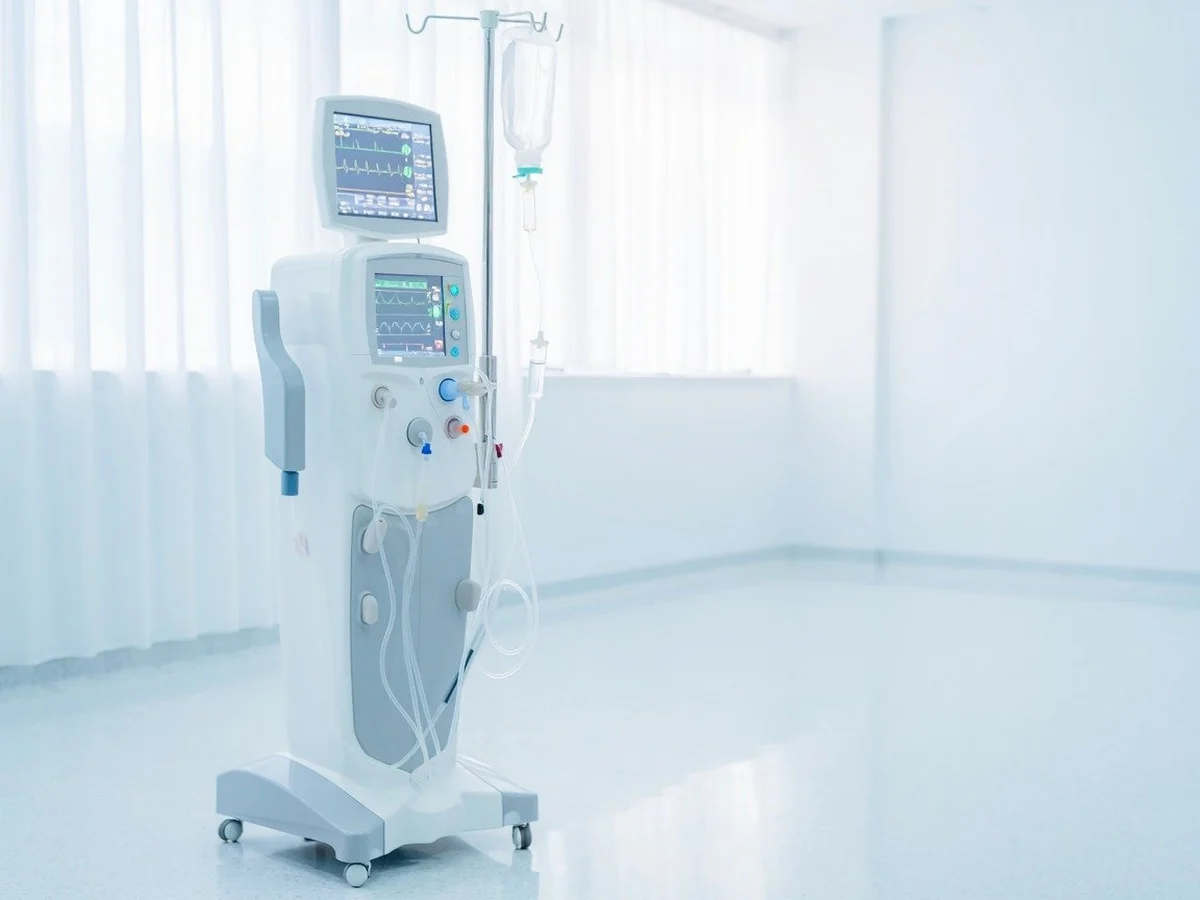
In haemodialysis, blood is pumped out of the body through a needle or tube, passed through a filter called a dialyser and returned to the body. To allow good blood flow, surgeons usually create a special connection between an artery and a vein in the arm, called a fistula. Many patients have treatment at a dialysis centre about three times a week, with each session typically lasting around four hours. Some people do haemodialysis at home.
Peritoneal dialysis
Peritoneal dialysis uses the body's own lining of the abdomen, the peritoneum, as the filter. A soft tube is placed into the abdomen, and dialysis fluid is drained in, left for several hours to absorb waste, then drained out and replaced. This can be done by hand several times a day or by a machine overnight while the person sleeps. Because it is done at home, it can offer more flexibility for work and travel.
A Dutch invention
The first practical artificial kidney was built by the Dutch doctor Willem Kolff during the Second World War, in 1943, using sausage casings, orange juice cans and a washing machine. His early patients did not survive, but in 1945 he successfully treated a woman with acute kidney failure. In 1960, American doctor Belding Scribner developed a permanent access device that made long-term, repeated dialysis possible for people with chronic kidney failure.
Living with dialysis
Dialysis replaces only part of what kidneys do. People on dialysis usually follow special diets that limit fluid, salt, potassium and phosphorus, and take medicines to protect their bones and blood. Treatment can be tiring and time-consuming, but many people work, study, travel and enjoy family life. Care teams of doctors, nurses, dietitians and social workers help patients manage their health and choose the treatment that suits them.
Transplants and prevention
For many people with kidney failure, a kidney transplant offers the best long-term outcome, but donor kidneys are in short supply. The UAE has expanded its organ donation and transplant programme in recent years, including a national system for registering donors. Preventing kidney disease is also vital: controlling blood sugar and blood pressure, staying active, avoiding smoking and having regular check-ups help protect the kidneys.
Inside a dialysis centre
A dialysis centre is a busy place, often open from early morning until late evening to fit treatments around patients' lives. Nurses and technicians prepare machines, check blood pressure and monitor patients throughout each session. Water used for dialysis must be purified to very high standards. Many patients get to know each other well, and centres often become an important source of support and community.
Looking ahead
Researchers are working on smaller, wearable and even implantable artificial kidneys that could make treatment more continuous and less disruptive. Better membranes and machines are improving comfort and safety. For now, dialysis remains one of modern medicine's great achievements, turning what was once a fatal condition into one that people can live with for many years with the right care and support.
Sources & further reading
General information, not medical advice. Anyone with kidney concerns should speak to a doctor. Photograph: original AI-generated illustration (Adobe Firefly). Reference organisations do not endorse this website.