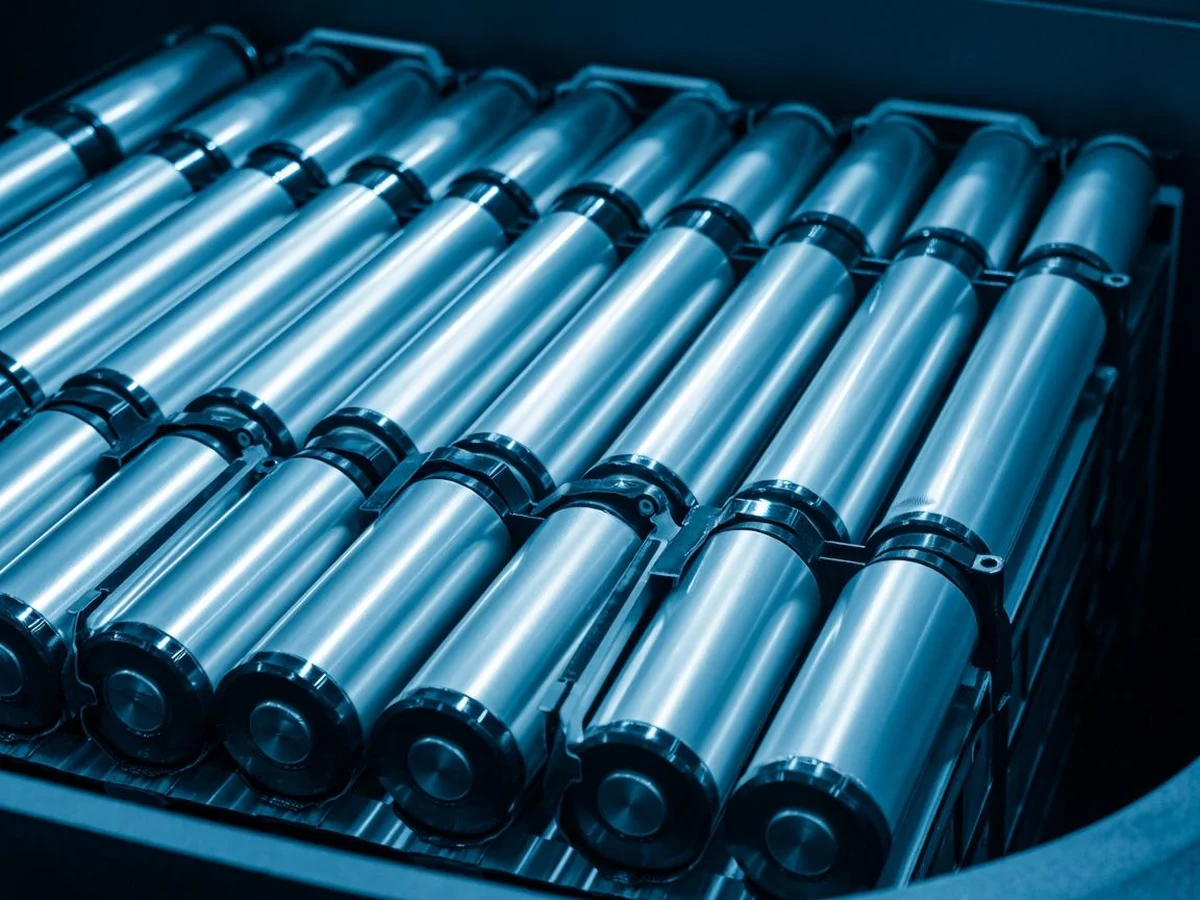
A metal found with zinc
Cadmium is a soft, bluish-white metal with the chemical symbol Cd and atomic number 48. It sits directly below zinc in the periodic table and behaves in similar ways chemically. That is why it is found mainly in zinc ores, especially the mineral sphalerite. There are almost no ores mined for cadmium alone. Instead, nearly all cadmium is recovered as a by-product when zinc is refined, and smaller amounts come from lead and copper processing.
Discovery
Cadmium was discovered in 1817 by the German chemist Friedrich Stromeyer. He was investigating zinc carbonate that changed colour when heated, which should not have happened with pure zinc. He found that it contained a new element. Its name comes from cadmia, the Latin name for zinc carbonate, itself linked to the Greek legend of Cadmus. Other chemists discovered it independently around the same time while studying zinc compounds.
Brilliant pigments
Some of cadmium's most famous uses are in art. Cadmium sulphide gives a strong, warm yellow, and adding selenium produces oranges and deep reds. From the nineteenth century, artists including Claude Monet used cadmium pigments for their brightness and resistance to fading. Cadmium colours are still prized by painters, but their use in consumer products such as plastics and ceramics is restricted in many countries because of health concerns.
Rechargeable batteries
For much of the twentieth century, cadmium's biggest use was in nickel-cadmium, or NiCd, rechargeable batteries. They powered cordless tools, early mobile phones, emergency lighting and aircraft systems because they were reliable and could deliver high currents. Over time, nickel-metal hydride and lithium-ion batteries replaced them in most consumer products. The European Union has restricted NiCd batteries in portable devices, with exceptions for some specialist uses.
Solar panels
Today, cadmium plays an important role in clean energy. Cadmium telluride is used to make thin-film solar panels, a technology that uses far less semiconductor material than conventional silicon panels. Cadmium telluride panels perform well in hot climates and have been installed in large solar farms around the world. Within the panel, the cadmium is locked in a stable compound sealed between glass layers, and manufacturers run recycling programmes for old panels.
Coatings and alloys
Cadmium has also been used as a protective coating on steel, especially for aerospace and military equipment, because it resists corrosion in salty, marine environments and helps parts slide smoothly. It appears in some special alloys, such as low-melting solders, and in control rods for some nuclear reactors, because it absorbs neutrons well. Many of these uses are now limited or replaced by alternatives where possible.
Why it is toxic
Cadmium is toxic to humans even in small amounts over long periods. It can build up in the kidneys and bones and stay in the body for decades. Breathing in cadmium fumes or dust, for example in some industrial jobs, can damage the lungs. The International Agency for Research on Cancer classifies cadmium and its compounds as carcinogenic to humans. Smoking is a major source of cadmium exposure for many people, because tobacco plants absorb it from soil.
A lesson from Japan
One of the best-known cases of cadmium poisoning happened in Japan's Toyama Prefecture in the early and mid twentieth century. Mining waste containing cadmium contaminated the Jinzu River, which was used to irrigate rice fields. Local residents who ate the rice developed severe bone and kidney disease, known as itai-itai disease, meaning ouch-ouch disease because of the pain. The case led to stronger environmental laws and awareness of heavy-metal pollution.
Where cadmium comes from today
Because cadmium is recovered mainly from zinc refining, its supply depends on how much zinc the world produces rather than on demand for cadmium itself. China, South Korea, Japan and Canada are among the larger producers. When demand for cadmium batteries fell, some refineries had more cadmium than they could sell, so finding safe, long-term uses and storage became an important question for the industry.
Using it safely
Today, cadmium is controlled by strict rules on workplace exposure, emissions, waste and its presence in consumer goods. The European Union's restriction of hazardous substances in electronics limits cadmium content, and many countries set limits for cadmium in food, toys and jewellery. Recycling batteries and solar panels properly keeps cadmium out of landfills. The challenge is to keep its benefits, especially for solar energy, while protecting people and the environment.
Sources & further reading
General information; follow official safety guidance when handling any cadmium-containing material. Photograph: original AI-generated illustration (Adobe Firefly). Reference organisations do not endorse this website.