Born in Stockholm
In June 1972, the United Nations held its first major conference on the environment in Stockholm, Sweden, the UN Conference on the Human Environment. Governments agreed that protecting the environment needed international cooperation, and later that year the UN General Assembly created the United Nations Environment Programme, known as UNEP. It became the UN's main body for environmental issues, setting the global environmental agenda and promoting sustainable development.
A home in Nairobi
UNEP's headquarters is in Nairobi, Kenya. It was the first UN agency to be based in the developing world, a decision that reflected the importance of environment and development for all countries. Nairobi is now also home to UN-Habitat and other UN offices. UNEP has regional offices around the world, including an office for West Asia in Bahrain, which works with countries in the Gulf region on environmental issues.
The UN Environment Assembly
Since 2014, UNEP's governing body has been the United Nations Environment Assembly, which brings together all 193 UN member states. It meets every two years in Nairobi and is often described as the world's parliament on the environment. The Assembly adopts resolutions on issues such as plastic pollution, chemicals, oceans and sustainable consumption. In 2022, it launched negotiations towards a global treaty to end plastic pollution.
Healing the ozone layer
One of UNEP's greatest successes involves the ozone layer, which shields life from harmful ultraviolet radiation. In the 1980s, scientists found that chemicals called chlorofluorocarbons, used in fridges and aerosol cans, were destroying ozone, creating a hole over Antarctica. UNEP helped negotiate the Vienna Convention in 1985 and the Montreal Protocol in 1987, which phased out these chemicals. Scientists expect the ozone layer to recover substantially by around the middle of this century.
Climate science
In 1988, UNEP and the World Meteorological Organization set up the Intergovernmental Panel on Climate Change, the IPCC, which assesses climate science for governments. UNEP also publishes the annual Emissions Gap Report, which compares countries' pledges to cut greenhouse gases with what is needed to meet the goals of the Paris Agreement. These reports are widely used by policymakers and the media during climate negotiations.
Nature and biodiversity
UNEP supports efforts to protect ecosystems and wildlife. It hosts the secretariats of several important agreements, including the Convention on Biological Diversity and the Convention on International Trade in Endangered Species, known as CITES. It also works on restoring degraded land, protecting oceans and coral reefs and fighting illegal wildlife trade. The UN Decade on Ecosystem Restoration, from 2021 to 2030, is co-led by UNEP and the Food and Agriculture Organization.
Pollution and waste
Pollution of air, water and soil causes millions of early deaths each year. UNEP helps countries clean up leaded petrol, which was finally phased out worldwide in 2021 after a long campaign it led, as well as reduce mercury use, manage chemicals and improve waste systems. Its Global Waste Management Outlook tracks how much rubbish the world produces and how it can be reduced, reused and recycled more effectively.
World Environment Day
UNEP leads World Environment Day, held every year on 5 June since 1974. Each year, a different country hosts the main events, and a theme focuses attention on a particular issue, such as plastic pollution, land restoration or air quality. Millions of people take part through clean-ups, tree planting and school activities. The UAE regularly marks the day with campaigns on sustainability, and hosted the COP28 climate conference in Dubai in 2023.
Working with business and cities
UNEP does not only work with governments. It partners with banks, insurers and companies through initiatives such as its Finance Initiative, which encourages sustainable investment. It also works with cities on cleaner air, efficient buildings and better public transport, because cities produce a large share of emissions and waste. These partnerships aim to turn global agreements into practical changes in everyday life.
Why it matters
Climate change, biodiversity loss and pollution do not stop at borders. UNEP's role is to provide the science, bring countries together and support practical action. Its successes, especially on the ozone layer and leaded petrol, show that global cooperation can solve environmental problems. Its ongoing work on climate, plastics and nature will help shape the planet that future generations inherit.
Sources & further reading
- UNEP · About UN Environment Programme ↗
- UNEP · Montreal Protocol ↗
- Wikipedia · United Nations Environment Programme ↗
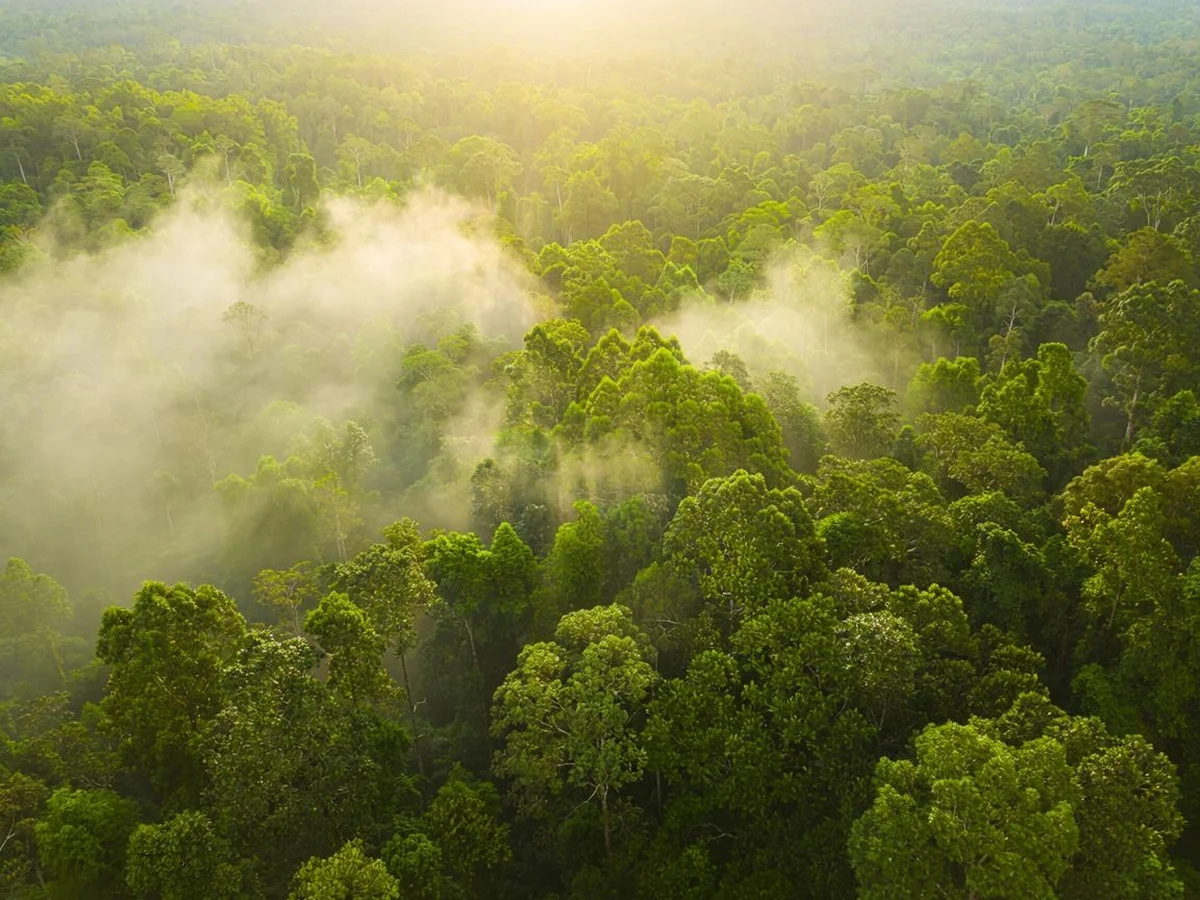
General information; programmes and structures may change over time. Photograph: original AI-generated illustration (Adobe Firefly). Reference organisations do not endorse this website.