From sand
Zirconium is extracted mainly from zircon, a hard mineral found in heavy mineral sands in Australia, South Africa and elsewhere. Most zircon is used directly in ceramic tiles, glazes and foundry moulds. Only a small fraction is converted into zirconium metal, through demanding chemical processing.
Why reactors need it
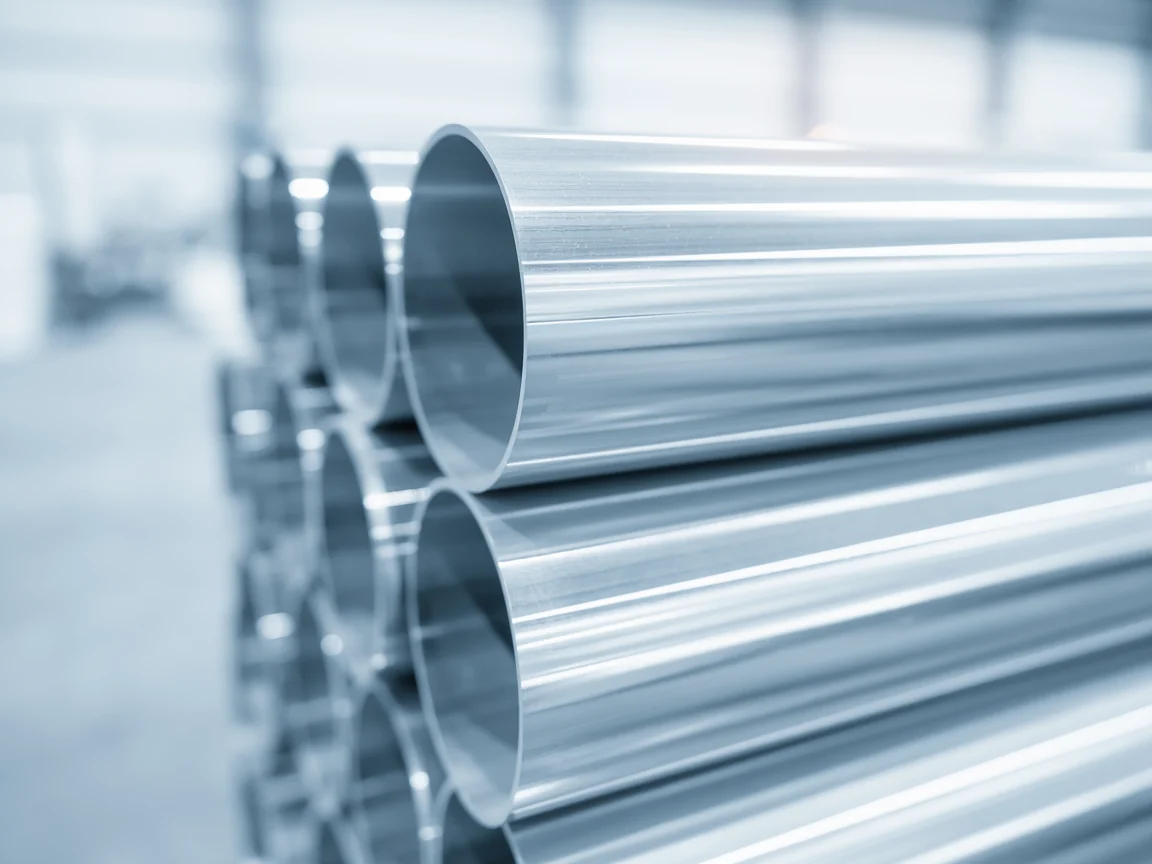
In a nuclear reactor, uranium fuel pellets are sealed inside long, thin tubes called cladding. The tubes must survive heat, radiation and corrosive water for years—and must not absorb the neutrons that keep the chain reaction going. Zirconium alloys, often called zircaloy, meet all three needs.
Separating the twins
Zirconium ore always contains hafnium, a chemically almost identical element that absorbs neutrons strongly. For nuclear use, hafnium must be removed almost entirely—one of the hardest separations in industrial chemistry. The recovered hafnium is itself used to make reactor control rods.
Beyond reactors
Zirconium oxide, or zirconia, is extremely hard and tough. It is used in ceramic knives, dental crowns and implants, and in oxygen sensors in car exhausts. Cubic zirconia, a synthetic crystal, became a popular diamond substitute in jewellery. At high temperatures, though, zirconium reacts with steam to release hydrogen—a hazard seen during the Fukushima accident.
Sources & further reading
Use shares are approximate; figures vary by year and source. Photograph: original AI-generated illustration (Adobe Firefly). Reference organisations do not endorse this website.