Two recorders
Airliners carry a flight data recorder, which stores readings such as altitude, speed, heading and control positions, and a cockpit voice recorder, which captures crew conversations, radio calls and alarms. Modern recorders store data on solid-state memory and are usually mounted in the tail, which tends to survive crashes best.
Why orange, not black
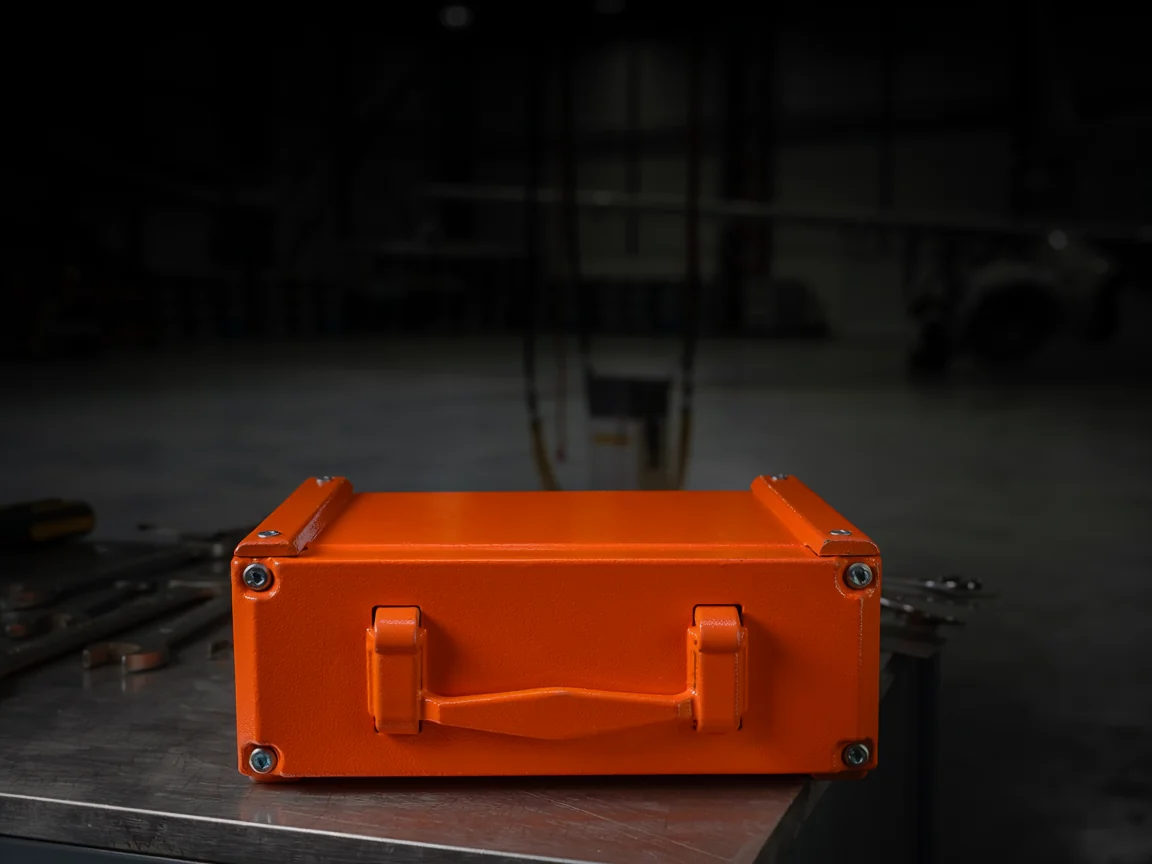
The name 'black box' probably comes from early photographic recording methods or simply from their mystery, but recorders are painted bright orange with reflective strips to make them easier to find in wreckage. Australian scientist David Warren developed an influential cockpit voice recorder in the 1950s.
Built tough
The memory module sits inside an armoured, insulated case designed to survive massive impact forces, an intense fire for an hour and the pressure of the deep ocean. An underwater locator beacon pings for weeks so search teams can find recorders at sea.
Lessons learned
Investigators recover and download the recorders to reconstruct an accident second by second. Their findings have led to changes in pilot training, aircraft design and air traffic procedures. Regulators have extended recording times and are encouraging systems that stream data or deploy recorders automatically after a crash.
Sources & further reading
Survival requirements are summarised from international standards and may be updated. Photograph: original AI-generated illustration (Adobe Firefly). Reference organisations do not endorse this website.