A metal that protects itself
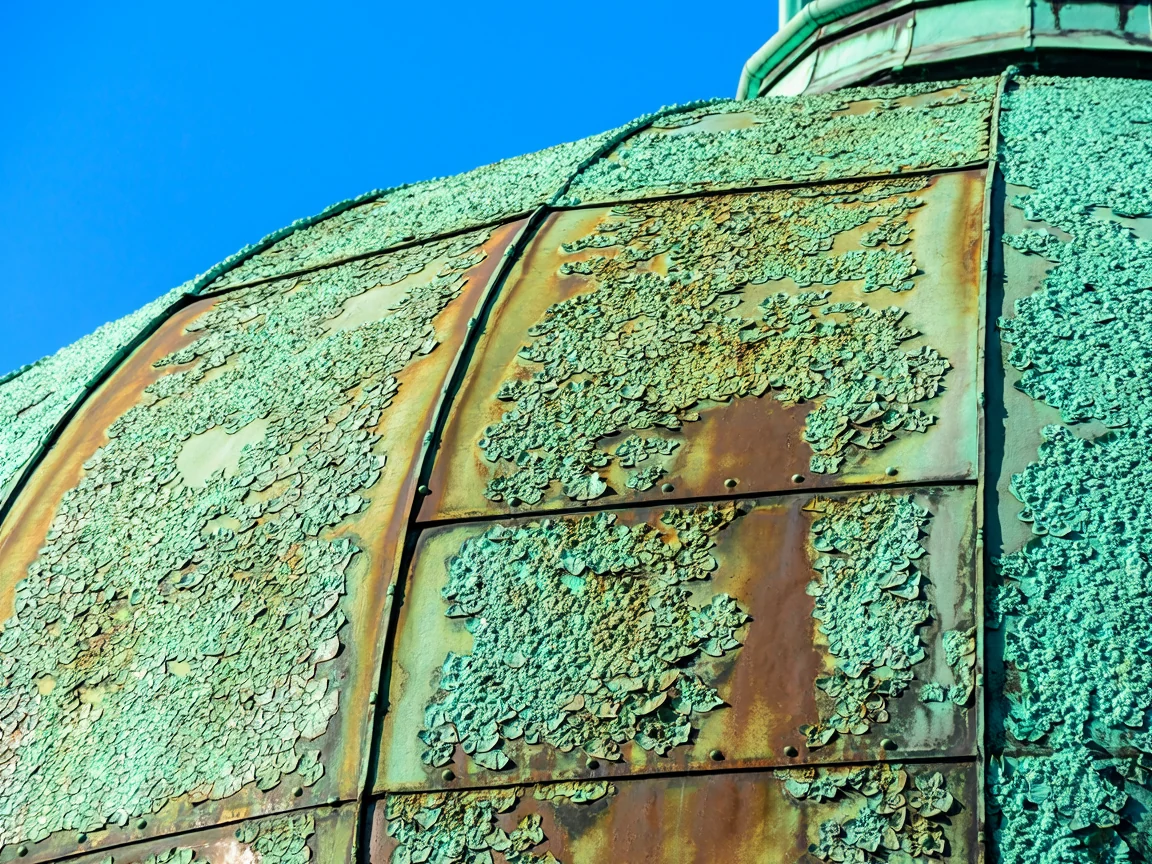
Aluminium reacts with oxygen almost instantly, forming a film of aluminium oxide only a few nanometres thick. Unlike rust on iron, this oxide is hard, transparent and sticks tightly, sealing the metal underneath. Anodising deliberately grows this layer much thicker.
The process
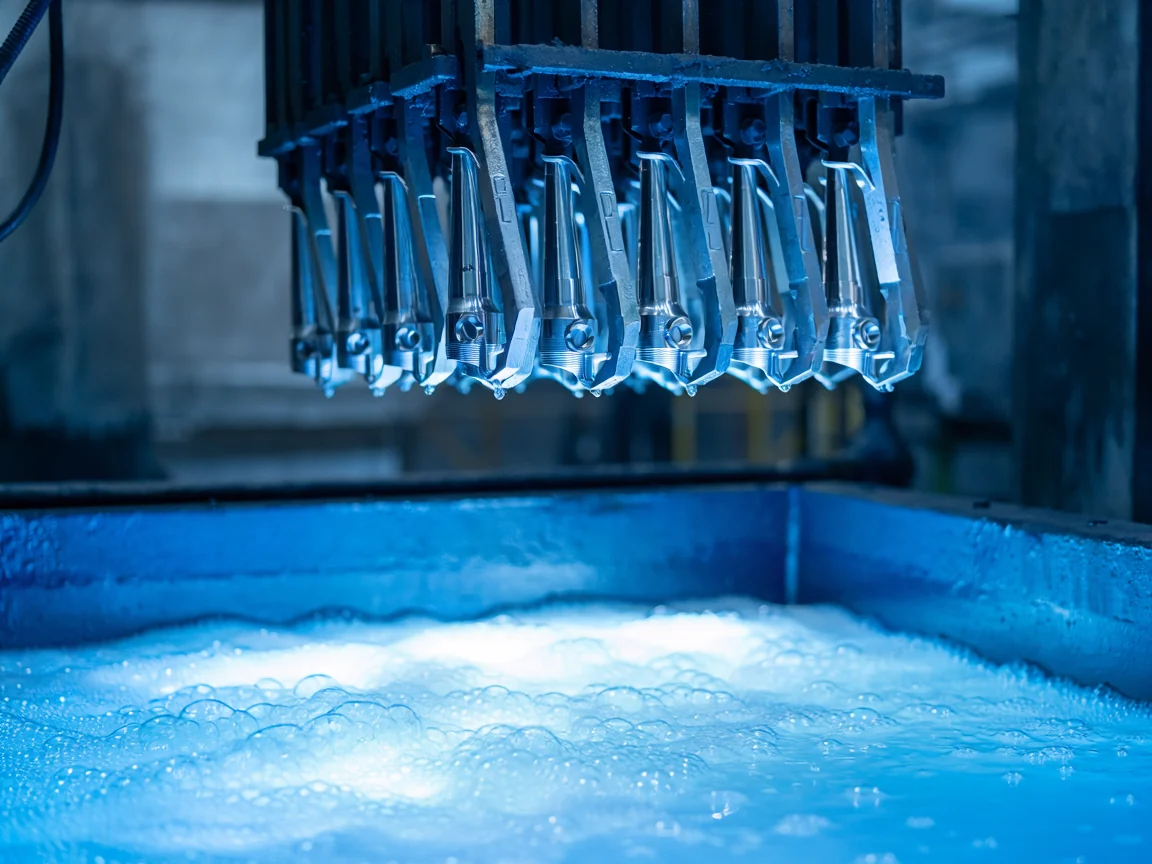
The cleaned part is placed in an acid bath and connected as the positive electrode, or anode—hence the name. Electric current drives oxygen into the surface, converting aluminium into a thick oxide layer full of microscopic pores. Process temperature, voltage and acid strength control the thickness and hardness.
Colour that lasts
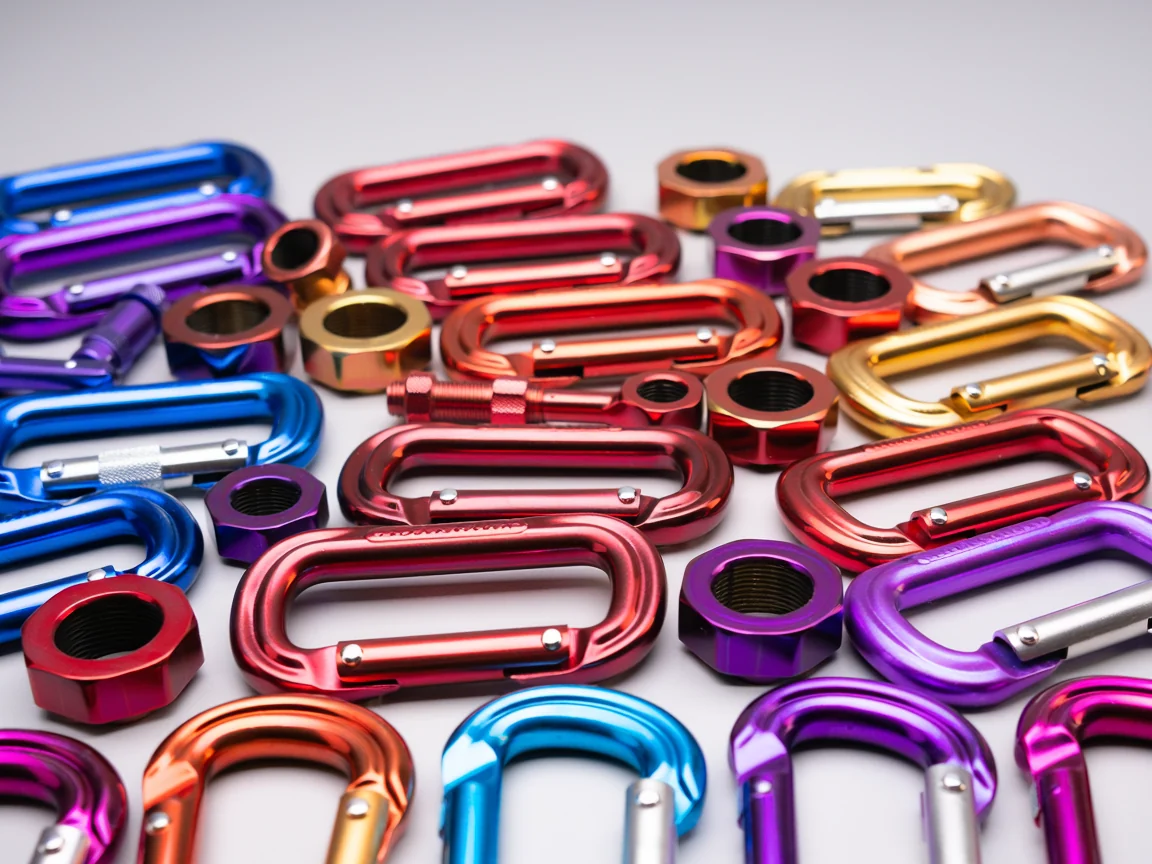
The porous layer soaks up dyes like a sponge. After dyeing, the pores are sealed, locking the colour inside. Because the colour is in the oxide rather than painted on, it does not chip or peel easily, which is why anodising is used on bike components, cookware, smartphones and architectural panels.
Hard anodising
Thicker hard-anodised coatings, grown at low temperatures, are extremely wear-resistant and are used on pistons, firearm parts and aircraft components. The oxide is an electrical insulator, which is useful in electronics but means anodised surfaces must be masked where electrical contact is needed.
Sources & further reading
Layer thicknesses are typical ranges and vary by process. Photograph: original AI-generated illustration (Adobe Firefly). Reference organisations do not endorse this website.