Ravenstein’s laws
In the 1880s, the geographer Ernst Georg Ravenstein studied census data from Britain and other countries and proposed a set of laws of migration. He observed that most migrants travel short distances, that long-distance movers tend to head for major centres of commerce and industry, that migration often proceeds in steps, and that each flow produces a smaller counter-flow. He also argued that economic motives were the most important. Not all of his laws hold everywhere, but many of the patterns he described, such as the pull of large cities and the importance of distance, still appear in migration data more than a century later.
Push, pull and obstacles
In 1966 the American demographer Everett Lee built on Ravenstein’s work with a simple model. Every place has factors that hold people or push them away, and factors that attract people, known as pull factors. Push factors might include unemployment, low wages, conflict, discrimination or environmental disasters; pull factors include jobs, higher incomes, education, safety and family. Between origin and destination lie intervening obstacles, such as distance, travel costs, visa rules and language. Personal circumstances, such as age, skills and family responsibilities, shape how individuals weigh these factors, which is why people facing similar conditions often make very different choices.
Networks and corridors
Researchers later emphasised the role of social networks. Migrants who settle in a new place share information, help with housing and jobs and reduce the risks for those who follow, so migration often concentrates along particular corridors between specific towns or regions. Recruitment agencies, employers and transport links also channel flows. Money sent home, known as remittances, can finance further migration, education or businesses in places of origin. Economists have also used gravity models, which predict that flows between two places grow with their populations and shrink with distance, adjusted for factors such as shared language, historical ties and differences in income.
The Gulf as a destination
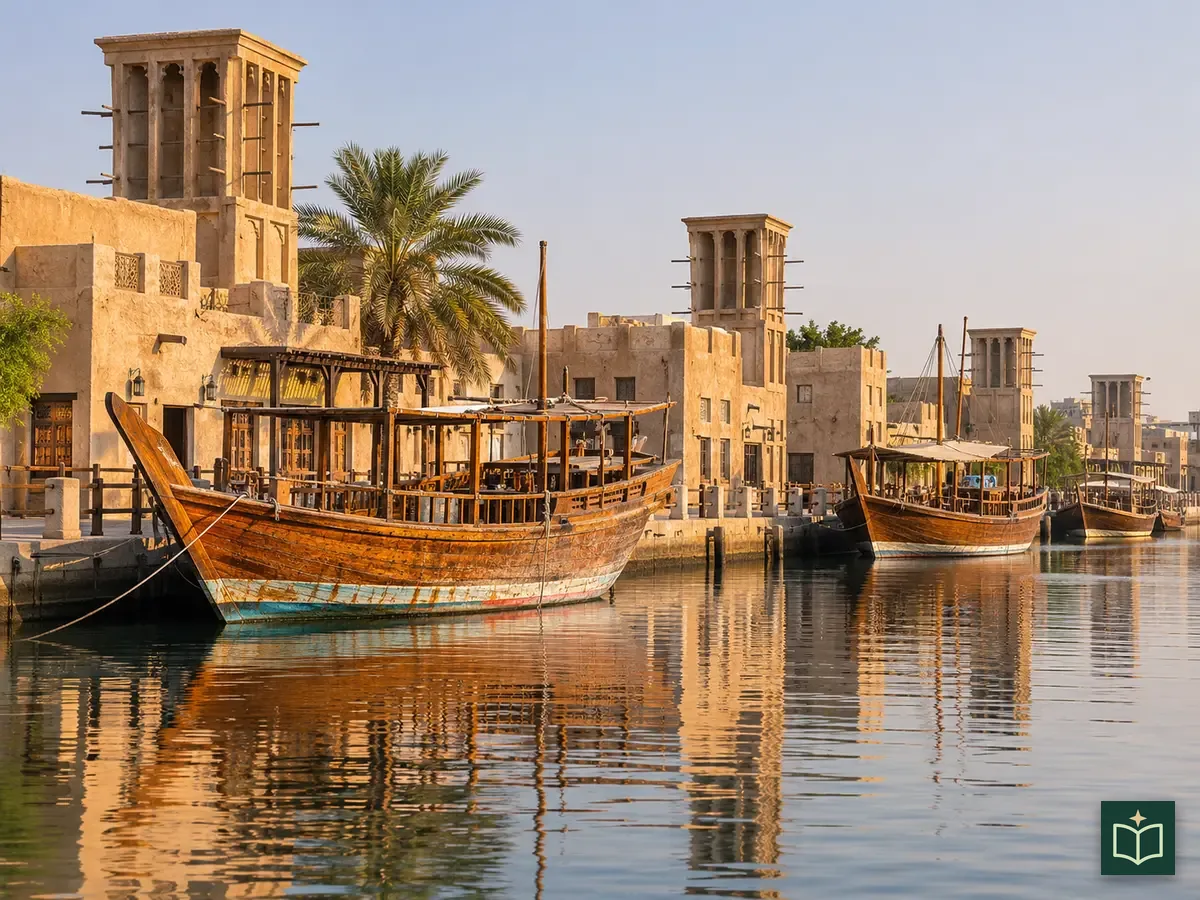
The Gulf states illustrate pull factors at work. Since the oil boom of the 1970s, rapid economic growth and large construction, service and energy sectors have attracted workers from South Asia, South-East Asia, the Arab world, Africa and beyond. In the UAE, Qatar and Kuwait, foreign nationals make up a majority of residents, and in the UAE the share is commonly estimated at close to nine in ten. Most arrive on employment-based residence permits. Strong networks link Gulf cities with regions such as Kerala in India and with Pakistan, Bangladesh, Nepal and the Philippines, where remittances from the Gulf form a significant share of household income.
Common misconceptions
Migration is often discussed as if most people move from poor to rich countries. In reality, most moves are internal, within countries, and much international migration takes place within the same region. International migrants make up only about 3.6 percent of the world’s population, according to the United Nations and the International Organization for Migration. Push-pull models can also oversimplify. They may understate how policies, recruitment systems and global economic structures shape the options available, and they treat migrants as lone individuals rather than as members of households making joint decisions. Forced displacement follows different dynamics and is governed by separate legal frameworks.
What to watch
Migration patterns change with economies, policies and environments. Ageing populations in many wealthy countries are increasing demand for workers in healthcare and other sectors. Climate change may influence future migration through droughts, floods and sea-level rise, though most environmentally influenced moves are expected to be short-distance and within countries. Digital technology makes it easier to stay in touch with home, find jobs and send money. In the Gulf, long-term residence visas, investment in skills and the growth of knowledge-based industries are reshaping who arrives and how long they stay. Understanding migration means looking at both individual choices and the systems around them.
Sources & further reading
Figures are rounded and widely published; check the linked organisations for the latest editions. These organisations do not endorse this website.