A glacial signature
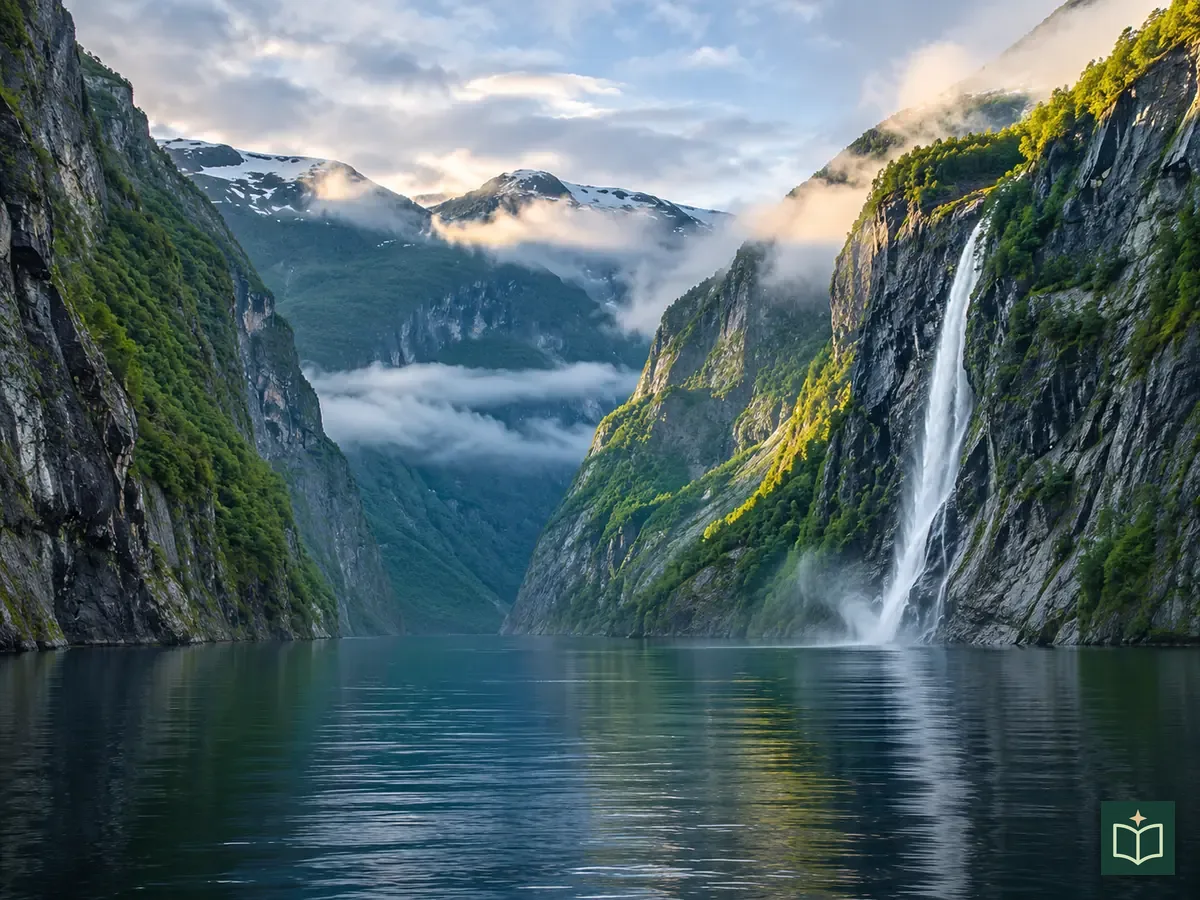
A fjord is a long, narrow, steep-sided inlet of the sea formed by glacial erosion. The word is Norwegian, and Norway’s western coast is the classic example, but fjords also line southern Chile, New Zealand’s Fiordland, Greenland, Alaska, British Columbia, Iceland and Scotland, where they are often called sea lochs. All lie in regions that were heavily glaciated during the ice ages. Fjords are typically far longer than they are wide, with sheer walls rising hundreds of metres from the water and side valleys hanging high above, often feeding waterfalls. Their scenery has made them some of the world’s most visited coastal landscapes.
How ice digs below the sea
During the ice ages, glaciers flowed from mountain ice caps down existing river valleys towards the coast. Ice is a powerful eroding agent: rocks frozen into its base scrape the bedrock, and meltwater under pressure plucks blocks away. Unlike rivers, which carve V-shaped valleys and cannot cut much below sea level, a thick glacier can keep eroding well beneath it, because the weight of ice remains pressed against its bed. The result is a U-shaped trough, often overdeepened, meaning its floor lies far below the level of the valley mouth. When the climate warmed, the ice retreated and rising seas filled the troughs.
Deep inside, shallow at the mouth
Many fjords are deepest far inland and shallow near the sea. Near the coast, glaciers spread out, thinned and eroded less, and they often dumped rock debris in ridges called moraines. These form a submerged threshold, or sill, at the fjord’s mouth. Norway’s Sognefjord, the country’s longest at more than 200 kilometres, reaches about 1,300 metres deep inland, yet its entrance is much shallower. The sill limits the exchange of water with the open ocean, so deep fjord water can become stagnant and low in oxygen. Fresh meltwater and river water form a lighter surface layer, giving many fjords sharply layered water.
Musandam’s khors
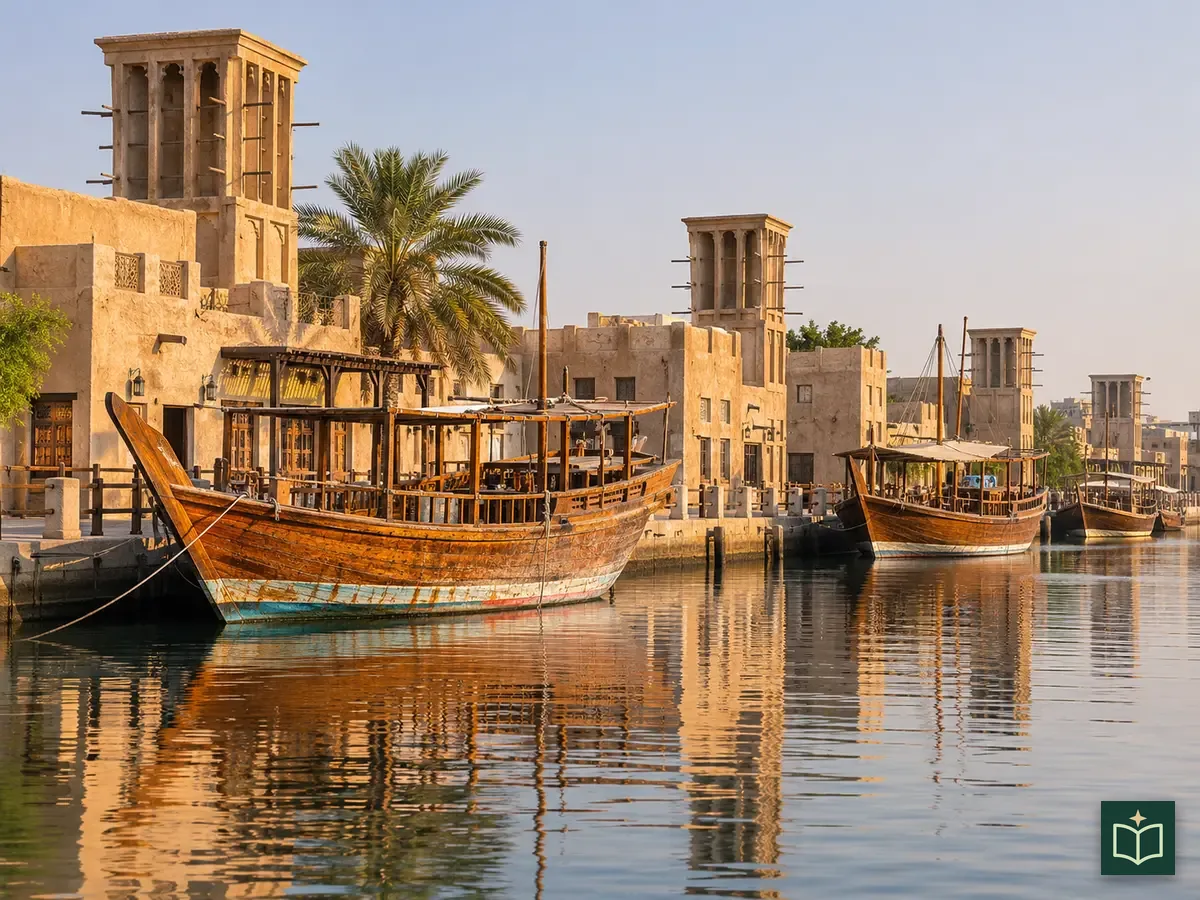
Oman’s Musandam Peninsula, at the northern tip of the Hajar Mountains, is often described as the fjords of Arabia. Its steep limestone cliffs plunge into narrow inlets, called khors, such as Khor Ash Sham, where dolphins are often seen from traditional dhows. The resemblance is striking, but the origin is different. No glaciers formed here. Instead, the peninsula lies close to where the Arabian plate is pushing beneath Eurasia, and the land has been tilting and subsiding. Valleys originally cut by rivers were drowned as the land sank and as sea level rose after the last ice age, so geologists class them as drowned river valleys rather than true fjords.
Life and livelihoods
Fjords support distinctive ecosystems. Their sheltered, deep waters host cold-water coral reefs in Norway, deep-water species that normally live far offshore, and rich fisheries. Mountains beside the sea also create wet climates on windward coasts, with lush forests in places such as southern Chile and British Columbia. Communities have long relied on fjords for fishing and transport, and today they host salmon farming, hydropower from steep valleys and cruise tourism. The West Norwegian Fjords, including Geirangerfjord and Nærøyfjord, were inscribed on UNESCO’s World Heritage List in 2005, and Norway has introduced rules to cut emissions from ships sailing in them.
Hazards and change
Steep fjord walls can be unstable. Rockslides falling into narrow fjords can generate local tsunamis; in Norway, several such events in the early twentieth century killed dozens of people, and authorities now continuously monitor mountainsides such as Åknes, where a large slab of rock is slowly moving. In Greenland and Alaska, fjords still hold active tidewater glaciers that calve icebergs, and scientists study how warm ocean water entering fjords melts glaciers from below, influencing sea-level rise. Fjords also trap sediment and organic carbon, making them important carbon stores for their size. They remain living landscapes, still shaped by ice, rock and water.
Sources & further reading
Figures are rounded and widely published; check the linked organisations for the latest editions. These organisations do not endorse this website.