Cheap to produce, costly to burn
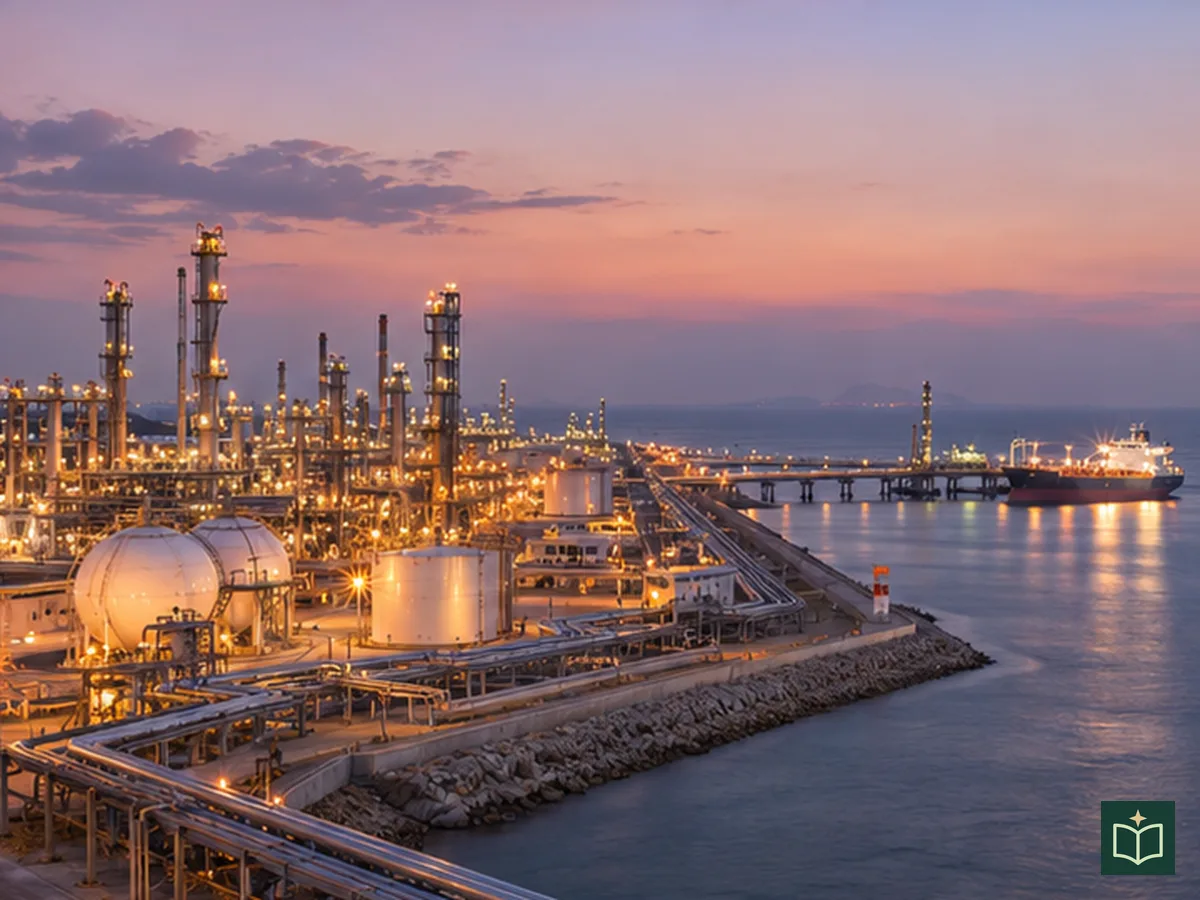
Oil from Gulf fields is among the cheapest in the world to produce. It might seem natural, then, to burn it freely for electricity. Economists point out that this ignores opportunity cost: the value of the next-best use. A barrel used in a local power station is a barrel that cannot be exported at the world price. Natural gas is similar, since it can be sold as liquefied natural gas or turned into plastics and fertiliser. Measured this way, domestic fuel is expensive. Rapid population growth, heavy air-conditioning demand and, in several countries, low regulated power prices pushed domestic consumption up for decades, eroding the volumes left for export.
A worked example
A barrel of crude holds roughly 1.7 megawatt-hours of heat energy. An older oil-fired steam plant converting 35 per cent into electricity produces about 0.6 megawatt-hours per barrel. Suppose, purely for illustration, that the barrel could earn AED 250 abroad. The forgone revenue then works out at about AED 420 per megawatt-hour, or 42 fils per kilowatt-hour, before any cost of building or running the plant. Large solar projects in the Gulf have been awarded at prices of only a few fils per kilowatt-hour over their lifetimes. Even with real oil prices moving up and down, the comparison explains why solar became attractive. This is an educational illustration, not a forecast.
Solar in the sunbelt
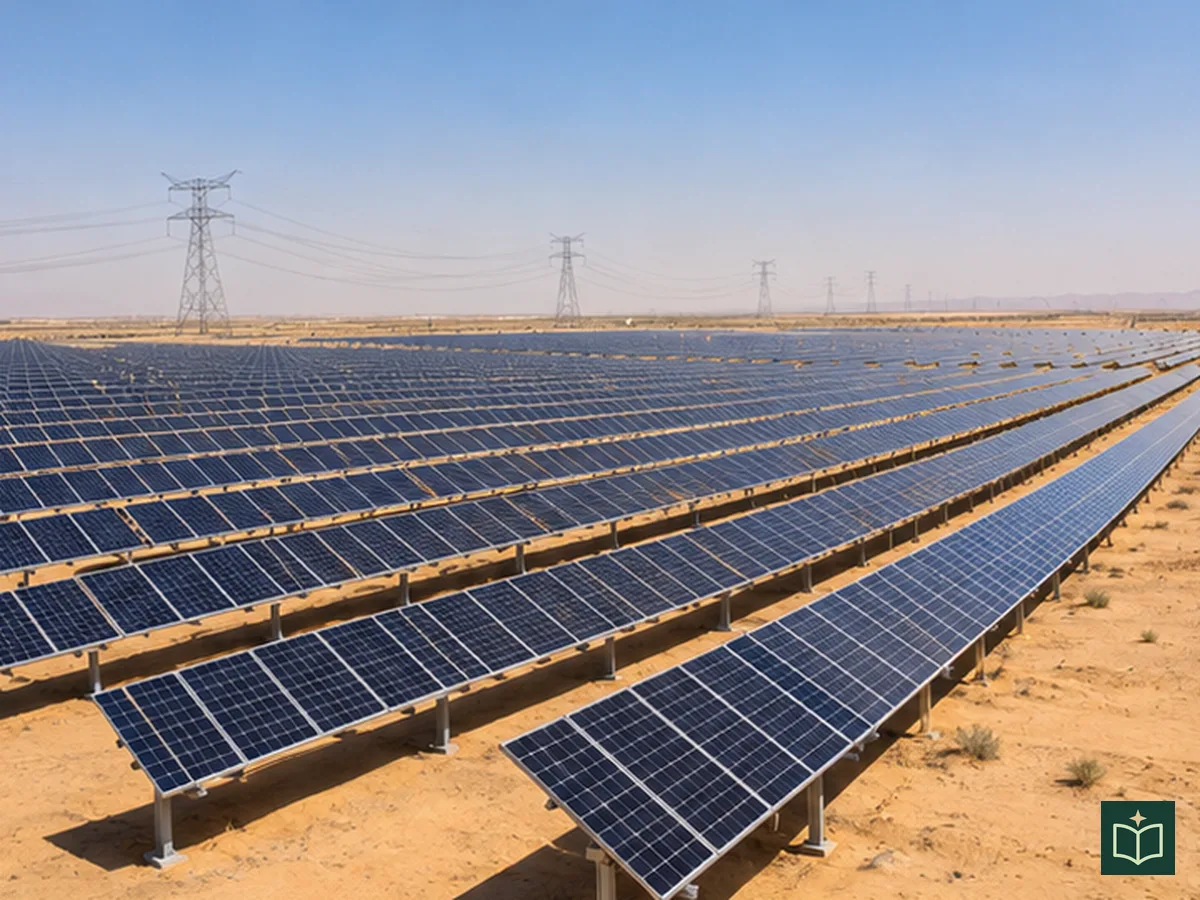
The Arabian Peninsula receives some of the strongest sunlight on Earth and has abundant flat, unused land. Dubai's Mohammed bin Rashid Al Maktoum Solar Park, built in phases since the 2010s, is planned to reach 5,000 megawatts by 2030. Abu Dhabi has commissioned gigawatt-scale photovoltaic plants at Sweihan and Al Dhafra, and Saudi Arabia has tendered a succession of large projects as part of plans to shift its power mix towards renewables and gas. Solar generation also peaks in the hot middle of the day, when cooling demand is high. Its weakness is the evening and night, which is why batteries and other sources still matter.
Nuclear for steady supply
Solar covers daytime well, but grids also need steady round-the-clock output. The UAE chose nuclear power for that role. The Barakah plant in Abu Dhabi, built with South Korean partners, has four reactors with a combined capacity of about 5,600 megawatts, all in commercial operation by 2024. Its operator says it can supply up to a quarter of the country's electricity without burning gas. Saudi Arabia has also announced plans for nuclear power. Reactors are costly and slow to build, and they require strict regulation, international safeguards and long-term arrangements for spent fuel, but once running they use very little fuel for decades.
Gas, imports and industry
Gas is the other half of the story. Several Gulf states, despite large reserves, have at times needed to import gas because domestic demand outgrew easily developed supply. The UAE, for example, receives gas from Qatar through the Dolphin pipeline. Saudi Arabia has historically burned crude oil and fuel oil directly in power plants, with consumption rising sharply in summer. Each molecule saved from power generation can instead feed petrochemical plants, fertiliser factories and aluminium smelters, which create jobs and export products worth more than the raw fuel. Freeing gas for these industries is therefore an economic strategy as much as an environmental one.
More than economics
Other motives reinforce the arithmetic. Diversifying the power mix reduces exposure to a single fuel, protecting the electricity supply if gas fields underperform or imports are interrupted. Climate commitments, including the net-zero targets announced by the UAE and Saudi Arabia, favour low-carbon generation. Building new industries in solar, nuclear operations and hydrogen also supports long-term plans to diversify economies beyond hydrocarbons. There are trade-offs: large up-front investment, the need for storage and grid upgrades, and in the case of nuclear, long project timelines. But the underlying logic is simple. For an exporter, the cheapest fuel for domestic power is often the fuel it does not have to burn.
Sources & further reading
- ENEC · Barakah Nuclear Energy Plant ↗
- DEWA · Dubai Electricity and Water Authority ↗
- IEA · Electricity ↗
Figures are rounded and widely published; check the linked organisations for the latest editions. These organisations do not endorse this website.