Energy is the raw material
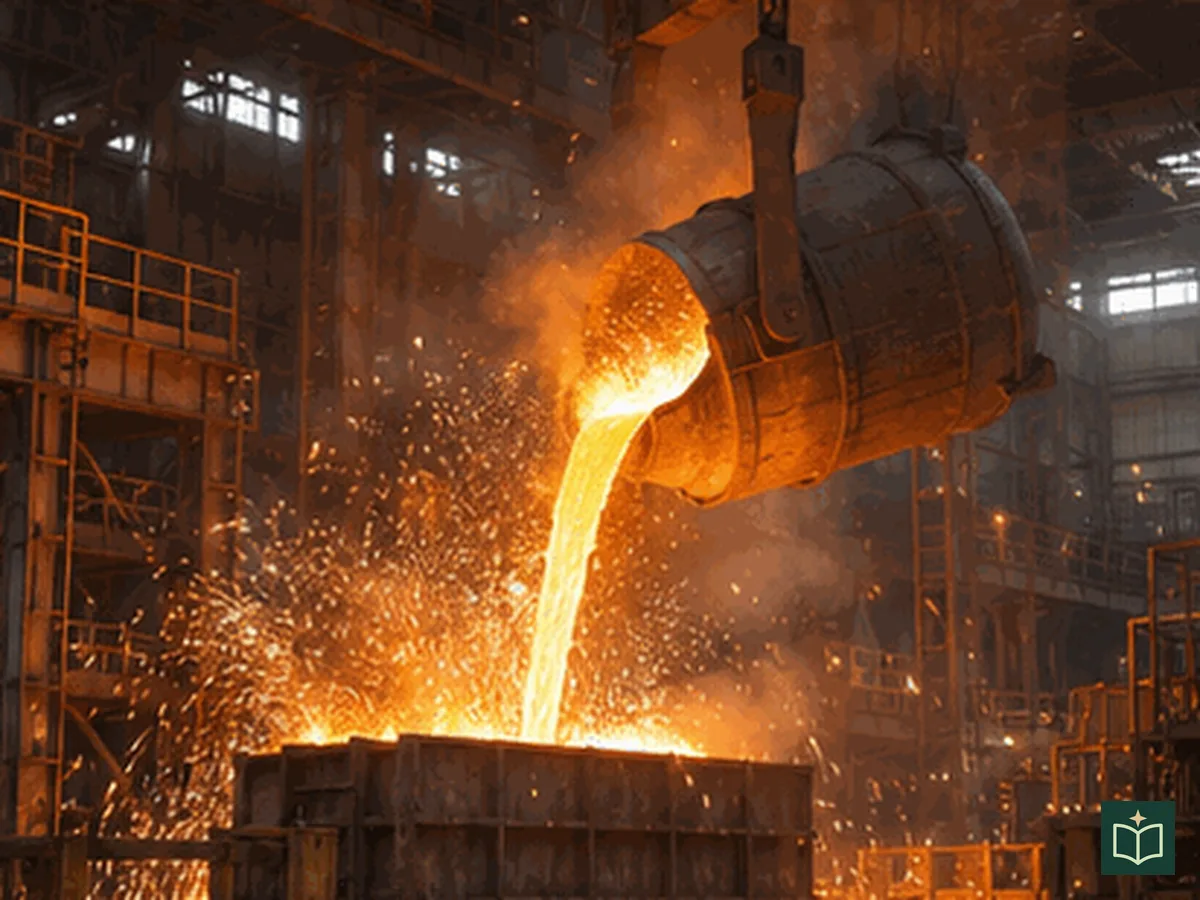
Some industries are defined by their energy use. Aluminium smelters run on vast, uninterrupted electricity supplies. Ammonia and methanol plants use natural gas both as fuel and as the source of hydrogen in their products. Ethylene crackers turn ethane, a component of natural gas, into the building blocks of plastics. Direct-reduction steelworks use gas to strip oxygen from iron ore. For all of them, energy can be the largest cost after capital. They therefore locate where gas is plentiful and cheap, and once one large plant arrives, others follow to share its infrastructure. The Gulf, with abundant gas and coastal land, became one of the world's great centres of such clustering.
From flare to feedstock
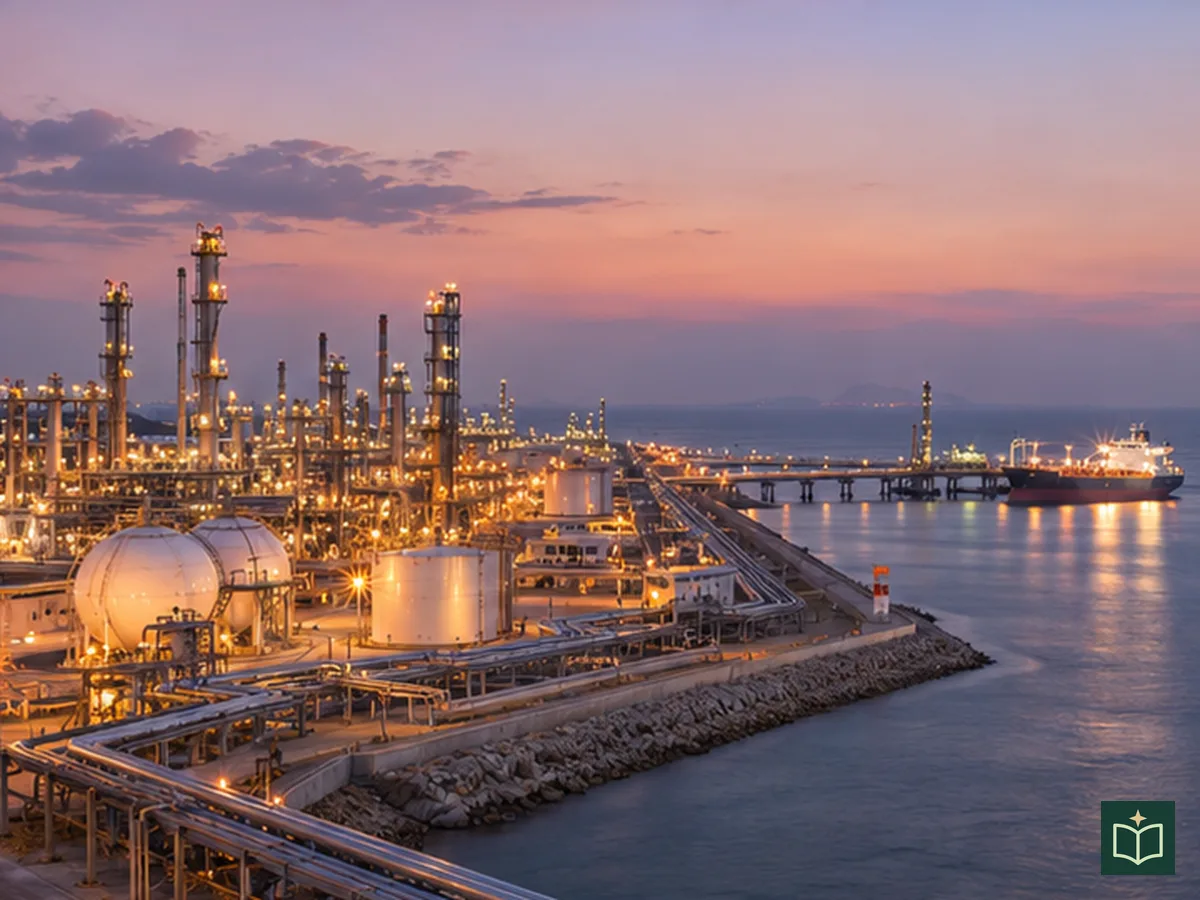
For decades, much of the gas produced alongside Gulf oil was simply flared, because there was no local use for it. That changed in the 1970s. Saudi Arabia built its Master Gas System to gather associated gas, and in 1975 created the Royal Commission for Jubail and Yanbu to develop two industrial cities from scratch. Jubail, on the Gulf coast, grew into one of the largest industrial complexes in the world, home to petrochemical, fertiliser and steel plants. Abu Dhabi developed Ruwais around a large refinery, polymer and fertiliser plants, while Qatar built Ras Laffan to host its liquefied natural gas trains and the Pearl gas-to-liquids plant.
Sharing the backbone
Clustering pays because heavy plants need the same expensive infrastructure. A single deep-water port, gas pipeline network, power station, desalination plant and seawater cooling system can serve dozens of factories. Roads, housing, fire services and specialist workforces are shared too. Planners also link plants directly through pipelines, an arrangement known as industrial symbiosis. Hydrogen from one unit can feed another; steam from a power plant heats a chemical process; carbon dioxide from ammonia production goes into urea fertiliser. Similar logic created the US Gulf Coast's petrochemical belt, the port complex of Rotterdam and Singapore's Jurong Island, all built where energy, feedstock and shipping routes meet.
The scale of the appetite
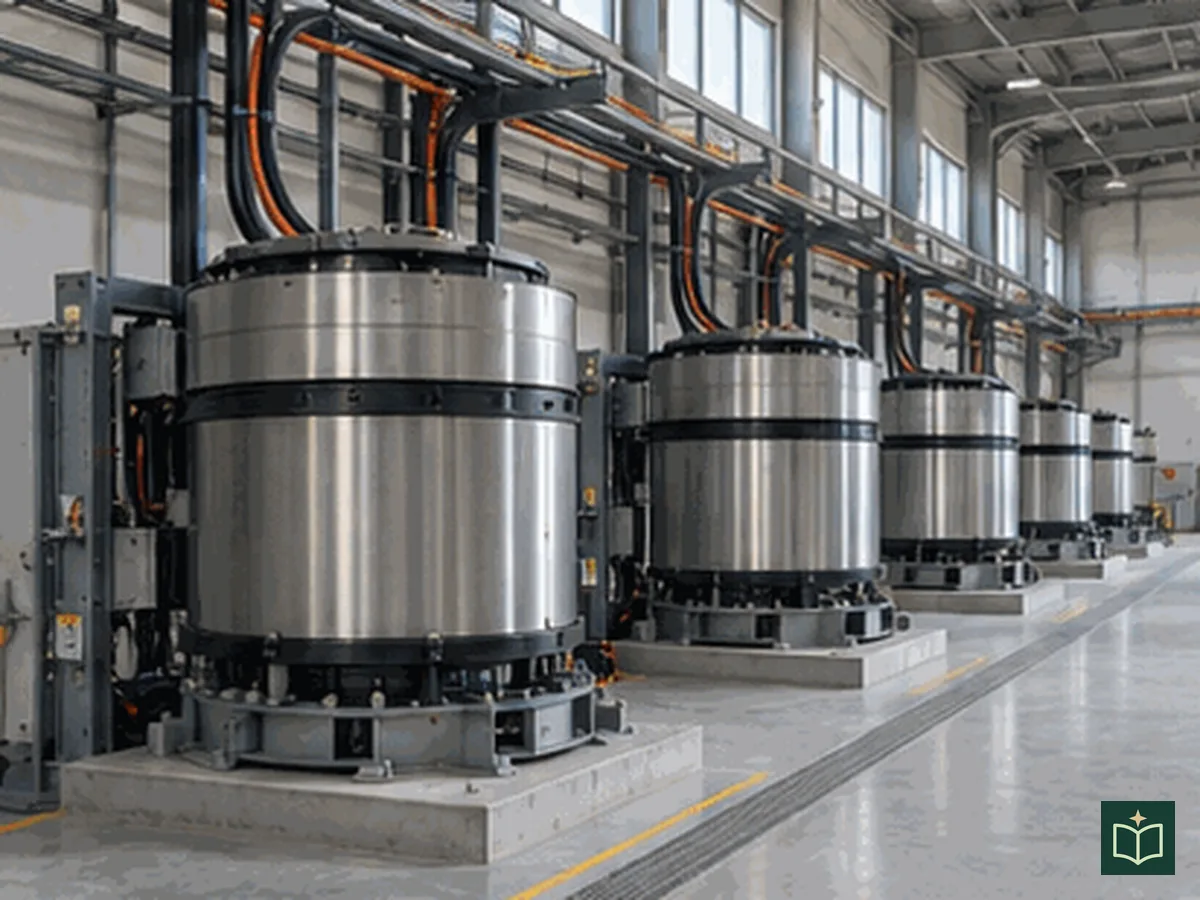
Aluminium shows why cheap power matters. Smelting uses roughly 14 megawatt-hours of electricity per tonne. A smelter producing one million tonnes a year therefore needs about 14 terawatt-hours, an average continuous load of roughly 1.6 gigawatts, comparable to a large power station running day and night. Emirates Global Aluminium operates smelters at Jebel Ali in Dubai and Al Taweelah in Abu Dhabi, each with its own dedicated power plant. Bahrain's Alba is another large Gulf smelter. Because electricity is such a large share of costs, a smelter's location is effectively a bet on long-term access to cheap, reliable energy, which is what Gulf gas has historically offered.
Adding value at home
For gas-producing states, these clusters turn raw hydrocarbons into exports worth more than the fuel alone. Plastics pellets, fertiliser, methanol, aluminium ingots and steel products travel to markets across Asia, Africa and Europe. Industrial cities also create skilled jobs and supplier industries, supporting economic diversification plans. The approach has costs. It ties up gas that could otherwise be exported, demands heavy public investment in infrastructure, and concentrates emissions, water use and industrial risk in a few places. Governments typically supply feedstock under long-term contracts, so the arrangements are shaped as much by policy as by market prices, and pricing reforms can change a cluster's competitiveness.
Clusters and the transition
Concentration may become an advantage as industry decarbonises. Capturing carbon dioxide is cheaper when large sources sit close together and can share pipelines to storage sites. Abu Dhabi's Al Reyadah facility, for instance, captures carbon dioxide from a steel plant for use in oilfields. Clusters are also natural first customers for low-carbon hydrogen, large-scale solar power and electrified steam. Ports already handling bulk chemicals could export ammonia as a hydrogen carrier. Whether these changes succeed depends on costs and policy, but the underlying geography is unlikely to vanish. Heavy industry will keep gathering wherever energy, feedstock, water and shipping lanes come together most cheaply.
Sources & further reading
Figures are rounded and widely published; check the linked organisations for the latest editions. These organisations do not endorse this website.