A busy and contested sea
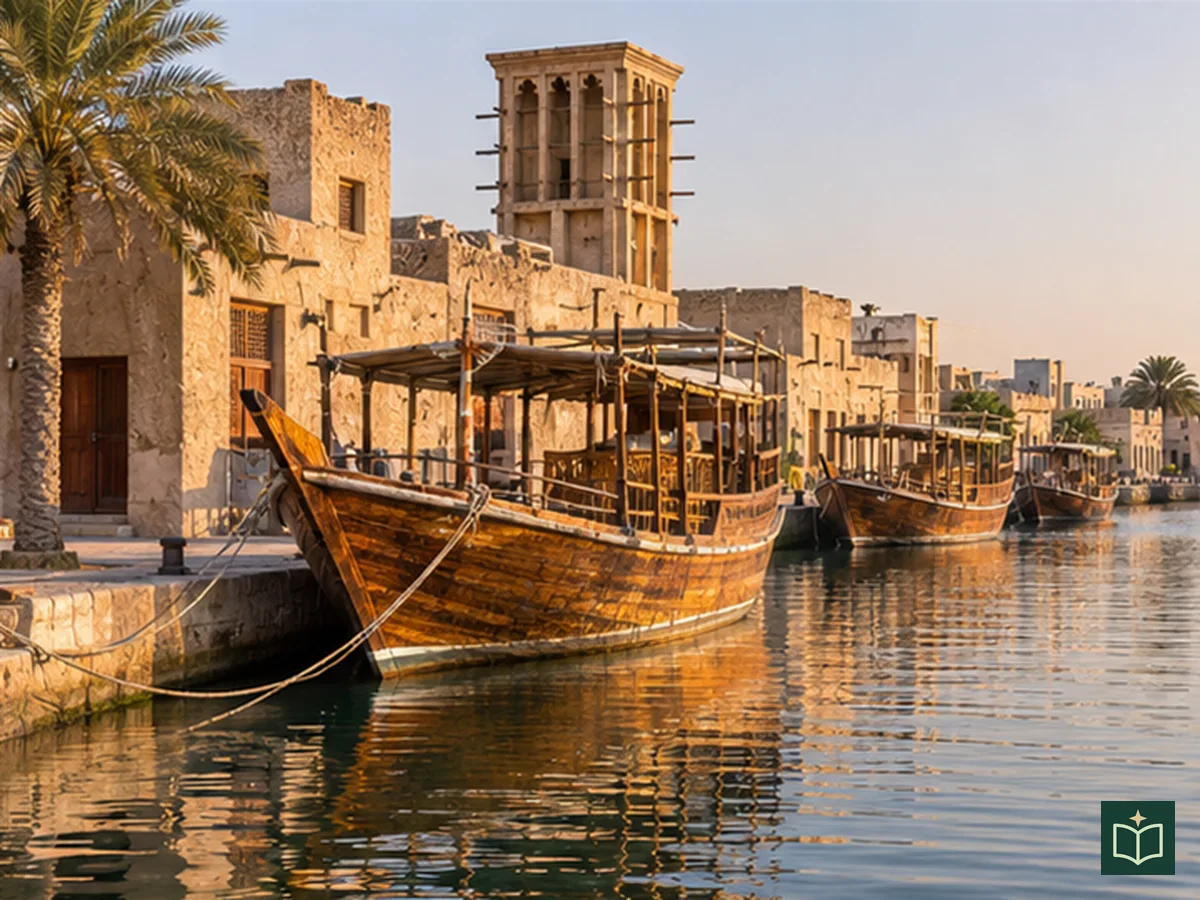
In the early nineteenth century the waters of the lower Gulf were among the busiest trading routes in the region, carrying pearls, dates, textiles and other goods between Arabia, Persia, India and East Africa. The coast between Qatar and the Musandam peninsula was home to several ruling families and tribal confederations, including the Al Qawasim of Ras Al Khaimah and Sharjah and the Bani Yas of Abu Dhabi. Rivalries at sea were common. Britain, through the East India Company, was expanding its trade with India and wanted secure sea lanes. Its officials described attacks on shipping as piracy, and blamed the Qawasim in particular.
Piracy or politics?
That British description is now widely questioned. Some historians see the conflict as part of a wider struggle for trade and influence, in which the Qawasim were a commercial and naval rival rather than simply raiders. Sheikh Dr Sultan bin Muhammad Al Qasimi, Ruler of Sharjah and a historian, argued in his 1986 book The Myth of Arab Piracy in the Gulf that East India Company records exaggerated or misrepresented events to justify intervention. Whatever the interpretation, Britain sent naval expeditions in 1809 and again in 1819, when its forces took Ras Al Khaimah and destroyed many ships along the coast.
The General Treaty of 1820
In early 1820 the rulers of the coast signed the General Treaty of Peace with Britain. They agreed to end plunder and piracy at sea, and their vessels were to carry a distinctive red and white flag and papers identifying their home port. The treaty also prohibited the carrying of enslaved people by sea. Fighting between the sheikhdoms themselves at sea was not fully covered, and clashes continued, often disrupting the pearling season on which much of the coast's economy depended. That gap led to the next stage: truces specifically designed to keep the peace among the rulers during the pearling season.
From seasonal truce to perpetual peace
In 1835 the British Resident in the Gulf persuaded the rulers to agree to a maritime truce for six months, covering the pearling season. It worked well and was renewed each year. In 1843 the rulers signed a ten-year truce. Then, in May 1853, they agreed to a Perpetual Maritime Truce. The signatories promised to refrain from all hostilities at sea and to refer disputes to the British, who would act as arbiters and enforce the peace. From then on British officials called the coast the Trucial Coast, or Trucial Oman, and the sheikhdoms became known in English as the Trucial States.
What Britain did not control
The truces were about the sea. On land the rulers kept their own authority over their people, territory, courts and economic life, including pearling, date farming and trade. Britain had few officials on the coast; its Political Resident was based across the Gulf in Bushehr, with a local agent in Sharjah. In 1892 an Exclusive Agreement added that the rulers would not deal with other foreign powers or give up territory except to Britain, which effectively placed foreign relations in British hands. But for most of the nineteenth century, internal affairs, succession and relations between tribes remained matters for the rulers and their communities.
Why the name matters
The Trucial name lasted more than a century, until the rulers formed the United Arab Emirates in 1971. Over that time the arrangement brought relative security at sea, which supported pearling and trade, while largely keeping outside influence from the interior. It also fixed the coast's international position under British protection without formal colonisation. In the twentieth century British involvement grew, with the Trucial Oman Levies, later the Scouts, from 1951, the Trucial States Council from 1952 and development projects in the 1960s. Understanding the original truces explains why the UAE emerged from a group of independent sheikhdoms rather than a single colony.
Sources & further reading
Figures are rounded and widely published; check the linked organisations for the latest editions. These organisations do not endorse this website.