The hidden half of industry
When people picture industrial energy, they often imagine machines humming on electricity. Yet most of the energy factories use goes into heat. Boilers raise steam, kilns roast minerals, furnaces melt metal and glass, and ovens dry everything from paper to pasta. The IEA estimates that heat makes up about two-thirds of industrial energy demand, and most of it still comes from burning coal, gas or oil on site. That matters because a cleaner power grid does nothing for a furnace that never touches the grid. Decarbonising industry therefore means asking a different question from the power sector: not how to make electricity, but how to make heat at the right temperature.
Low and medium bands
Engineers usually divide industrial heat into three temperature bands. Low-temperature heat, below about 100°C, washes bottles, pasteurises milk, dries crops and warms process water. Medium-temperature heat, from roughly 100°C to 400°C, is mostly delivered as steam, which drives chemical reactors, paper machines, distillation columns and food cookers. These two bands are the easier ones. Industrial heat pumps can now reach well above 100°C, electric boilers can make steam, and solar thermal collectors can preheat water. Many of these processes also sit inside sites that waste heat elsewhere, so recovering it from one stage to feed another can cut fuel use before any new technology is installed.
The high-temperature band
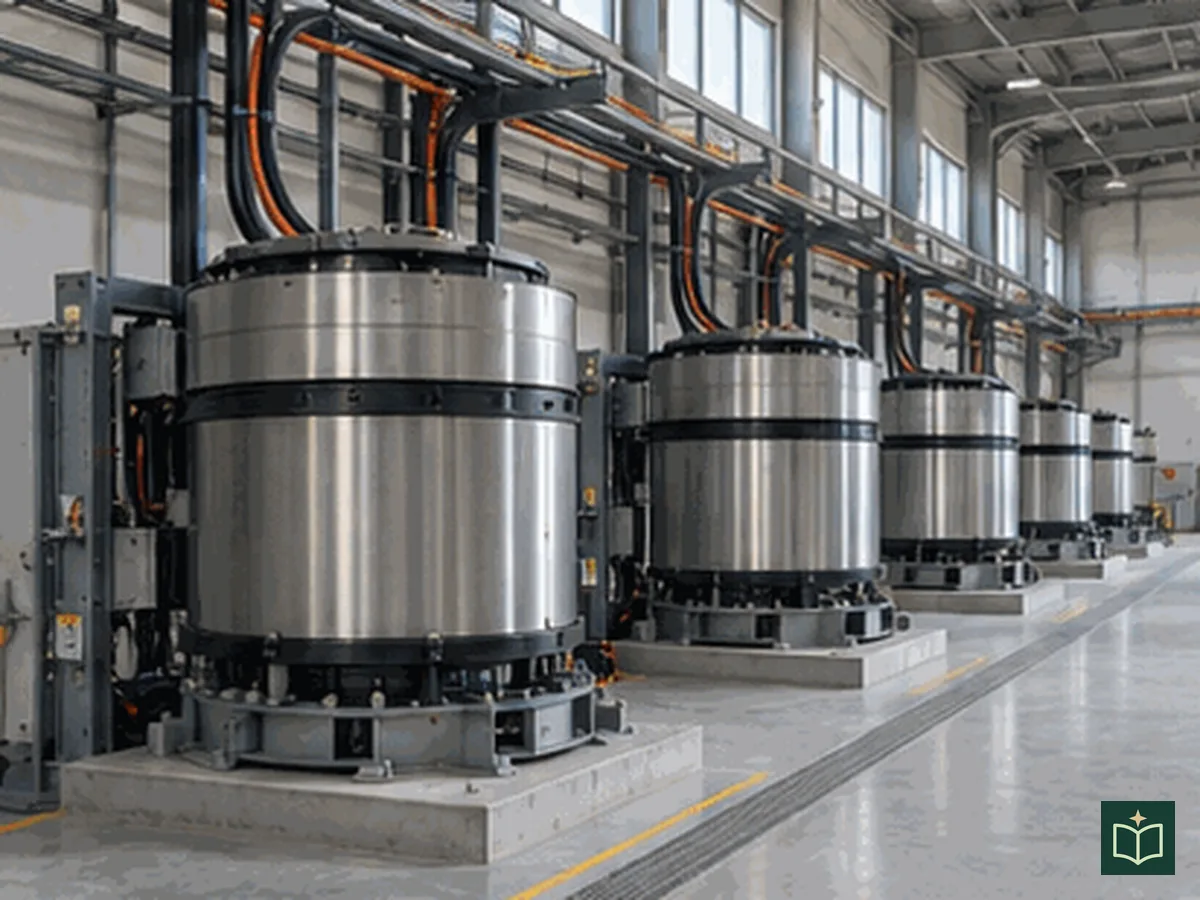
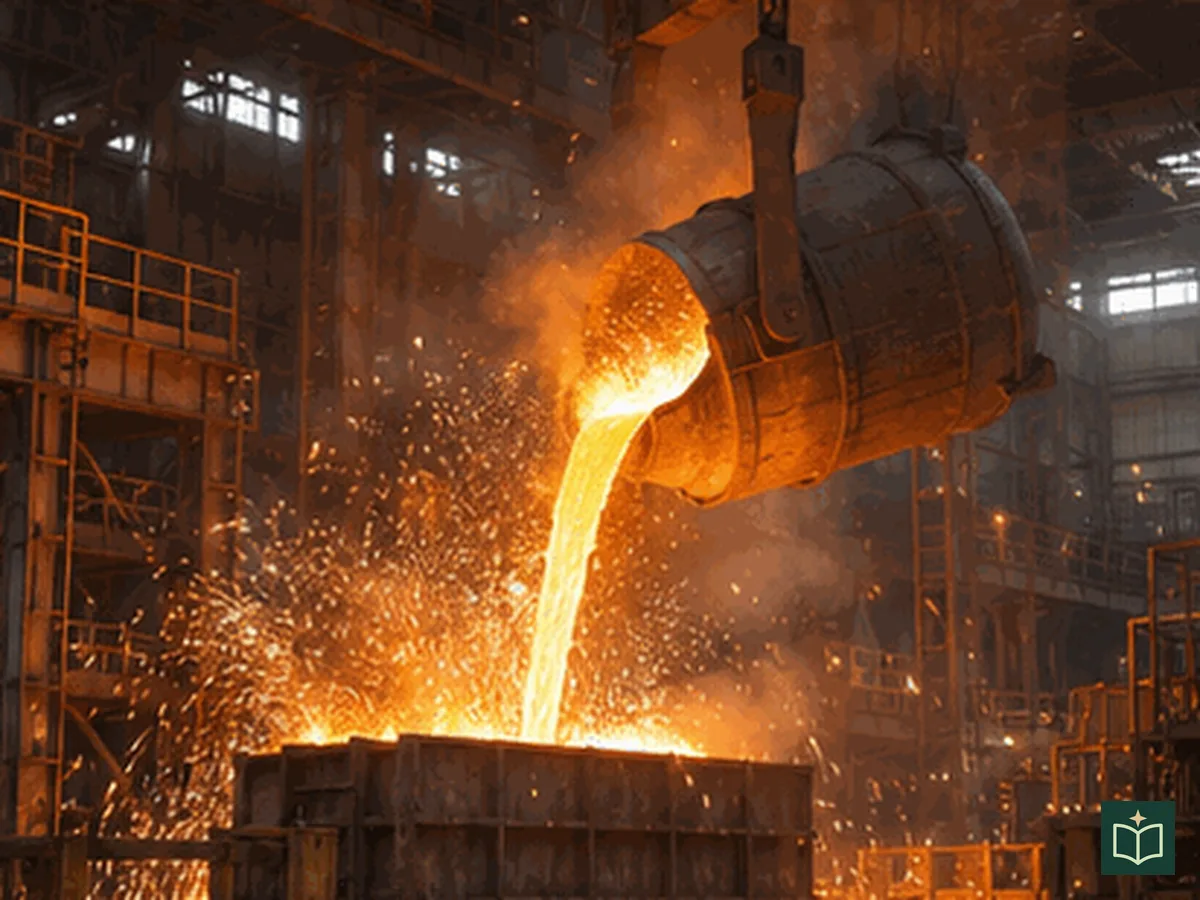
Above about 400°C lie the heavyweights. Iron ore is reduced in blast furnaces at around 1,500°C, cement clinker forms near 1,450°C, glass melts at similar temperatures, and ceramics and many chemical crackers run hot as well. Roughly half of all industrial heat falls in this top band. Flames suit these jobs well: burning gas or coal releases very intense heat in a compact space, cheaply and on demand. The plants are also built around their burners, with kilns, refractory linings and exhaust systems designed for combustion. Swapping the heat source is therefore not like replacing a boiler; it can mean redesigning the whole process line, often at a site meant to run for decades.
A worked comparison
The efficiency gap shows why low temperatures are easier. Suppose a dairy needs 1 megawatt-hour of heat at 90°C. A gas boiler that is 90 per cent efficient burns about 1.11 MWh of gas to supply it. An industrial heat pump with a coefficient of performance of 3, drawing warmth from waste heat or air, needs only about 0.33 MWh of electricity, because it moves heat rather than making it. At 1,500°C that trick disappears. A heat pump cannot reach such temperatures, so electric options such as resistance heating, induction or electric arcs must turn each unit of electricity into roughly one unit of heat, and electricity usually costs more than gas per unit of energy.
The options at the top
Several routes are being developed for the hottest processes. Electric arc furnaces already melt scrap steel at scale, and electric boosting is common in glass furnaces. Hydrogen made with low-carbon power can replace coal or gas in some furnaces, or reduce iron ore directly. Biomass and waste fuels can fire cement kilns, and carbon capture can trap emissions where combustion continues. Thermal storage that charges with cheap electricity and releases heat later is another emerging option. Each route has drawbacks: hydrogen is costly to make and store, sustainable biomass is limited, and capture adds equipment and energy use. No single technology fits every high-temperature process.
Why it matters
Industrial heat is among the largest sources of carbon dioxide that has no simple fix. It is also central to Gulf economies, where steel, aluminium, cement, petrochemicals and fertilisers are major industries built on cheap gas. The temperature lens helps sort the problem. Low and medium heat can largely be electrified or recovered with technology available today, which makes it an early target for policy. High-temperature heat will need new plant designs, clean fuels and supporting infrastructure such as hydrogen pipelines and carbon storage. Watching which processes switch first, and at what cost, is one of the clearest ways to judge how fast heavy industry is really changing.
Sources & further reading
Figures are rounded and widely published; check the linked organisations for the latest editions. These organisations do not endorse this website.