From dials to data
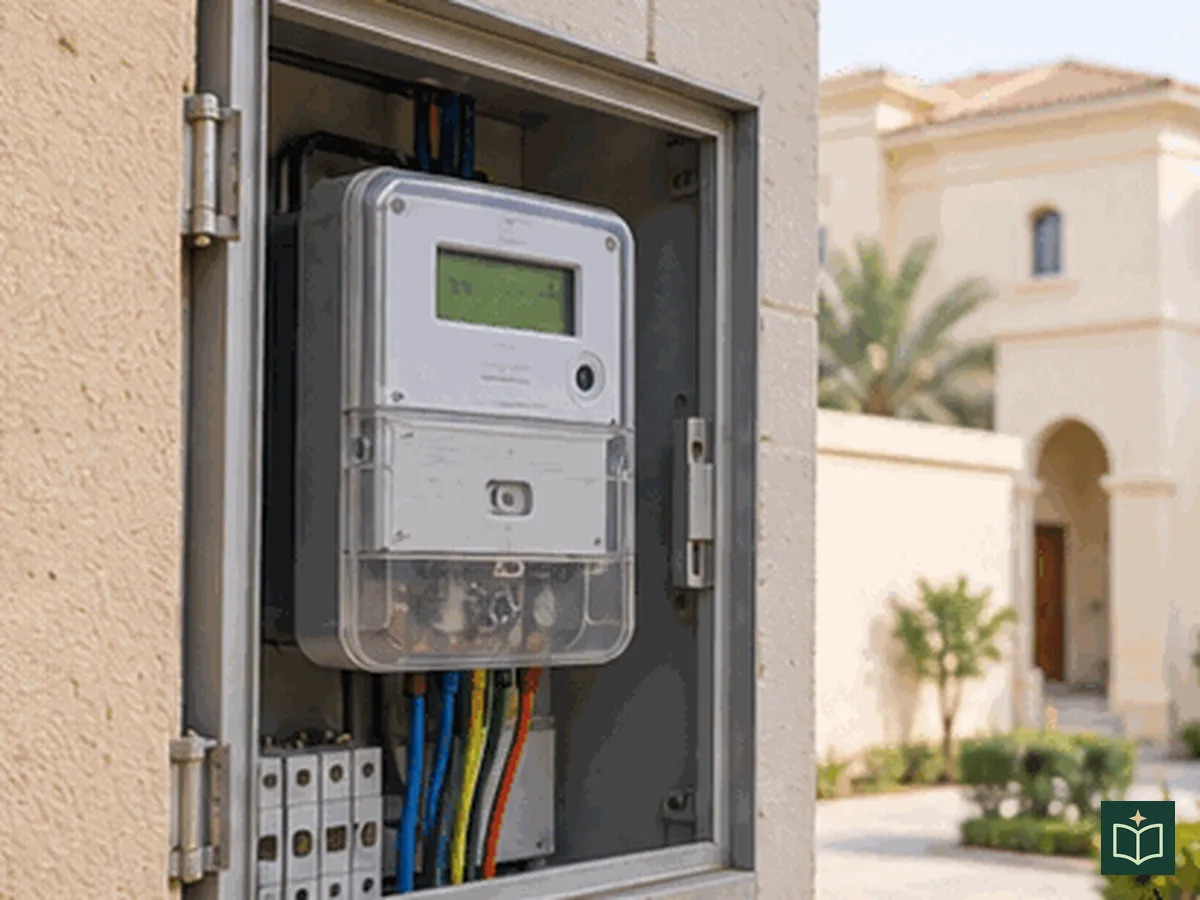
For most of the 20th century, electricity meters were mechanical. A metal disc spun as current flowed, turning dials that someone read once a month or once a quarter. Bills were often estimated in between. A smart meter replaces that disc with electronics. Sensors measure voltage and current many times a second, a chip calculates the energy used, and the meter stores the result for each short interval, typically 15, 30 or 60 minutes. Crucially, it can also communicate. Readings are sent automatically to the utility, and instructions can travel back. That two-way link, rather than the measurement alone, is what makes the meter smart.
How the data travels
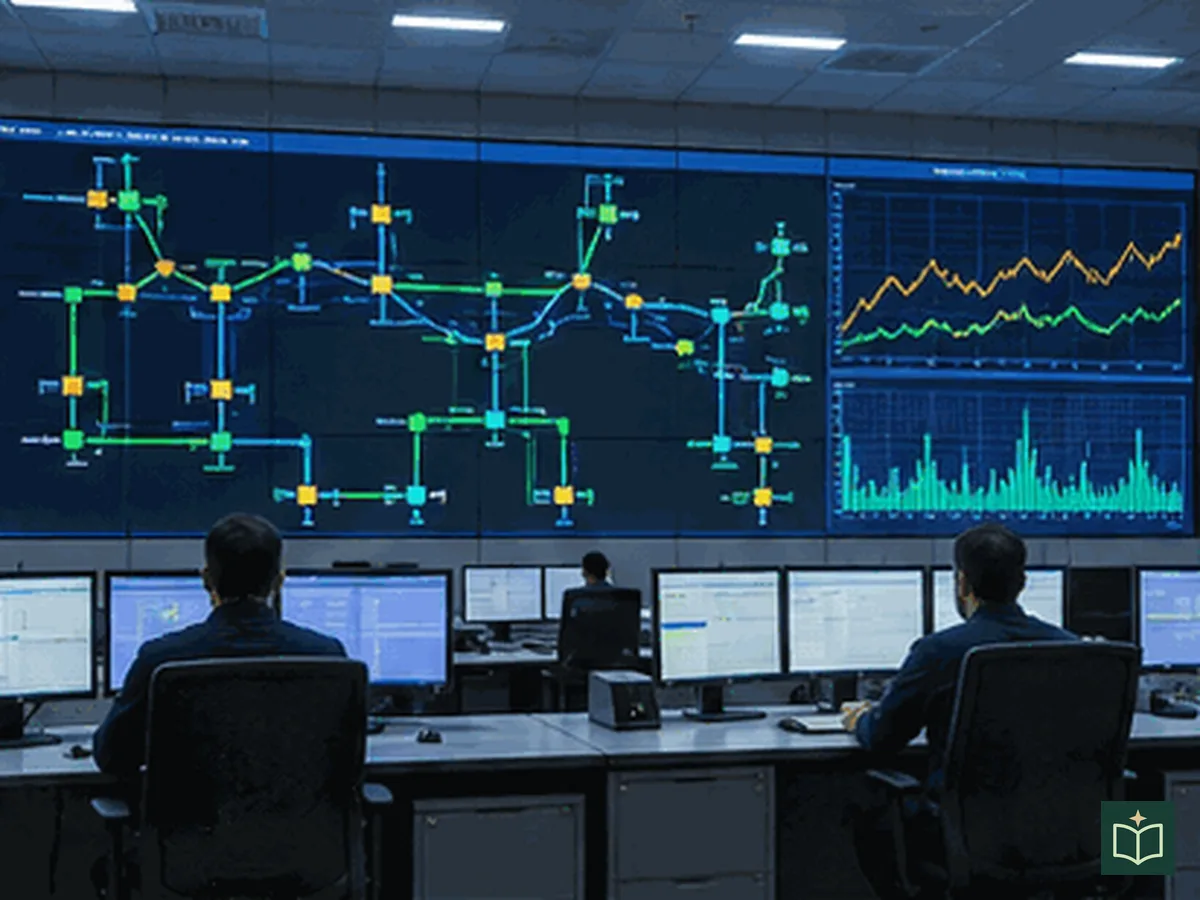
Smart meters use several kinds of network. Some send data over the mobile phone system, like a phone with a tiny data plan. Others form a radio mesh, in which each meter relays its neighbours' messages until they reach a collection point. Some send signals along the power lines themselves. The data arrives at a head-end system, which manages communication, and then at a meter data management system, which checks for gaps, stores readings and passes them to billing and network teams. Readings are usually encrypted in transit. Dubai's utility, DEWA, has rolled out smart electricity and water meters across its network, with consumption shown in its customer app.
A flood of readings
The shift in data is dramatic. A meter read once a month produces 12 readings a year. A smart meter recording every 30 minutes produces 48 readings a day, or 17,520 a year, and a 15-minute meter produces 96 a day. Multiply that by a city's homes and businesses and utilities handle billions of records. That detail shows when electricity is used, not just how much. A household can see the jump when air conditioning starts in the afternoon, or the steady overnight draw of devices left on standby. Utilities can see which neighbourhoods peak at which hours, helping them plan cables, substations and maintenance more precisely than averages allow.
What it makes possible
Several benefits follow. Bills are based on actual readings rather than estimates, and meter readers no longer need to visit. When a supply fails, many meters send a final 'last gasp' message as power drops, so the utility can locate outages quickly, sometimes before customers call. Supply can be connected or disconnected remotely when people move home. Interval data also enables time-of-use tariffs, which charge more at busy hours and less at quiet ones, encouraging people to shift flexible tasks such as charging an electric car or running a dishwasher. For grids adding rooftop solar, smart meters can measure power flowing both into and out of a home.
What it does not do
A smart meter is a measuring and messaging device, not an energy-saving machine. It does not switch off appliances, improve insulation or make an air conditioner more efficient. Savings come only if people or automated systems respond to the information, for example by adjusting thermostats or shifting use to cheaper hours. Studies of smart meter roll-outs have generally found modest savings from feedback alone, larger where tariffs reward change. The meter also does not see individual appliances directly; it records the whole home's total, although software can sometimes infer the signature of large loads. Smart meters are also distinct from smart thermostats or plugs, which control equipment.
Privacy and the bigger picture
Detailed data raises fair questions. A minute-by-minute record could reveal when a home is empty or when its occupants wake and sleep. For that reason, many regulators limit how finely utilities may collect data, who may access it and for how long it is kept, and require strong encryption. The larger role of smart meters is as the edge of a smarter grid. As more electricity comes from solar and wind, and more demand comes from electric cars and heat pumps, operators need to know what is happening at street level. Meters that report back are one of the first, and cheapest, ways to provide that view.
Sources & further reading
Figures are rounded and widely published; check the linked organisations for the latest editions. These organisations do not endorse this website.