Anatomy of a hiccup
Most of the time breathing is smooth and rhythmic. The diaphragm, a dome-shaped sheet of muscle beneath the lungs, contracts and flattens to draw air in, then relaxes to let it out. A hiccup interrupts this rhythm. The diaphragm, often along with muscles between the ribs, suddenly contracts on its own, pulling a quick gasp of air towards the lungs. Within roughly a thirtieth of a second, the glottis, the opening between the vocal cords, snaps shut. The inrushing air hits the closed cords and produces the familiar 'hic'. Doctors call the event singultus, from a Latin word for catching one's breath while sobbing.
The reflex behind it
Hiccups are a reflex, controlled by a circuit rather than by choice. Signals travel along nerves including the vagus and phrenic nerves, which serve the throat, chest, stomach and diaphragm, to a control centre in the brainstem, which then sends the command to contract. Anything that irritates part of this circuit can set it off. Once a bout begins, hiccups typically repeat at a fairly steady rate, often somewhere between a few and several dozen per minute, before stopping on their own within minutes or hours. The steady rhythm is one reason researchers think a small group of nerve cells acts as a pattern generator that, once triggered, runs for a while.
Common triggers
Most bouts follow something that stretches or irritates the stomach or oesophagus. Eating a large meal quickly, gulping fizzy drinks, swallowing air while chewing gum or drinking alcohol are frequent culprits. Sudden changes in temperature, such as a very hot drink followed by a cold one, can also trigger them, as can excitement, laughter or stress. Spicy food sometimes plays a part. Because the stomach sits directly below the diaphragm and shares nerve connections with it, a distended stomach is a particularly common cause. In many cases, however, hiccups start with no obvious trigger at all, and they end just as mysteriously.
Why we have them
Hiccups seem to serve no useful purpose in adults, which has made them an evolutionary puzzle. They begin very early in life: ultrasound shows fetuses hiccupping in the womb, and newborn babies hiccup frequently. One hypothesis links the reflex to our distant ancestry. Tadpoles and some air-breathing fish pump water over their gills while closing the opening to the lungs, a movement that resembles a hiccup, so the human reflex could be a leftover circuit. Another idea suggests that hiccups help suckling infants expel air swallowed with milk. Neither explanation has been proven, and it is possible that the reflex has several roles or none in adults.
Do the cures work?
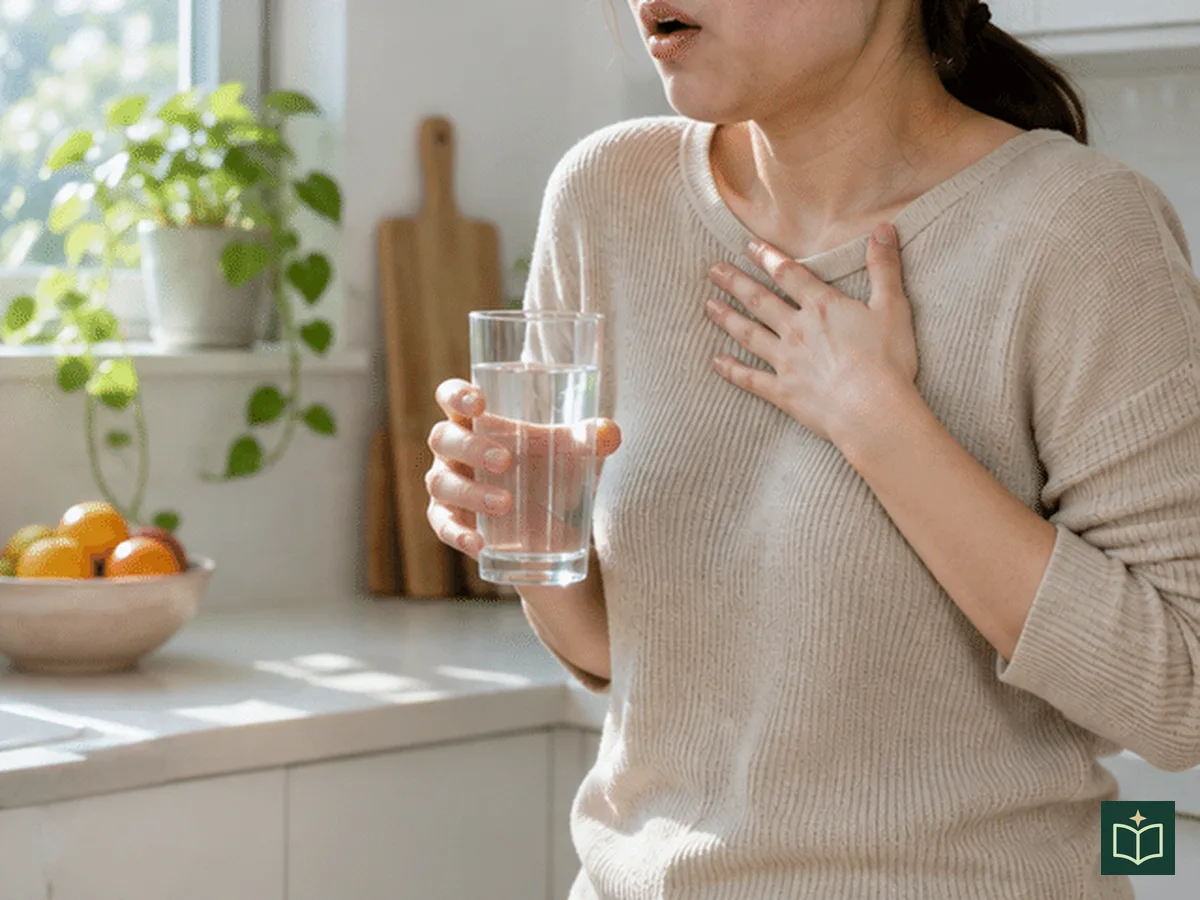
Popular remedies are numerous: holding your breath, drinking a glass of cold water quickly, swallowing a spoonful of sugar, breathing into a paper bag, pulling on the tongue or being startled. Some have a plausible basis, because they either raise the level of carbon dioxide in the blood, which seems to dampen the reflex, or stimulate the vagus nerve and so interrupt the circuit. Good scientific trials are scarce, however, and since most bouts stop on their own, it is hard to know whether a remedy worked or simply coincided with the end. Breathing into a paper bag should be done briefly and is not suitable for people with heart or lung conditions.
When to seek help
Ordinary hiccups are harmless. The best-known extreme case is Charles Osborne, an American farmer recognised by Guinness World Records for hiccupping almost continuously for about 68 years, from 1922 to 1990. Such cases are very rare. Hiccups lasting more than about 48 hours are classed as persistent and can occasionally signal an underlying problem, such as acid reflux, irritation of the nerves serving the diaphragm, effects of certain medicines or, rarely, disorders of the brain or metabolism. Anyone whose hiccups last that long, interfere with eating, sleeping or breathing, or come with other symptoms should see a doctor, who can look for a cause and offer treatment.
Sources & further reading
Figures are rounded and widely published; check the linked organisations for the latest editions. These organisations do not endorse this website.