An essential molecule
Cholesterol has a poor reputation, but the body cannot live without it. This waxy, fat-like substance is a building block of every cell membrane, where it helps keep the membrane flexible yet stable. It is also the raw material for steroid hormones, including cortisol, oestrogen and testosterone, for the bile acids that help digest fat, and for vitamin D. The liver makes most of the cholesterol in the body, and other cells can make some too; food from animals, such as eggs, meat and dairy, supplies the rest. Plants contain almost none. The problem is not cholesterol itself but having too much of it in the wrong place.
Why it needs a carrier
Blood is mostly water, and cholesterol, like oil, does not dissolve in water. To move it around, the body packages cholesterol and other fats into tiny particles called lipoproteins. Each has a core of fat and cholesterol and a shell of proteins and water-friendly molecules that let it float in the bloodstream. Lipoproteins are classified by density: the more fat they carry relative to protein, the lighter they are. The main types, from lightest to densest, are chylomicrons, which carry fat from digested food; very low-density lipoproteins, which carry fat made in the liver; low-density lipoproteins, or LDL; and high-density lipoproteins, or HDL.
LDL and HDL
LDL particles act as delivery vehicles, taking cholesterol from the liver to cells that need it. Cells take in LDL through receptors on their surface, a mechanism discovered by Michael Brown and Joseph Goldstein, who received the Nobel Prize in 1985. When there is more LDL in the blood than cells need, particles can slip into the walls of arteries, where they are trapped, altered and attract immune cells. Over years this builds fatty deposits called plaques, a process known as atherosclerosis. HDL particles work in roughly the opposite direction, picking up surplus cholesterol from tissues and returning it to the liver for disposal, which is why HDL is often called good cholesterol.
Reading the numbers
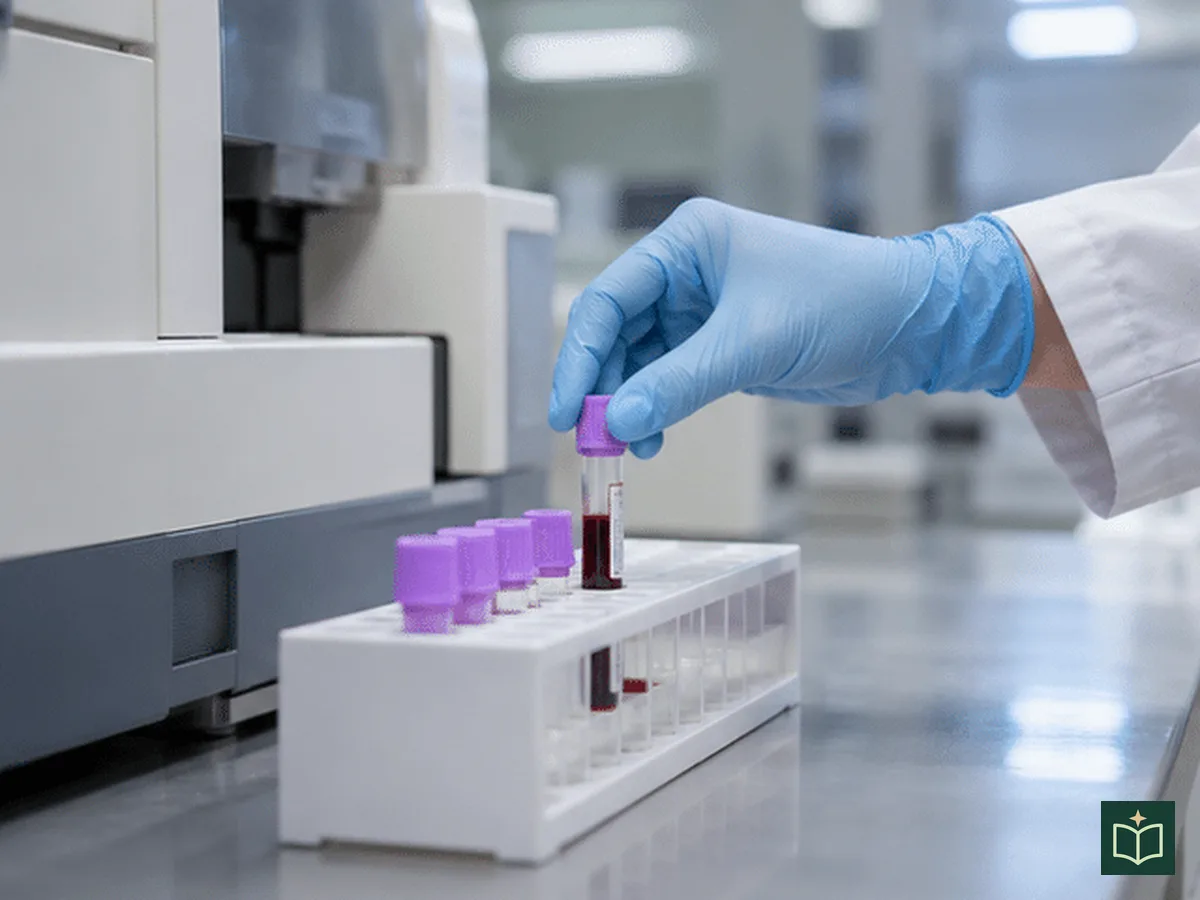
A standard blood test, or lipid profile, reports total cholesterol, LDL, HDL and triglycerides, another type of blood fat. In the UAE, the UK and many other countries results are given in millimoles per litre; in the US, in milligrams per decilitre. To convert, multiply by about 38.67, so 5.0 mmol/L equals roughly 193 mg/dL. As a general guide, many health services have treated a total cholesterol below about 5 mmol/L in healthy adults as desirable, but targets for LDL depend on a person's overall risk of heart disease, and doctors may aim much lower for people with diabetes or existing heart problems. Results should always be interpreted with a doctor.
What raises and lowers it
Levels depend on genes and lifestyle together. For most people, saturated fats, found in fatty meat, butter, ghee and some processed foods, raise LDL more than cholesterol eaten directly in food. Regular exercise, a healthy weight, and diets rich in vegetables, whole grains, pulses, nuts and unsaturated oils tend to improve the balance. Some people inherit familial hypercholesterolaemia, which affects roughly one person in 250 and causes very high LDL from childhood because LDL receptors work poorly. Medicines called statins lower LDL by slowing cholesterol production in the liver, prompting it to pull more LDL out of the blood; other drugs work in different ways.
Why it matters
Heart disease and stroke are among the leading causes of death worldwide, and raised LDL cholesterol is one of their main modifiable risk factors, alongside high blood pressure, smoking and diabetes. Cardiovascular disease is a particular concern in the Gulf, where rates of diabetes and obesity are high. Because high cholesterol causes no symptoms, the only way to know your levels is a blood test, which many health authorities suggest adults have periodically. Research continues to refine the picture: raising HDL with medicines, for example, has not reduced heart attacks as hoped, suggesting HDL's protective role is more complex than its nickname implies. This article is general information, not personal medical advice.
Sources & further reading
Figures are rounded and widely published; check the linked organisations for the latest editions. These organisations do not endorse this website.