A puzzling sound
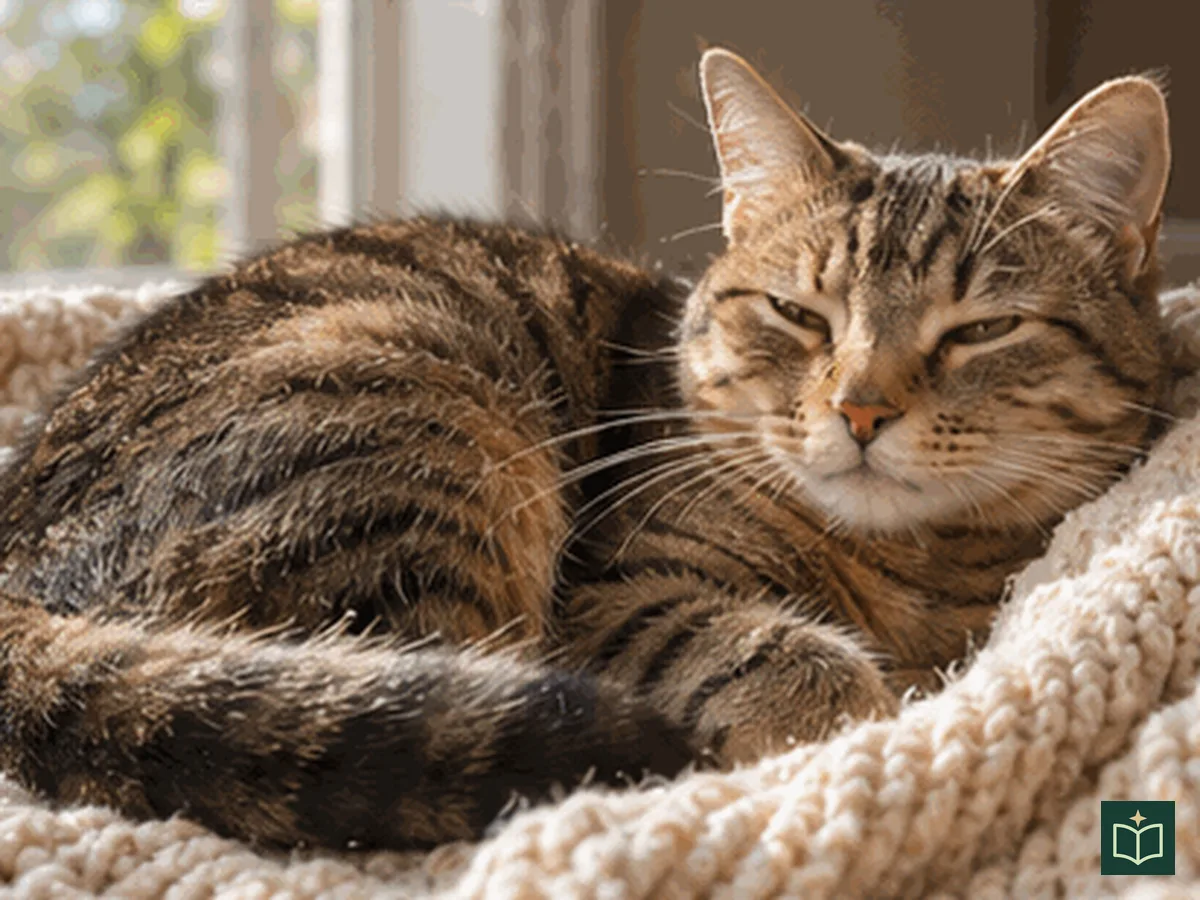
For such a familiar sound, the purr long baffled scientists. Earlier ideas suggested it came from blood surging through a large vein or from vibrations of the diaphragm. Research over recent decades has located the source in the larynx, the voice box at the top of the windpipe. A purr has a low, rumbling pitch, generally between about 25 and 150 vibrations per second, and it carries on almost seamlessly as the cat breathes both in and out. A slight change in tone is often audible at the switch between breaths. Most cats begin purring within days of birth, and kittens purr while nursing, which may help their mother keep track of them.
Muscles in the voice box
The classic explanation is that a rhythmic signal from the brain makes the muscles of the larynx twitch in rapid bursts. Each twitch narrows the gap between the vocal folds, so air passing through is alternately obstructed and released, producing the vibration. Because this happens on both the in-breath and the out-breath, the sound appears continuous. Studies recording muscle activity in purring cats supported this model. A 2023 study added a twist. Researchers found that cat larynges removed after natural death could produce purr-like vibrations when air was blown through them, without any nerve signals, thanks to unusual pads of tissue within the vocal folds.
Low notes from a small animal
That finding helps explain a long-standing puzzle. Producing very low frequencies normally requires large, heavy vocal folds, which is why big animals have deep voices. A cat's vocal folds are small, yet a purr is lower in pitch than many human voices. The connective tissue pads appear to add mass to the folds, letting them vibrate slowly, much as heavier strings produce lower notes on a guitar. The brain probably still controls when purring starts and stops, and muscles may shape it, but the tissue itself is well suited to the task. Scientists continue to study how the nervous system and the anatomy of the larynx work together.
Not just contentment
Cats purr when relaxed, being stroked or kneading a soft surface, which is why the sound is associated with contentment. Yet they also purr in situations that are anything but pleasant: when injured, giving birth, frightened at the vet or even close to death. Researchers therefore often describe purring as a social signal that can mean please continue or please comfort me. A study published in 2009 found that some cats use a solicitation purr when asking for food, mixing in a higher-pitched cry that resembles the frequency of a human infant's cry. People rated these purrs as more urgent and less pleasant, which may make them hard to ignore.
Which cats purr
Not every member of the cat family purrs in the same way. Small cats, including domestic cats, wildcats, lynxes and cheetahs, purr continuously while breathing in and out. Most of the big roaring cats, such as lions and tigers, cannot produce a true continuous purr; their vocal anatomy is specialised for roaring, although they make other soft, rumbling sounds. The Arabian sand cat and the caracal of the region's deserts are among the purring species. Some other animals, including genets, raccoons and guinea pigs, produce purr-like sounds, but the mechanism is not necessarily the same, and the domestic cat remains the best-studied purrer.
Does purring heal?
Claims that purring has healing powers are popular. Some researchers have noted that purr frequencies overlap with vibration frequencies used in therapies that may encourage bone and tissue repair in people, and have suggested that purring might help cats recover from injury or maintain bone strength while resting. This idea is interesting but remains unproven; there is little direct evidence that a purr heals the cat producing it. Research on people suggests that interacting with a calm, purring pet can feel soothing and may reduce stress for some owners. A purr is best read in context: a relaxed body suggests contentment, while a tense or hiding cat may be unwell and need a vet.
Sources & further reading
Figures are rounded and widely published; check the linked organisations for the latest editions. These organisations do not endorse this website.